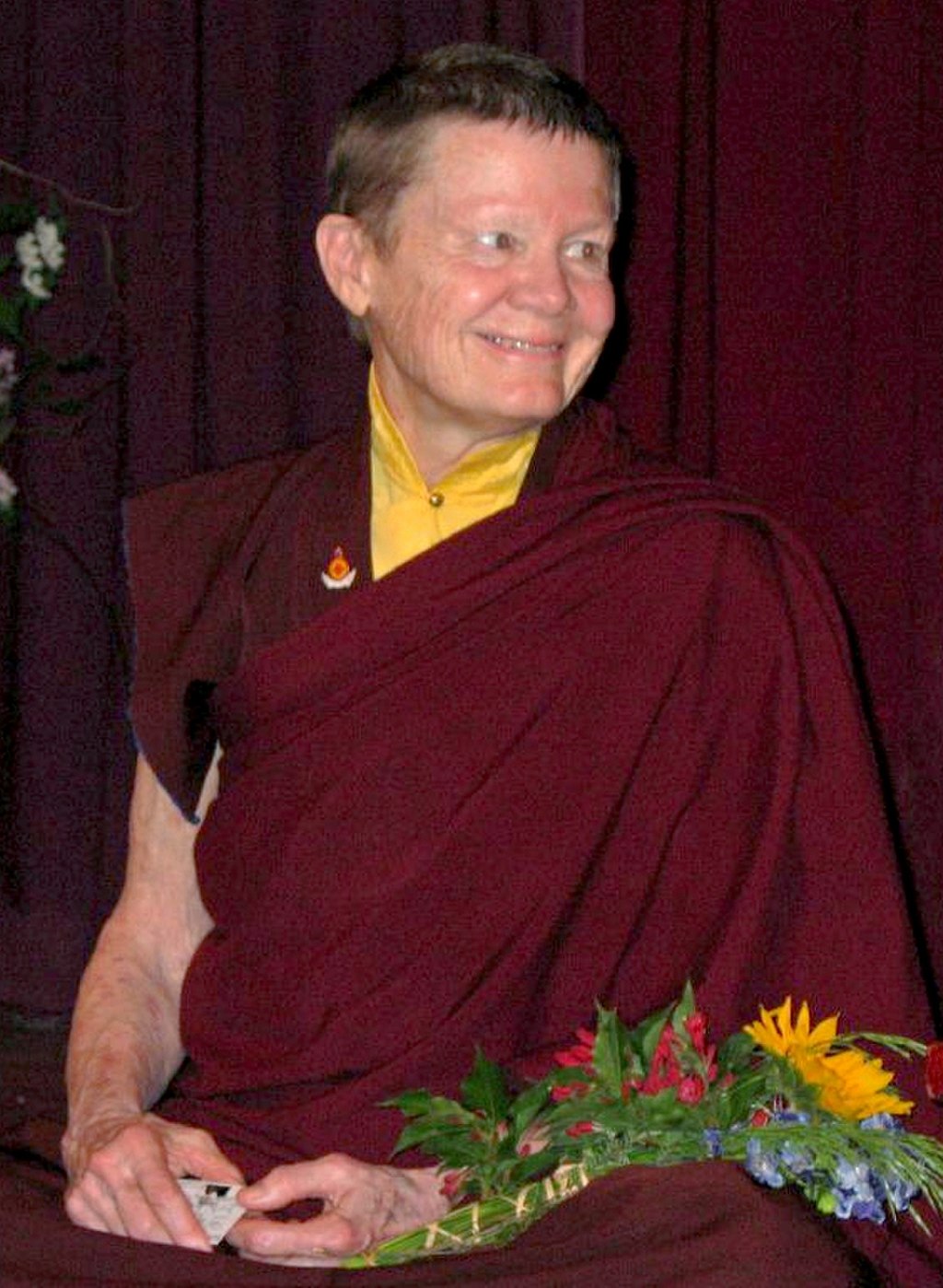
Embracing the Present: The Power of Transformation
Pema Chödrön’s assertion that "Every moment is a chance to turn it all around" invites us to recognize the profound potential inherent in each fleeting second. This statement resonates deeply within the human experience, suggesting that no matter how entrenched we may feel in our circumstances, the opportunity for change is always present. The stakes are high; our ability to embrace this moment can lead to liberation from suffering and a deeper understanding of ourselves and our place in the world.
In a world often characterized by chaos and uncertainty, Chödrön’s words serve as a gentle reminder that transformation is not only possible but also accessible. Each moment presents a unique opportunity to shift our perspective, to let go of past grievances, and to awaken to the richness of the present. This teaching encourages us to cultivate awareness and presence, allowing us to navigate life’s challenges with grace and resilience.
The image / the metaphor
The imagery in Chödrön’s quote evokes a sense of immediacy and possibility. The phrase "turn it all around" suggests a dynamic shift, a pivot from one state of being to another. It conjures feelings of hope and renewal, as if each moment is a blank canvas waiting for our brushstrokes. The verbs chosen—“turn” and “chance”—imply action and opportunity, emphasizing that transformation is not a passive experience but an active engagement with life.
Diving deeper into the metaphor, we can see that this turning is not merely a physical act; it is a spiritual and emotional reorientation. It speaks to the capacity within each of us to change our internal landscape, to alter our perceptions, and to embrace new possibilities. This metaphor of turning invites us to consider the cyclical nature of existence, where every ending is also a beginning, and every moment holds the potential for awakening.
In the speaker's tradition
Pema Chödrön’s teachings are deeply rooted in Tibetan Buddhism, a tradition that emphasizes the importance of mindfulness and the impermanence of all things. Concepts such as dharma—the natural law that governs the universe—and sunyata, or emptiness, play a crucial role in understanding her message. The idea of freedom in Tibetan Buddhism is intricately linked to the realization that our thoughts and emotions are transient, and that liberation comes from recognizing this fluidity and embracing the present moment.
In her book "When Things Fall Apart," Chödrön draws on the teachings of the Buddha, particularly the Four Noble Truths, which outline the nature of suffering and the path to its cessation. The recognition that every moment offers a chance to turn our suffering into wisdom aligns with the Buddhist practice of prajna, or insight. This insight allows us to see beyond our habitual patterns and to awaken to the possibilities that lie within each moment.
Living the teaching
Consider a modern scenario where this teaching might resonate: a person facing a challenging work environment. Perhaps they feel overwhelmed by stress, conflict with colleagues, or dissatisfaction with their role. In such a moment, Chödrön’s teaching reminds them that they have the power to shift their perspective. By choosing to approach their situation with openness and curiosity, they can transform their experience, finding new ways to engage with their work and relationships.
Another application of this teaching can be found in personal relationships, particularly during moments of conflict. Imagine a disagreement with a loved one that feels insurmountable. Chödrön’s wisdom encourages us to pause and recognize that this moment is an opportunity for growth and understanding. By choosing to listen deeply and respond with compassion, we can turn the tide of the conversation, fostering connection rather than division. This practice of presence can lead to deeper intimacy and healing.
A reflection
As we contemplate Chödrön’s assertion that "Every moment is a chance to turn it all around," we are invited to reflect on our own lives. What areas feel stagnant or challenging? How might we embrace the present moment as an opportunity for transformation? In this spirit of inquiry, consider this question: What would it look like to fully inhabit this moment, allowing it to guide you toward a new understanding of yourself and your circumstances?




Join the BrightStar Community
Stay connected with daily inspiration, event announcements, and community wisdom