The Transformative Power of Embracing What We Resist
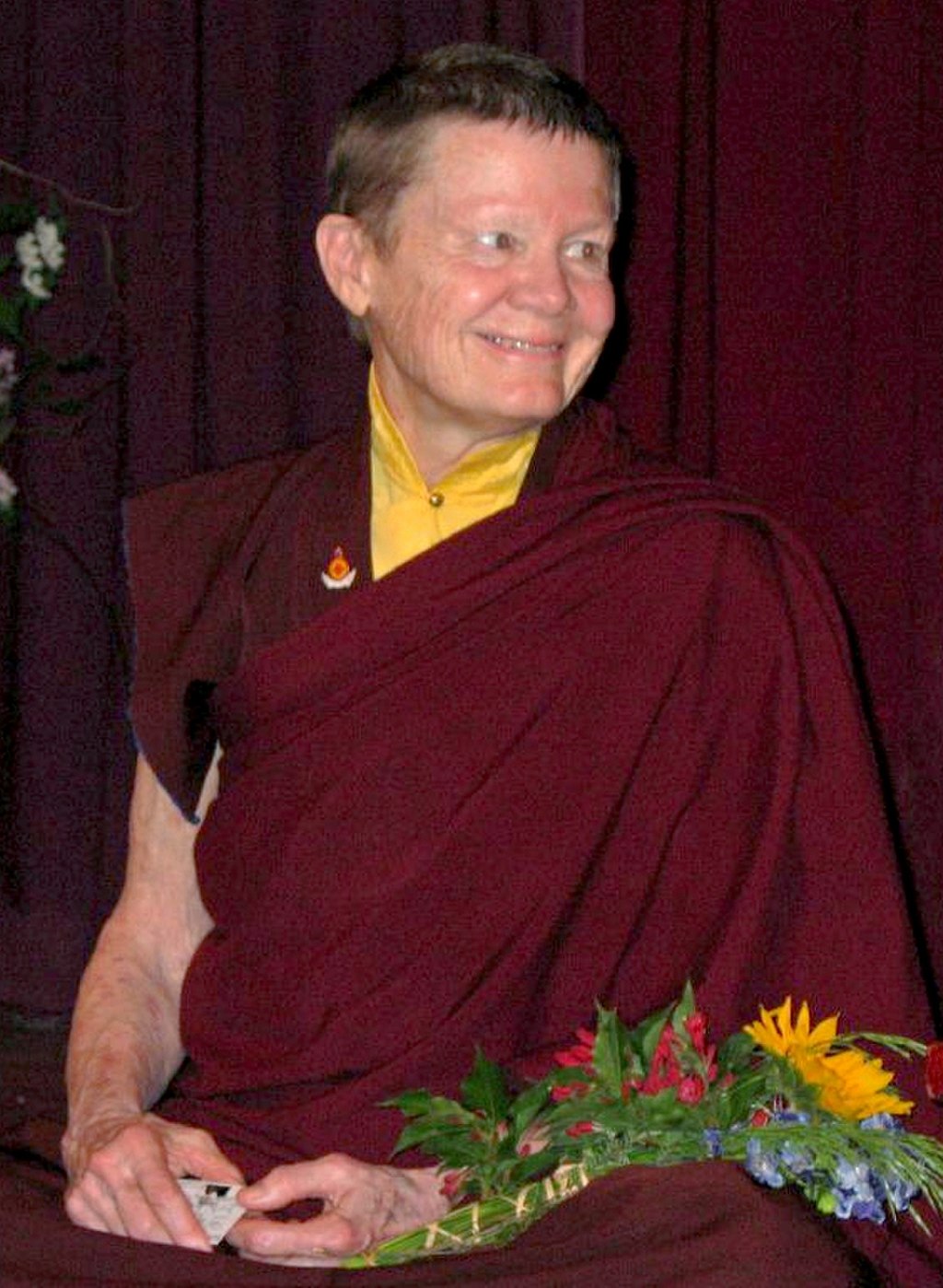
Pema Chödrön's profound insight, "What we resist persists; what we befriend transforms," invites us to reconsider our relationship with discomfort and adversity. At its core, this quote suggests that our attempts to avoid or suppress challenging emotions and experiences only serve to amplify their presence in our lives. By shifting our perspective from resistance to acceptance, we open ourselves to the possibility of transformation and healing. This teaching holds significant implications for our mental and emotional well-being, urging us to cultivate a more compassionate and understanding relationship with our inner struggles.
In a world that often encourages us to flee from pain, Chödrön's words resonate deeply, reminding us that true freedom lies not in avoidance but in engagement. The act of befriending our difficulties allows us to explore the depths of our experiences, fostering a sense of peace and surrender. This approach is not merely about passive acceptance; it is an active process of embracing our vulnerabilities and recognizing them as integral parts of our human journey. By doing so, we can transform our relationship with suffering and, in turn, with ourselves.
The image / the metaphor
The imagery in Chödrön's quote evokes a dynamic interplay between resistance and acceptance. The verb "resist" conjures feelings of struggle, tension, and an unwillingness to confront the realities of our lives. In contrast, "befriend" suggests a gentle, nurturing approach, one that invites curiosity and compassion into our interactions with our inner turmoil. This juxtaposition highlights the emotional landscape we navigate when faced with discomfort, illustrating how our responses can either entrap us or set us free.
Diving deeper into the metaphor, we can envision resistance as a heavy weight that we carry, one that grows heavier the more we try to ignore it. Conversely, befriending our challenges is akin to shedding that weight, allowing us to move more freely and authentically. This transformative process requires courage and vulnerability, as it asks us to confront our fears and insecurities rather than hide from them. In this way, Chödrön's teaching serves as a powerful reminder that true transformation often arises from the very experiences we seek to evade.
In the speaker's tradition
Pema Chödrön's teachings are deeply rooted in the principles of Tibetan Buddhism, where the concepts of dharma and sunyata (emptiness) play pivotal roles. The notion of dharma encourages us to engage with our experiences as they arise, recognizing them as opportunities for growth and understanding. Sunyata, or the emptiness of inherent existence, invites us to see that our struggles are not fixed but rather fluid and subject to change. By embracing these teachings, we can cultivate a mindset that fosters resilience and adaptability in the face of life's challenges.
A relevant text that echoes this sentiment is the Heart Sutra, which emphasizes the interconnectedness of all phenomena and the importance of embracing impermanence. The sutra teaches that by letting go of our attachments and preconceived notions, we can experience a profound sense of liberation. Chödrön's quote aligns beautifully with this understanding, as it encourages us to release our grip on resistance and instead cultivate a relationship of friendship with our experiences, ultimately leading to transformation and peace.
Living the teaching
Consider a modern scenario where this teaching can be applied: a person grappling with anxiety about an upcoming presentation. In their attempts to resist the anxiety, they may find themselves spiraling into a cycle of worry and self-doubt. However, if they choose to befriend their anxiety—acknowledging it as a natural response rather than an enemy—they can begin to explore its roots and understand its message. This shift in perspective allows them to approach the presentation with greater clarity and confidence, transforming their anxiety into a source of motivation rather than a hindrance.
Another application of this teaching can be found in interpersonal relationships. Imagine a couple facing recurring conflicts that seem insurmountable. If they resist addressing the underlying issues, the tension will likely persist, creating a rift between them. However, if they choose to befriend their difficulties—approaching them with openness and curiosity—they can engage in meaningful conversations that foster understanding and connection. This process of befriending their challenges can lead to a deeper bond and a more harmonious relationship, illustrating the transformative power of acceptance.
A reflection
As we contemplate Chödrön's quote, we are invited to reflect on our own lives: What are the experiences or emotions that we resist? In what ways might we begin to befriend these aspects of ourselves, allowing them to transform our understanding and experience of life? This inquiry encourages us to cultivate a sense of openness and curiosity, recognizing that our struggles can serve as gateways to deeper self-awareness and growth. By embracing this practice, we can embark on a journey toward greater peace and freedom.




Join the BrightStar Community
Stay connected with daily inspiration, event announcements, and community wisdom