The Sky Within: Embracing the Weather of Our Lives
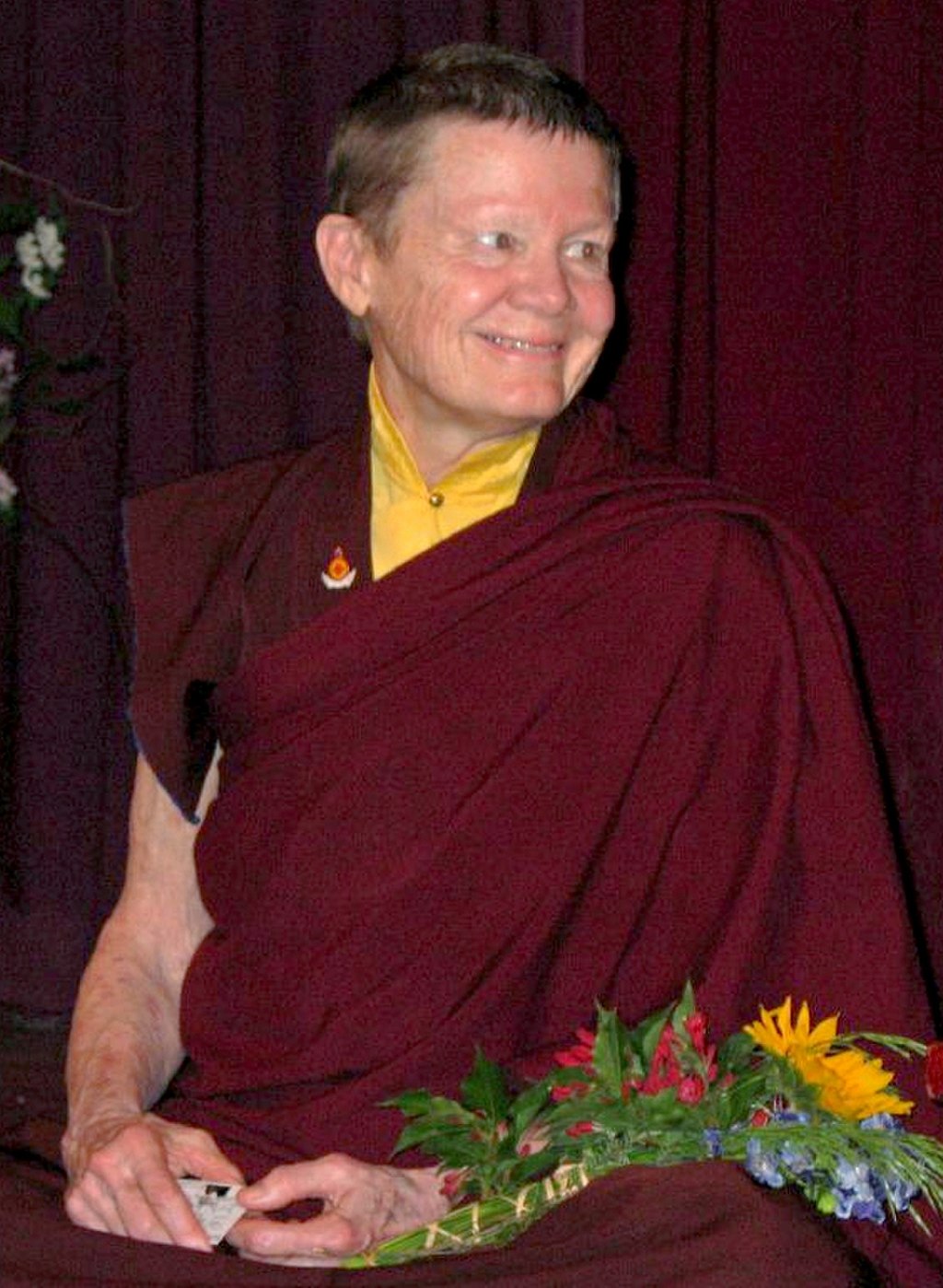
Pema Chödrön's poignant assertion, "You are the sky. Everything else is just weather," invites us to recognize the vastness of our true nature amidst the transient storms of life. This metaphor speaks to the essence of our being, suggesting that our consciousness is an expansive sky, while our thoughts, emotions, and experiences are merely the ever-changing weather patterns that pass through it. Understanding this distinction is crucial for cultivating inner peace and resilience, especially in a world rife with uncertainty and turmoil.
In a time when many feel overwhelmed by the chaos of daily existence, Chödrön's words serve as a gentle reminder of the stability inherent in our true selves. The sky, unperturbed by the fluctuations of weather, symbolizes a state of awareness that transcends the ups and downs of life. By embracing this perspective, we can learn to navigate our experiences with greater equanimity, recognizing that while storms may come and go, the sky remains constant and unchanging. This understanding is not merely philosophical; it is a practical guide for awakening to the deeper layers of our consciousness.
The image / the metaphor
The imagery of sky and weather evokes a profound sense of duality, where the sky represents our fundamental consciousness—vast, open, and unbounded—while the weather signifies the myriad thoughts and feelings that arise within it. The choice of the word "weather" suggests a natural, impermanent quality to our emotional states, emphasizing that they are not fixed but rather fleeting phenomena. This distinction invites us to observe our experiences without attachment, allowing us to witness the passing storms without being swept away by them.
Diving deeper into this metaphor, we can appreciate the inherent wisdom in recognizing that our true nature is not defined by the weather that unfolds. Just as the sky remains unchanged despite the rain, sunshine, or storms, our essential self remains untouched by the fluctuations of our mental and emotional landscapes. This understanding fosters a sense of liberation, as we learn to detach from the transient nature of our thoughts and feelings, cultivating a more profound sense of peace and stability within.
In the speaker's tradition
Pema Chödrön's teachings are deeply rooted in Tibetan Buddhism, where concepts such as dharma and sunyata (emptiness) illuminate the nature of existence. The notion of sunyata encourages us to recognize the impermanence of all phenomena, including our thoughts and emotions, thus aligning beautifully with the metaphor of sky and weather. In this context, the sky represents the spaciousness of awareness, while the weather embodies the transient experiences that arise within that awareness, reinforcing the idea that our true nature is unconditioned and free.
Chödrön often draws upon the teachings of the Buddha, particularly the Four Noble Truths, which guide practitioners toward understanding the nature of suffering and the path to liberation. The recognition that our thoughts and feelings are like weather patterns aligns with the Buddha's insight into the nature of suffering: that attachment to these fleeting experiences leads to distress. By cultivating awareness of our true nature as the sky, we can begin to navigate the storms of life with wisdom and compassion, embodying the essence of the dharma.
Living the teaching
Consider a modern scenario where this teaching resonates: a challenging day at work filled with stress and conflict. In such moments, it is easy to become engulfed by the emotional weather—frustration, anxiety, or overwhelm. However, by recalling Chödrön's metaphor, one can consciously step back and recognize that these feelings are temporary, like passing clouds. This shift in perspective allows for a more grounded response, enabling one to engage with the situation from a place of clarity rather than reactivity.
Another application of this teaching can be found in personal relationships, particularly during conflicts. When disagreements arise, it is common to become entangled in the emotional turbulence of anger or hurt. By remembering that these feelings are akin to weather, one can cultivate a sense of spaciousness, allowing for a more compassionate dialogue. This practice not only fosters understanding but also nurtures a deeper connection, as both parties learn to navigate the storm together, recognizing that their true selves remain intact beneath the surface fluctuations.
A reflection
As we reflect on Pema Chödrön's profound insight, we are invited to consider: How can I cultivate a sense of spaciousness within myself amidst the storms of my life? This contemplative question encourages us to explore the ways in which we can embody the sky, embracing our true nature while allowing the weather of our experiences to pass through us. In this inquiry, we may discover the transformative power of awareness, leading us toward greater peace and awakening.




Join the BrightStar Community
Stay connected with daily inspiration, event announcements, and community wisdom