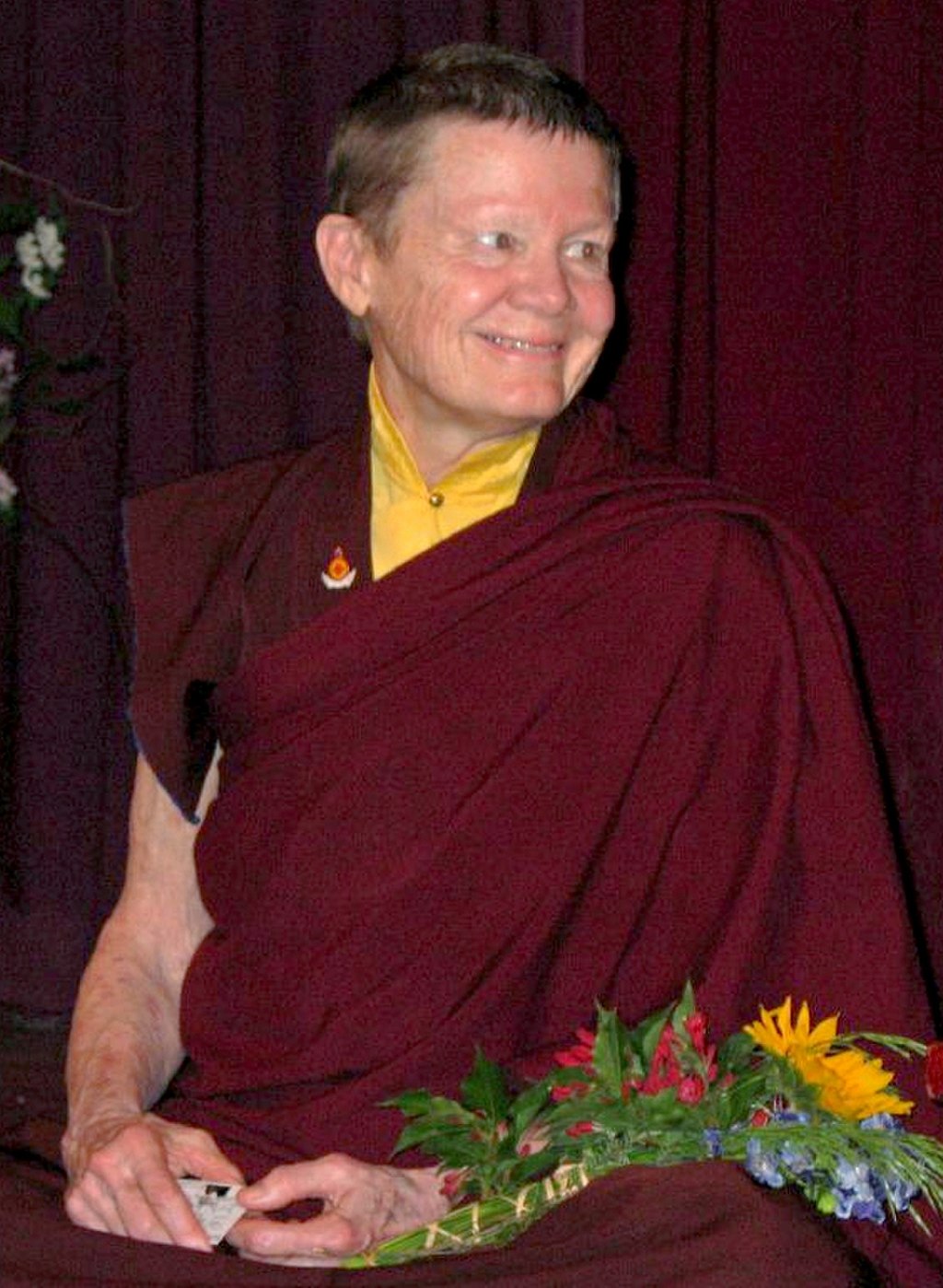
Embracing the Sky Within: The Wisdom of Pema Chödrön
Pema Chödrön's profound assertion, "You are the sky. Everything else is just the weather," invites us to explore the essence of our identity and the nature of our experiences. In this metaphor, the sky represents our true self—vast, unchanging, and inherently peaceful—while the weather symbolizes the transient emotions and thoughts that come and go. Understanding this distinction is crucial; it allows us to cultivate a sense of inner peace amidst the chaos of life. Recognizing ourselves as the sky can transform our relationship with our thoughts and feelings, leading to a deeper awareness of our true nature.
This teaching matters because it challenges the common tendency to identify with our fluctuating emotions and external circumstances. In a world that often feels overwhelming, where stress and anxiety can cloud our perception, Chödrön's words remind us of the stability that lies within. By embracing the idea that we are the sky, we can learn to observe the weather of our thoughts and feelings without becoming entangled in them. This perspective fosters resilience and compassion, both for ourselves and others, as we navigate the complexities of existence.
The image / the metaphor
The imagery of sky and weather evokes a powerful sense of contrast. The sky, expansive and eternal, represents our fundamental nature—an unconditioned awareness that is always present. In contrast, the weather is ever-changing, filled with storms, sunshine, clouds, and rain, symbolizing the myriad of emotions and experiences we encounter daily. The verbs chosen in this metaphor—"are" and "is"—suggest a state of being rather than doing, inviting us to recognize that our essence is not defined by our circumstances but rather by the vastness of our awareness.
Diving deeper into this metaphor, we can appreciate how the sky remains unaffected by the weather. No matter how turbulent the storms may be, the sky remains constant, a reminder that our true self is not diminished by the challenges we face. This understanding encourages us to cultivate a sense of detachment from our thoughts and emotions, allowing us to observe them without judgment. By doing so, we can create a space of acceptance and compassion, both for ourselves and for others who may be experiencing their own storms.
In the speaker's tradition
Pema Chödrön's teachings are deeply rooted in the Buddhist tradition, which emphasizes the importance of awareness and the nature of suffering. Concepts such as *sunyata* (emptiness) and *prajna* (wisdom) resonate with the idea that our true nature is not confined to our thoughts or emotions. Instead, they encourage us to recognize the impermanence of our experiences and the interconnectedness of all beings. By understanding that our thoughts are like passing clouds, we can cultivate a sense of spaciousness and clarity, allowing us to respond to life with greater wisdom and compassion.
Living the teaching
Consider a modern scenario where this teaching can be applied: imagine a day filled with stress at work, where deadlines loom and tensions rise. In such moments, it is easy to become overwhelmed by the "weather" of anxiety and frustration. However, by remembering that we are the sky, we can take a step back and observe these feelings without becoming consumed by them. This practice of mindfulness allows us to create a buffer between our true selves and the chaos of our external circumstances, enabling us to respond with clarity rather than reactivity.
In relationships, this teaching can also provide profound insights. When conflicts arise, it is common to identify with our emotions—anger, hurt, or disappointment. By embracing the notion that we are the sky, we can approach these moments with a sense of spaciousness, allowing us to listen and respond with empathy rather than defensiveness. This shift in perspective fosters deeper connections and understanding, transforming our interactions into opportunities for growth and healing.
A reflection
As we contemplate Pema Chödrön's wisdom, we are invited to explore the nature of our own awareness. How often do we find ourselves caught in the storms of our emotions, forgetting the vastness of our true selves? In moments of turbulence, we can ask ourselves: "Am I identifying with the weather, or can I return to the sky within?" This question encourages us to cultivate a deeper awareness of our experiences, guiding us back to the peace that resides at the core of our being.




Join the BrightStar Community
Stay connected with daily inspiration, event announcements, and community wisdom