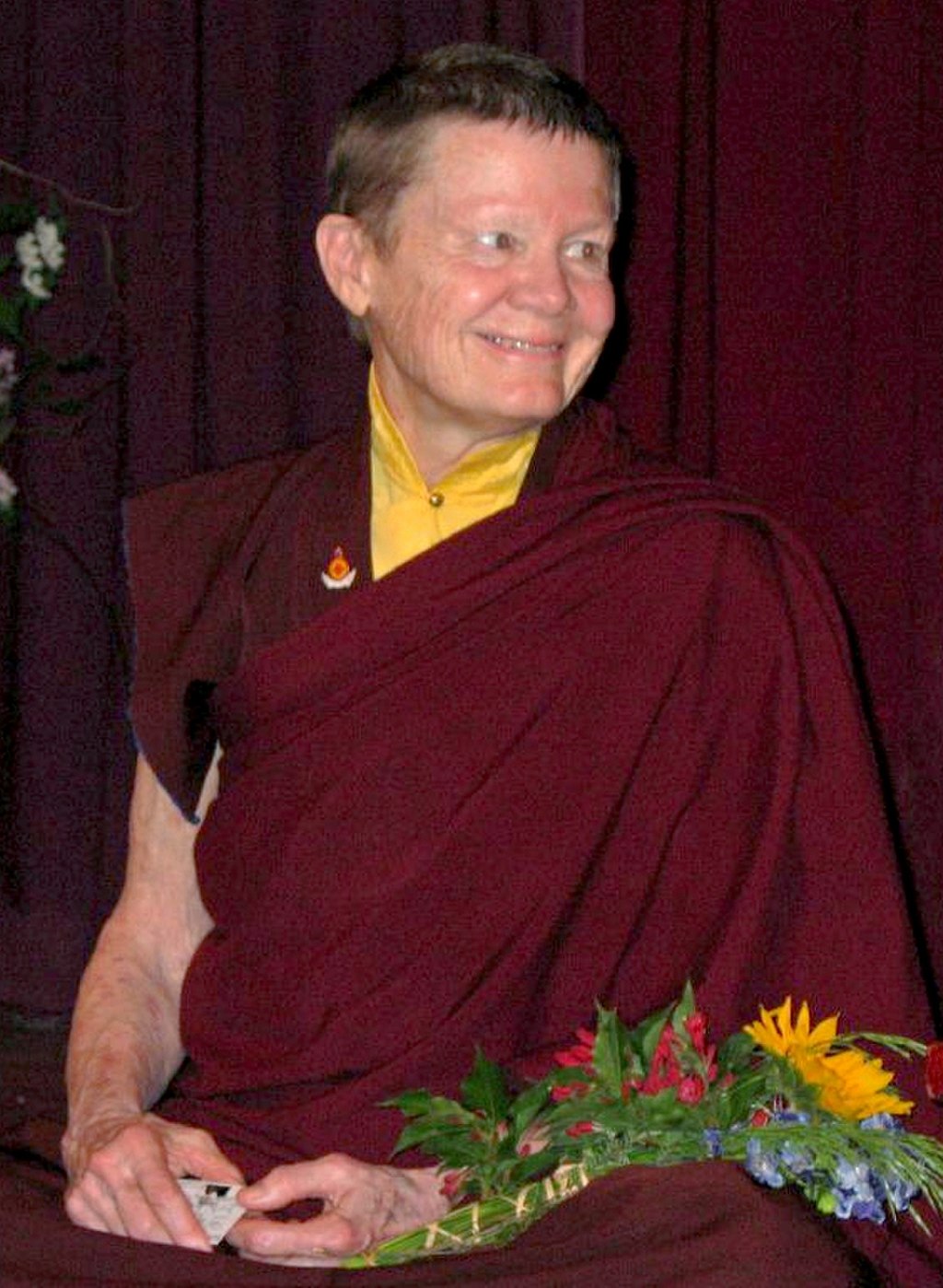
The Power of Acceptance: Unraveling Resistance
Pema Chödrön’s assertion that "Resistance to unwanted circumstances has the power to keep those circumstances alive and well" invites us to reconsider our relationship with discomfort and adversity. In a world often driven by the desire for control and predictability, this quote serves as a poignant reminder that our struggles against what we cannot change may inadvertently perpetuate our suffering. The stakes are high: by clinging to resistance, we may find ourselves trapped in a cycle of negativity, unable to embrace the transformative potential of acceptance.
Chödrön's wisdom resonates deeply in our contemporary lives, where the pressures of daily existence can lead us to resist the very experiences that challenge us. This resistance often manifests as anxiety, frustration, or even despair, creating a barrier to personal growth and understanding. By exploring the implications of her words, we can begin to unravel the layers of our own resistance and discover the liberating power of acceptance, which allows us to navigate life’s inevitable uncertainties with grace and resilience.
The image / the metaphor
The imagery in Chödrön's quote evokes a sense of struggle, as if we are grappling with a persistent shadow that refuses to dissipate. The verbs "resistance" and "keep alive" suggest an active engagement with our unwanted circumstances, highlighting the paradox that our attempts to push away discomfort may actually reinforce its presence. This dynamic creates a felt sense of entrapment, where the very act of resisting becomes a source of suffering, rather than a pathway to liberation.
Diving deeper into the metaphor, we can envision resistance as a tightly clenched fist, holding on to the very things we wish to escape. In contrast, acceptance can be likened to an open hand, allowing experiences to flow through us without attachment. This shift from resistance to acceptance not only alters our internal landscape but also transforms our external reality, enabling us to engage with life more fully and authentically.
In the speaker's tradition
Pema Chödrön's teachings are deeply rooted in the Buddhist tradition, which emphasizes the importance of acceptance and the nature of suffering. Concepts such as dharma, the path of truth, and sunyata, or emptiness, are central to understanding how resistance can perpetuate our struggles. In Buddhism, the recognition of impermanence and the interconnectedness of all things invites us to let go of our attachments and embrace the fluidity of life, allowing us to cultivate a sense of peace amidst chaos.
In her book "When Things Fall Apart," Chödrön draws upon the teachings of the Buddha, particularly the Four Noble Truths, which outline the nature of suffering and the path to its cessation. By acknowledging that suffering arises from our attachments and desires, we can begin to see how resistance to unwanted circumstances only serves to deepen our pain. This understanding encourages us to cultivate prajna, or wisdom, which allows us to navigate our experiences with clarity and compassion.
Living the teaching
Consider a modern scenario where this teaching resonates: a person facing job loss may initially resist the situation, clinging to the past and fearing the uncertainty of the future. This resistance can manifest as anxiety, leading to a cycle of negative thoughts that only exacerbate their distress. However, if this individual were to embrace acceptance, they might find the space to explore new opportunities, develop resilience, and ultimately discover a path that aligns more closely with their true self.
In the context of relationships, resistance can also play a significant role. Imagine a couple experiencing conflict; one partner may resist acknowledging their feelings, fearing vulnerability or rejection. This resistance can create a chasm between them, perpetuating misunderstandings and resentment. By practicing acceptance and open communication, they can bridge this gap, fostering a deeper connection and understanding that allows their relationship to flourish.
A reflection
As we contemplate Chödrön's profound insight, we are invited to reflect on our own lives: What unwanted circumstances are we resisting, and how might this resistance be keeping them alive? In embracing acceptance, we open ourselves to the possibility of transformation and growth. Consider this contemplative question: How can I cultivate a sense of openness in the face of adversity, allowing my experiences to unfold without the weight of resistance?




Join the BrightStar Community
Stay connected with daily inspiration, event announcements, and community wisdom