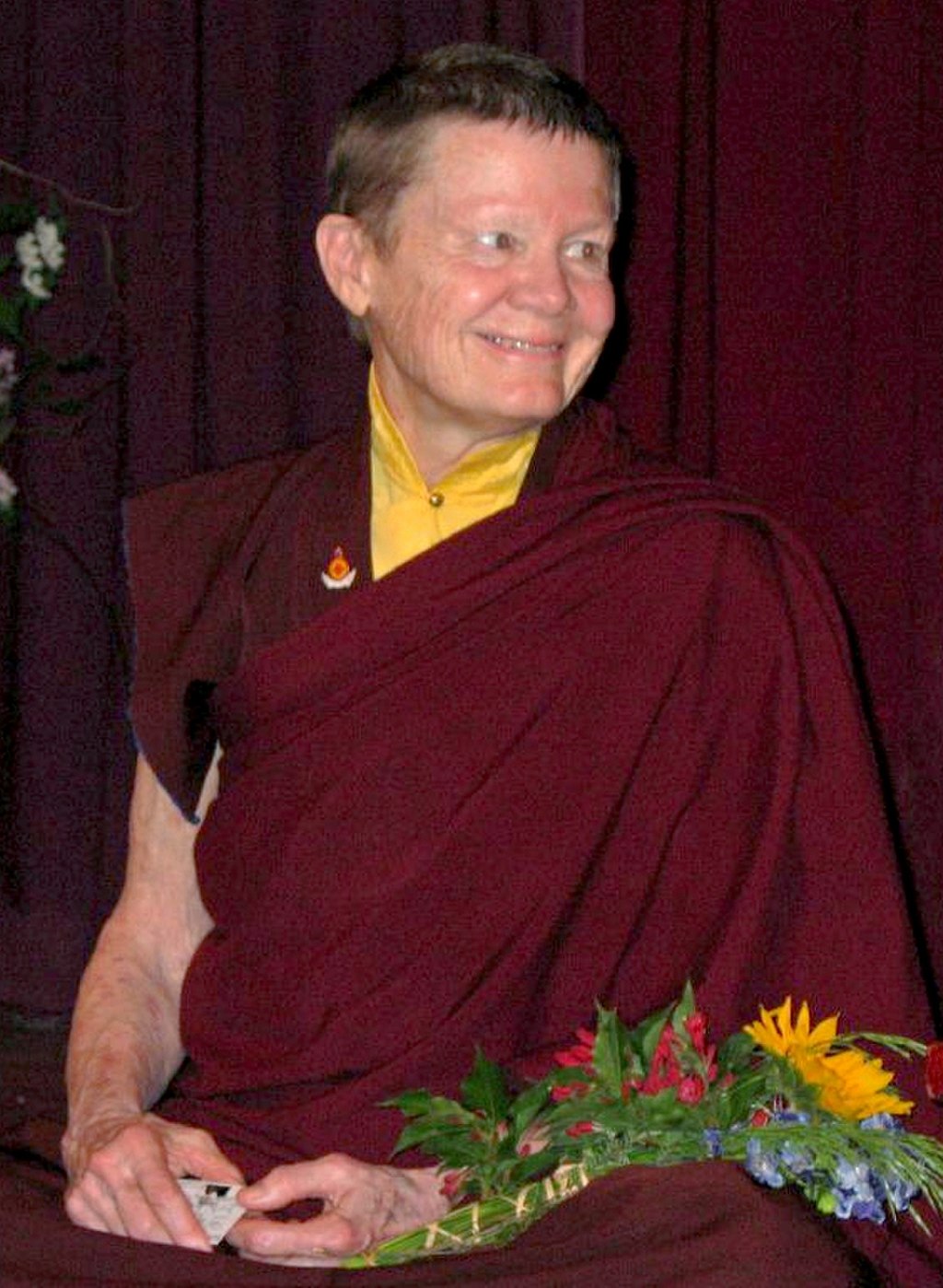
Finding Clarity in Quietude
Pema Chödrön's assertion that "the answer is in the stillness" invites us to explore the profound wisdom that arises when we embrace silence and tranquility. In a world often characterized by noise and distraction, this statement serves as a gentle reminder that clarity and understanding often emerge from moments of quiet reflection. The stakes are high; in our relentless pursuit of answers, we may overlook the transformative power of stillness, which can lead us to deeper insights about ourselves and our lives.
As we delve into this quote, we recognize that stillness is not merely the absence of sound but a rich, fertile ground for contemplation and self-discovery. It is in these moments of pause that we can confront our thoughts, emotions, and the complexities of our existence. Chödrön's words beckon us to cultivate a relationship with stillness, suggesting that the answers we seek are not found in external pursuits but within the depths of our own being.
The image / the metaphor
The imagery of stillness conjures a serene landscape, perhaps a tranquil lake reflecting the sky, undisturbed by ripples. The verb "is" in Chödrön's quote implies a state of being, suggesting that stillness is not something we must strive for but rather a natural condition that we can access. This felt sense of stillness evokes a profound peace, a sanctuary where the chaos of life can be momentarily set aside, allowing us to listen to the whispers of our inner wisdom.
Diving deeper into the metaphor, stillness can be seen as a mirror reflecting our true selves. In the quiet, we confront our fears, desires, and uncertainties without the clamor of external influences. This metaphorical space becomes a crucible for transformation, where the noise of our thoughts can settle, revealing the clarity that lies beneath. It is here, in the depths of stillness, that we can begin to understand our place in the world and the answers that resonate with our authentic selves.
In the speaker's tradition
Pema Chödrön, a prominent figure in Tibetan Buddhism, draws upon the rich tapestry of Buddhist teachings to illuminate the significance of stillness. Central to her philosophy is the concept of *shunyata*, or emptiness, which invites us to recognize the transient nature of our thoughts and emotions. In this light, stillness becomes a pathway to understanding the impermanence of our experiences, allowing us to cultivate a sense of detachment and clarity that is essential for spiritual growth.
Chödrön's teachings resonate with the notion of *prajna*, or wisdom, which emerges when we allow ourselves to be present in the moment. In her book, *The Wisdom of No Escape*, she emphasizes the importance of embracing our current circumstances without judgment. This aligns with the Buddhist practice of mindfulness, where stillness serves as a foundation for cultivating awareness and insight, ultimately guiding us toward a deeper understanding of ourselves and the world around us.
Living the teaching
Consider a modern scenario where the chaos of daily life leaves us feeling overwhelmed—perhaps a demanding job, family obligations, or the incessant buzz of social media. In such moments, Chödrön's teaching invites us to pause and seek stillness. By carving out time for quiet reflection, whether through meditation, a walk in nature, or simply sitting in silence, we can create space to process our thoughts and emotions. This practice allows us to step back from the whirlwind of activity and reconnect with our inner selves, ultimately leading to clearer decision-making and a greater sense of peace.
In the context of relationships, stillness can be equally transformative. During conflicts or misunderstandings, we often react impulsively, driven by emotions that cloud our judgment. By embracing the stillness that Chödrön advocates, we can create a pause—a moment to breathe and reflect before responding. This practice not only fosters healthier communication but also deepens our connections with others, as we approach interactions with greater empathy and understanding. In these quiet moments, we can find the answers that elude us in the noise of our daily lives.
A reflection
As we contemplate Pema Chödrön's profound insight, we are invited to consider: How often do we allow ourselves the gift of stillness in our lives? In a culture that prizes busyness and constant activity, this question challenges us to reflect on our relationship with silence and solitude. By embracing stillness, we may uncover the answers we seek, leading us to a deeper understanding of ourselves and the world around us.




Join the BrightStar Community
Stay connected with daily inspiration, event announcements, and community wisdom