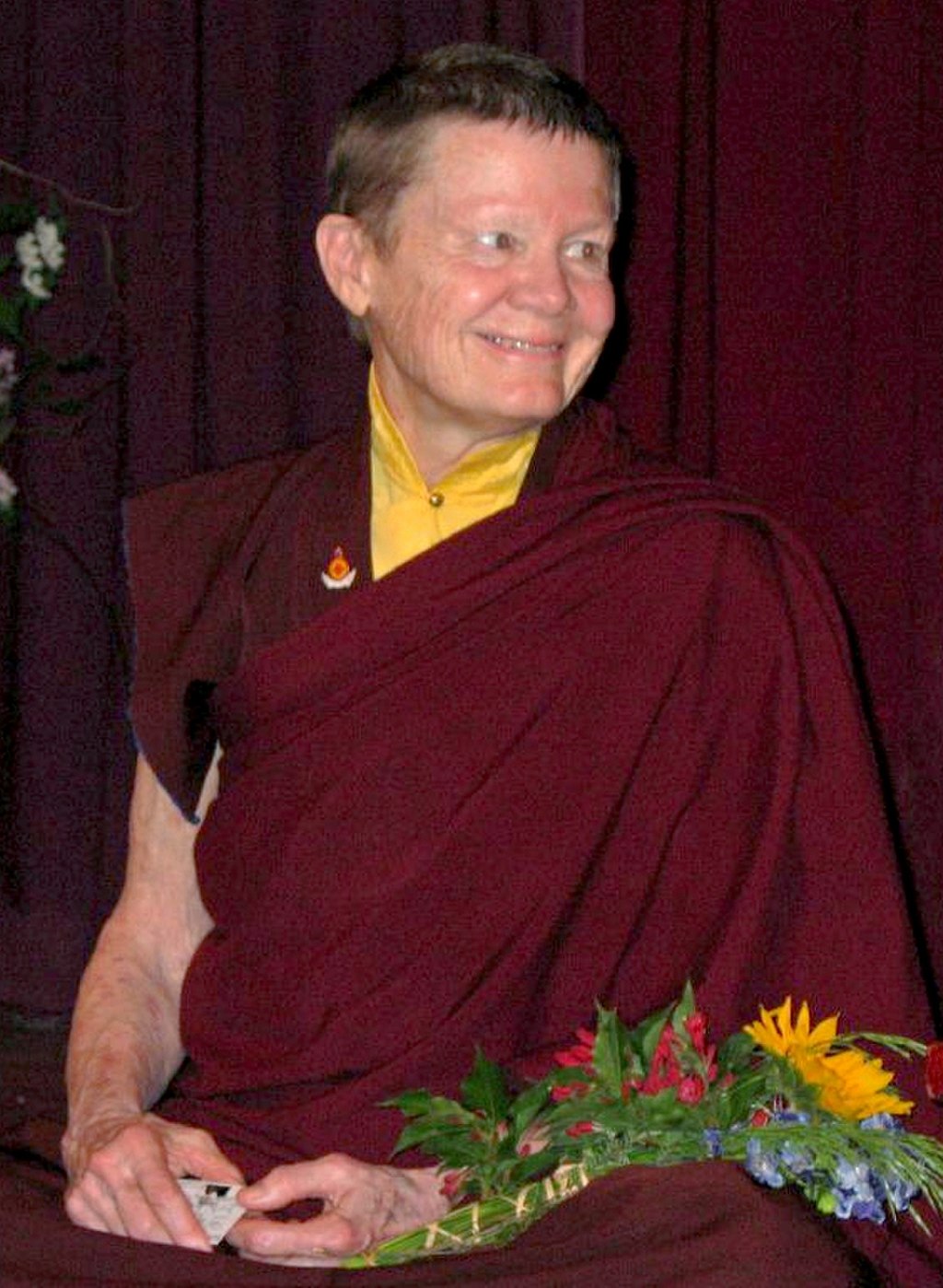
Embracing Our True Selves: The Path to Befriending
Pema Chödrön's poignant assertion, "The point is not to try to throw ourselves away and become something better. It's to befriend who we are already," invites us to reconsider our relationship with ourselves. In a world that often promotes self-improvement as a relentless pursuit, this quote challenges the notion that we must discard our current selves to attain a more desirable state. Instead, it beckons us to cultivate a compassionate relationship with our inherent being, recognizing that acceptance is the first step toward genuine transformation.
This perspective is particularly relevant in our contemporary society, where the pressure to conform to external standards of success and happiness can lead to feelings of inadequacy and disconnection. Chödrön's wisdom encourages us to pause and reflect on our intrinsic worth, suggesting that true growth arises not from self-rejection but from self-acceptance. By befriending ourselves, we create a fertile ground for authentic change, allowing our natural qualities to flourish rather than forcing ourselves into a mold that may not fit.
The image / the metaphor
The imagery in Chödrön's quote evokes a sense of warmth and intimacy, as if she is inviting us to sit down with ourselves as we would with a dear friend. The verbs "befriend" and "throw away" create a stark contrast; the former suggests a gentle, nurturing approach, while the latter implies a harsh, dismissive action. This dichotomy highlights the emotional landscape of self-acceptance, where the act of befriending ourselves requires patience, understanding, and a willingness to embrace our imperfections.
Diving deeper into this metaphor, we can envision the process of befriending as akin to tending a garden. Just as a gardener nurtures each plant, recognizing its unique needs and potential, we too must cultivate our inner landscape with care. This involves acknowledging our fears, insecurities, and past traumas, rather than attempting to erase them. In doing so, we allow our authentic selves to emerge, revealing the beauty that lies beneath the surface of our conditioned responses.
In the speaker's tradition
Pema Chödrön's teachings are deeply rooted in the Buddhist tradition, which emphasizes the importance of acceptance and awareness in the journey toward enlightenment. Concepts such as *sunyata* (emptiness) and *prajna* (wisdom) resonate with her message, as they encourage us to recognize the transient nature of our thoughts and emotions. By understanding that our identities are not fixed but rather fluid, we can begin to embrace the idea that befriending ourselves is an essential aspect of spiritual growth.
Living the teaching
Consider a modern scenario where this teaching might resonate: a person grappling with feelings of inadequacy in their professional life. They may constantly strive for perfection, believing that only by achieving certain milestones will they be worthy of love and respect. In this context, Chödrön's message serves as a gentle reminder that instead of pushing themselves to the brink of burnout, they can pause and acknowledge their current feelings of self-doubt. By befriending these emotions, they can cultivate a sense of compassion that allows them to approach their work with renewed clarity and purpose.
Another application of this teaching can be found in the realm of relationships. Imagine a couple facing challenges in their communication, where misunderstandings and resentment have taken root. Instead of blaming each other or trying to change one another, Chödrön's wisdom encourages them to turn inward and explore their own feelings and reactions. By befriending their vulnerabilities and fears, they can create a space for open dialogue, fostering a deeper connection built on understanding and acceptance.
A reflection
As we contemplate Chödrön's profound insight, we are invited to reflect on our own relationship with ourselves. What aspects of your being have you been reluctant to accept? In what ways can you begin to befriend these parts of yourself, nurturing them with compassion and understanding? This inquiry not only deepens our self-awareness but also paves the way for a more authentic and fulfilling existence.




Join the BrightStar Community
Stay connected with daily inspiration, event announcements, and community wisdom