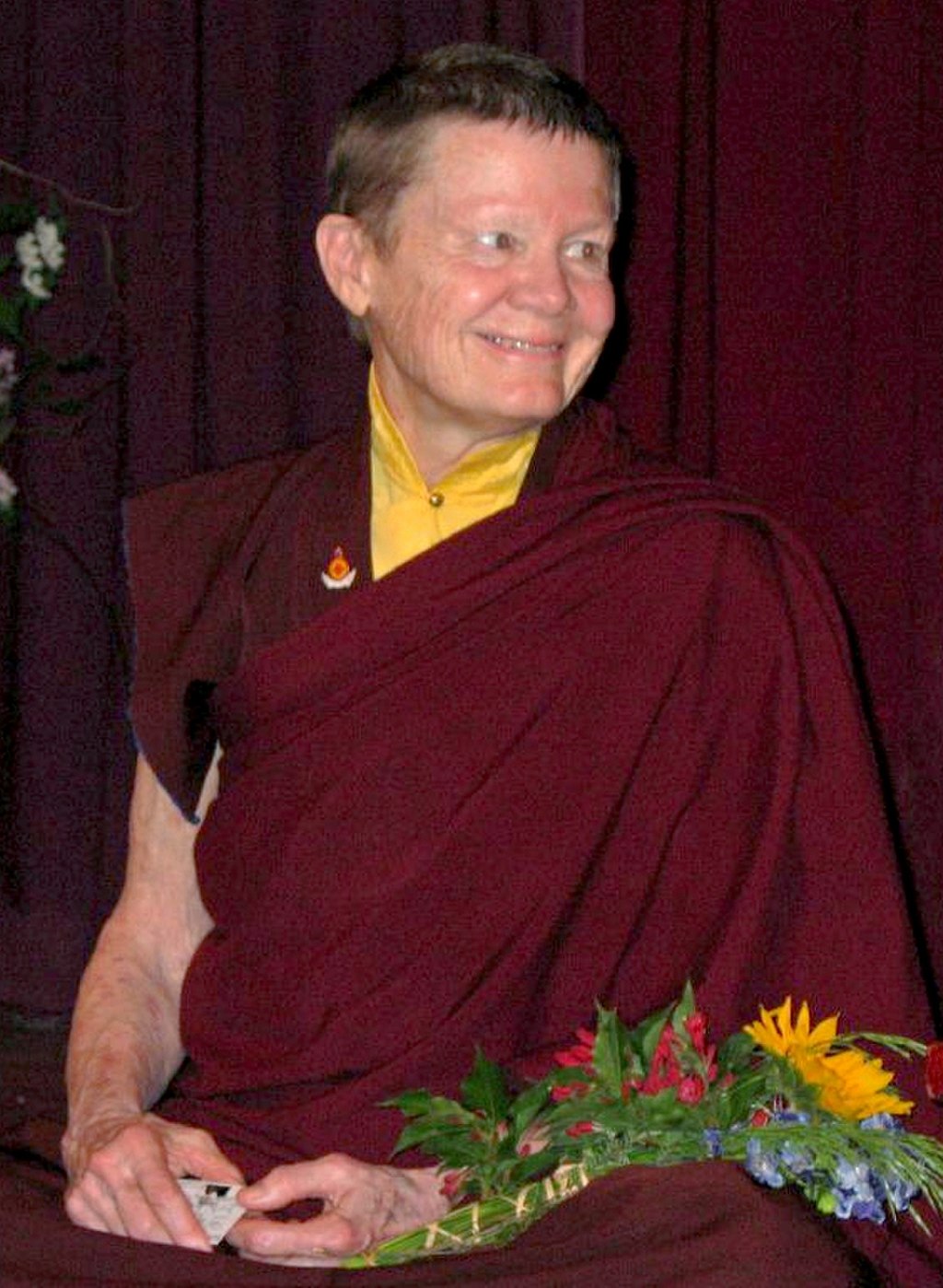
The Unraveling of Clinging: Embracing Openness in the Face of Truth
Pema Chödrön's poignant observation, "The truth you believe and cling to makes you unavailable to hear anything new," invites us to reflect on the nature of our attachments to beliefs and perceptions. This statement underscores a profound truth about the human experience: when we hold tightly to our convictions, we often close ourselves off from new insights and perspectives. The stakes are high; in a world that is ever-changing, our ability to adapt and grow hinges on our willingness to let go of rigid beliefs and embrace the unknown.
In a society that often equates certainty with security, Chödrön's words challenge us to reconsider our relationship with truth. They beckon us to explore the possibility that our most cherished beliefs may, in fact, be barriers to deeper understanding and connection. By clinging to our truths, we risk becoming stagnant, unable to engage with the richness of life as it unfolds. This teaching is not merely a call to intellectual humility but an invitation to cultivate a heart that is open and receptive, ready to embrace the myriad experiences that life has to offer.
The image / the metaphor
The imagery in Chödrön's quote evokes a sense of entrapment, where the act of clinging symbolizes a refusal to let go. The verbs "believe" and "cling" suggest a grasping quality, as if we are holding onto a lifeline that ultimately restricts our movement. This creates a felt sense of tension, where the desire for certainty collides with the fluidity of existence. The metaphor of clinging can be likened to a bird trapped in a cage, where the bars represent our rigid beliefs, preventing us from soaring into the vastness of new possibilities.
Diving deeper into this metaphor, we can see that clinging not only confines us but also distorts our perception of reality. When we are attached to a particular truth, we may filter our experiences through a narrow lens, missing the nuances and complexities that life presents. This limited perspective can lead to a sense of isolation, as we become unable to engage with others who may hold different truths. In this way, the act of clinging becomes a barrier not only to personal growth but also to authentic connection with the world around us.
In the speaker's tradition
Pema Chödrön's insights are deeply rooted in the Buddhist tradition, which emphasizes the importance of non-attachment and the impermanence of all things. Central to this tradition is the concept of "sunyata," or emptiness, which teaches that our perceptions and beliefs are not fixed realities but rather fluid constructs shaped by our experiences. By recognizing the emptiness of our clinging, we can begin to cultivate "prajna," or wisdom, which allows us to see beyond our attachments and engage with the world in a more open and compassionate manner.
A relevant text that echoes this sentiment is the Heart Sutra, which states, "Form is emptiness, emptiness is form." This profound teaching invites us to understand that our beliefs, while they may feel solid and real, are ultimately transient. By embracing the emptiness of our clinging, we can cultivate a sense of freedom that allows us to listen deeply and engage with the richness of life without the constraints of our preconceived notions. This practice of letting go is not merely an intellectual exercise but a transformative journey toward greater awareness and connection.
Living the teaching
Consider a modern scenario where this teaching resonates: a workplace discussion where differing opinions clash. Imagine a team meeting where one member is adamantly attached to their viewpoint, dismissing alternative perspectives. In this situation, the clinging to their "truth" not only stifles creativity but also creates an atmosphere of tension and division. By recognizing the limitations of their attachment, that individual could open themselves to new ideas, fostering collaboration and innovation. This illustrates how clinging can hinder not just personal growth but also collective progress.
In a more personal context, think about a relationship where one partner holds onto past grievances, believing that their perspective is the only valid one. This clinging can create a rift, preventing genuine communication and understanding. By practicing openness and letting go of rigid beliefs about the other person, both partners can create space for healing and deeper connection. This shift from clinging to openness allows for a more compassionate engagement, transforming the relationship into a dynamic space of growth and mutual support.
A reflection
As we contemplate Chödrön's profound insight, we are invited to reflect on our own lives: What truths do we cling to that may be limiting our ability to hear and understand others? In what ways might our attachments create barriers to new experiences and relationships? By engaging with these questions, we can begin to cultivate a practice of openness, allowing ourselves to embrace the unknown and the transformative potential it holds. In this journey, we may find that letting go is not a loss but a gateway to deeper understanding and connection.




Join the BrightStar Community
Stay connected with daily inspiration, event announcements, and community wisdom