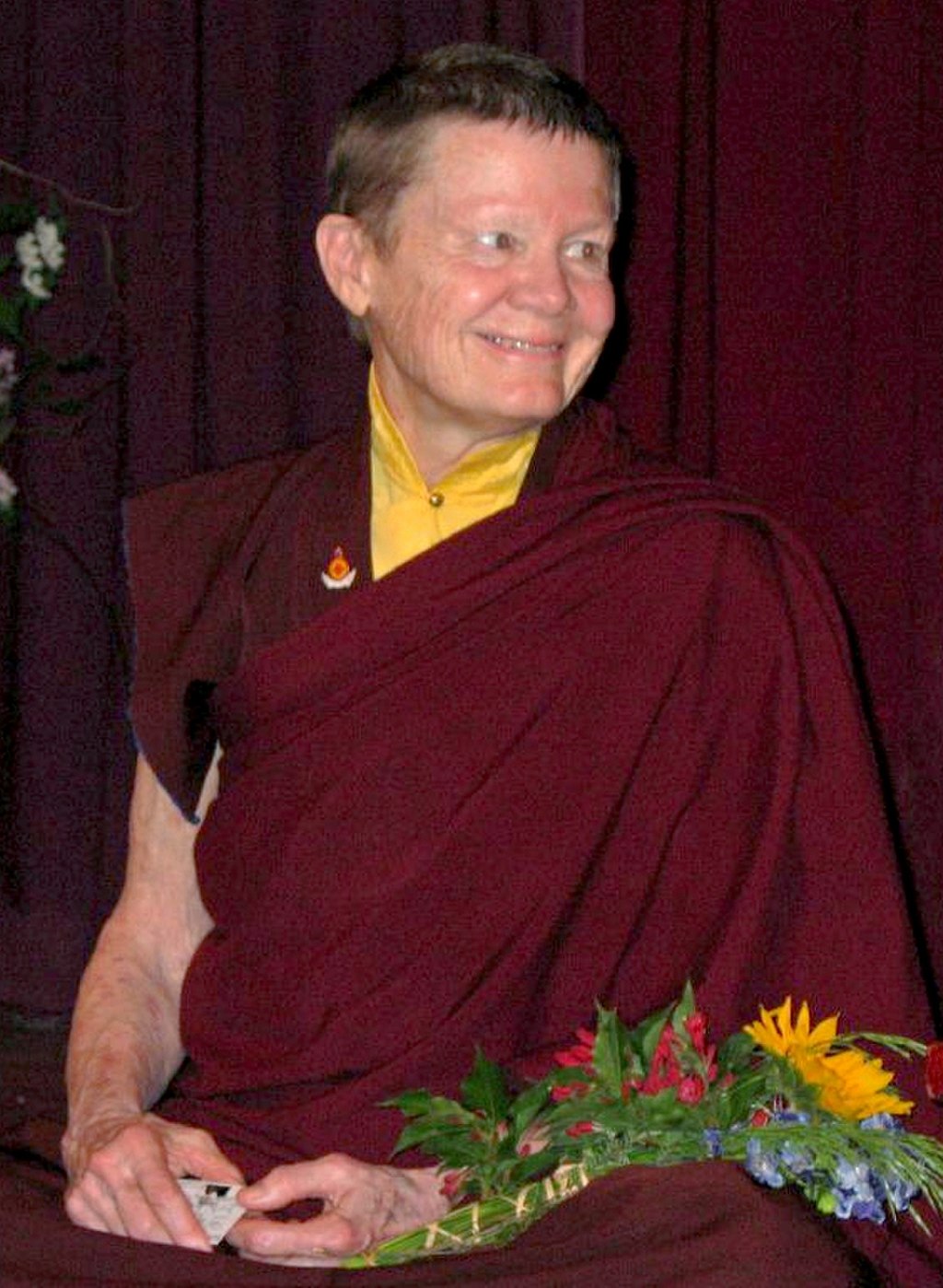
The Journey of Becoming: Embracing Our Humanity
Pema Chödrön's assertion that "to be fully human is to be in process" invites us to consider the essence of our existence as a continuous journey rather than a fixed state. This perspective challenges the often-held belief that humanity is defined by achievements or static identities. Instead, it emphasizes the importance of growth, transformation, and the acceptance of impermanence as integral to our human experience. Recognizing ourselves as beings in process allows us to embrace vulnerability and uncertainty, fostering a deeper connection with ourselves and others.
In a world that frequently prioritizes completion and success, Chödrön's words remind us that the path to authenticity lies in our willingness to engage with the unfolding of our lives. This process-oriented view encourages us to let go of rigid expectations and to cultivate a sense of curiosity about our experiences. By acknowledging that being human is inherently tied to the journey of becoming, we open ourselves to the richness of life, with all its complexities and contradictions. This understanding not only enhances our self-awareness but also deepens our compassion for others who are navigating their own processes.
The image / the metaphor
The phrase "to be in process" evokes a dynamic image of life as a river, ever-flowing and changing. It suggests that our identities are not fixed but rather fluid, shaped by our experiences, choices, and the lessons we learn along the way. The use of the verb "to be" emphasizes existence itself, inviting us to inhabit the present moment fully. This imagery encourages us to embrace the messiness of life, recognizing that growth often arises from discomfort and uncertainty.
Diving deeper into the metaphor, we can see that being "in process" implies an active engagement with our inner landscapes. It is not merely about enduring change but actively participating in it, allowing ourselves to be shaped by our experiences. This notion resonates with the Buddhist concept of impermanence (anicca), which teaches that all things are transient and that clinging to fixed identities leads to suffering. By embracing our process, we cultivate resilience and adaptability, essential qualities for navigating the complexities of life.
In the speaker's tradition
Pema Chödrön's teachings are deeply rooted in the Buddhist tradition, where the concept of being in process aligns with the principles of dharma and the understanding of sunyata, or emptiness. In Buddhism, dharma refers to the teachings that guide us toward enlightenment, while sunyata invites us to recognize the fluidity of existence and the interconnectedness of all beings. By acknowledging that we are always in a state of becoming, we align ourselves with the fundamental truths of the universe, fostering a sense of compassion and understanding for ourselves and others.
Chödrön's perspective can also be illuminated through the lens of the Tibetan Buddhist text "The Places That Scare You," where she explores the importance of facing our fears and uncertainties. In this work, she emphasizes that true growth occurs when we confront the discomfort that arises from our experiences. By embracing our process, we cultivate prajna, or wisdom, which allows us to navigate the complexities of life with grace and clarity. This wisdom is not a destination but a continuous unfolding, much like the journey of being human itself.
Living the teaching
Consider a modern scenario where this teaching resonates: a young professional grappling with the pressures of career advancement. In a culture that often equates success with a linear trajectory, this individual may feel overwhelmed by the expectation to have everything figured out. However, by embracing the idea of being in process, they can shift their focus from external validation to internal growth. This perspective allows them to view setbacks as opportunities for learning, fostering resilience and a deeper understanding of their own aspirations.
In the context of relationships, the teaching of being in process can be equally transformative. Imagine a couple navigating a challenging phase in their partnership. Instead of viewing their struggles as failures, they can approach them as a shared journey of growth. By recognizing that both partners are in process, they cultivate empathy and patience, allowing space for vulnerability and open communication. This approach not only strengthens their bond but also deepens their understanding of each other as individuals on their unique paths.
A reflection
As we contemplate Chödrön's profound insight, we are invited to reflect on our own journeys. What does it mean for you to be in process? How can embracing this idea transform your understanding of yourself and your relationships with others? By engaging with these questions, we can cultivate a deeper awareness of our humanity, allowing us to navigate the complexities of life with grace and compassion.




Join the BrightStar Community
Stay connected with daily inspiration, event announcements, and community wisdom