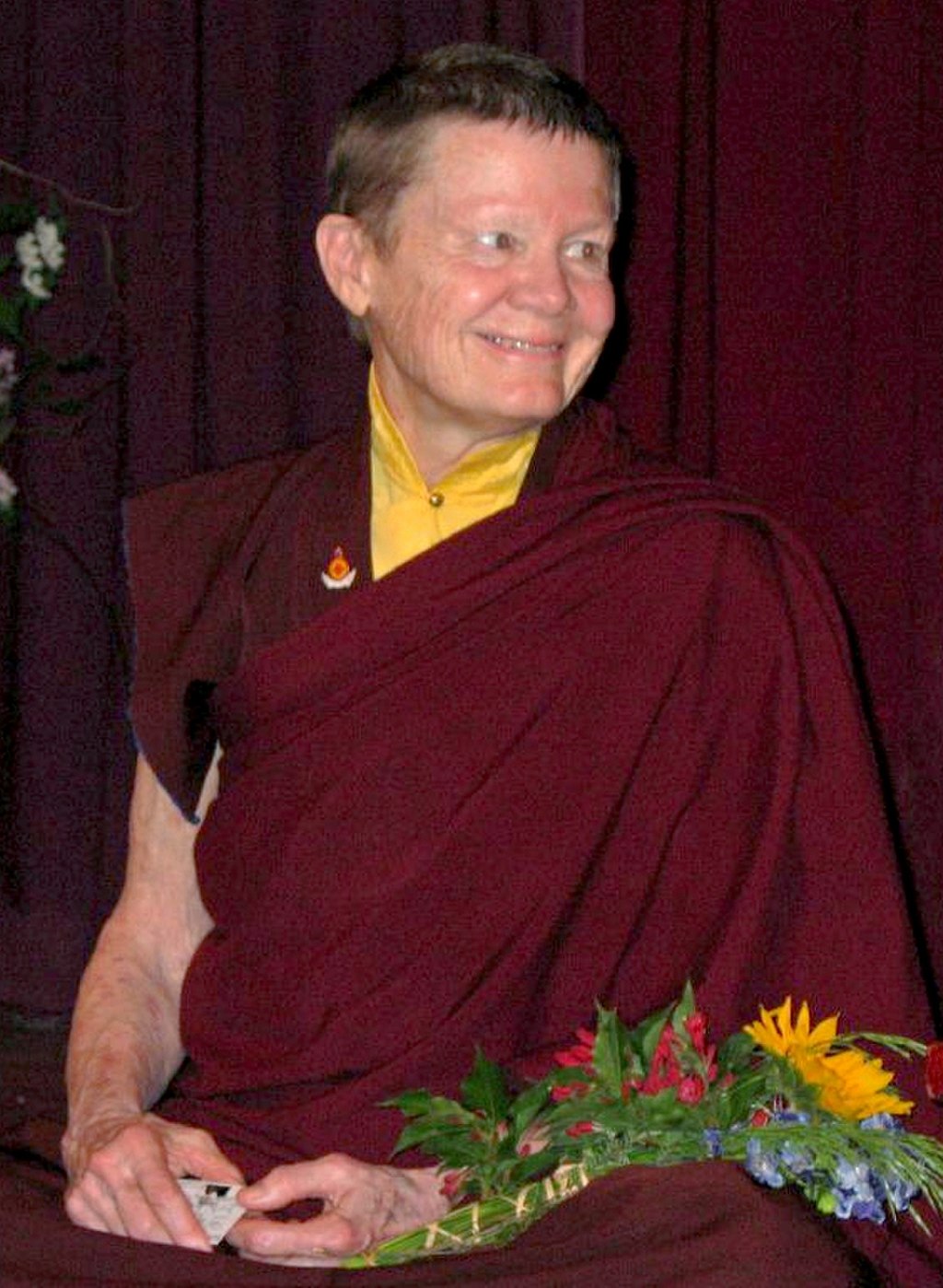
The Heart of Connection: Embracing Our Humanity
Pema Chödrön's assertion that "to be human is to be in relationship" invites us to reflect on the essence of our existence. This statement underscores the profound interconnectedness that defines our human experience, suggesting that our identities are shaped not in isolation but through the bonds we forge with others. In a world often marked by division and disconnection, recognizing the relational nature of our humanity becomes a vital endeavor, one that can lead to deeper understanding and compassion.
As we delve into this quote, we are called to examine the implications of our relationships—not just with others, but also with ourselves and the world around us. Chödrön's words resonate with the idea that our capacity for empathy, love, and understanding is what truly makes us human. This exploration of relationality invites us to confront the fears and vulnerabilities that arise in our interactions, ultimately guiding us toward a more authentic and compassionate existence.
The image / the metaphor
The phrase "to be in relationship" evokes a vivid image of interconnectedness, where each individual is a thread woven into the larger tapestry of life. The use of the verb "to be" suggests a state of existence that is dynamic and fluid, emphasizing that our humanity is not a static condition but an ongoing process shaped by our interactions. This imagery invites us to feel the warmth of connection, the ebb and flow of shared experiences, and the profound impact that relationships have on our sense of self.
Delving deeper into the metaphor, we can see that relationships are not merely external connections but also internal dialogues. To be in relationship is to engage with the myriad aspects of ourselves—our fears, desires, and aspirations—while simultaneously relating to others. This duality highlights the complexity of human experience, where our interactions with others reflect and inform our inner landscapes, creating a rich tapestry of relational existence.
In the speaker's tradition
Pema Chödrön's insights are deeply rooted in Buddhist philosophy, which emphasizes the interconnectedness of all beings. Concepts such as *sunyata* (emptiness) and *prajna* (wisdom) illuminate the understanding that our identities are not fixed but rather fluid and interdependent. In this context, to be human is to recognize that our existence is intertwined with the lives of others, and that our suffering and joy are shared experiences. This relational understanding encourages us to cultivate compassion and mindfulness in our interactions.
In her work, Chödrön often references the teachings of the *Bodhisattva*, a being committed to the enlightenment of all. This ideal embodies the essence of being in relationship, as it calls for selfless engagement with others, recognizing their suffering as our own. The *Bodhisattva* path invites us to embrace the challenges of connection, transforming our relationships into opportunities for growth and understanding, thereby enriching our human experience.
Living the teaching
Consider a modern scenario where this teaching resonates: a workplace filled with diverse personalities and perspectives. In such an environment, the potential for conflict is high, yet it is also a fertile ground for connection. By embracing Chödrön's teaching, individuals can approach their colleagues with openness and curiosity, recognizing that each person brings unique experiences that shape their viewpoints. This shift in perspective fosters collaboration and understanding, transforming the workplace into a community where relationships thrive.
Another application of this teaching can be found in personal relationships, particularly during moments of tension or disagreement. When faced with conflict, we often retreat into our own perspectives, forgetting the relational nature of our humanity. By consciously choosing to engage with empathy and vulnerability, we can navigate these difficult moments with grace. This practice not only deepens our connections but also allows us to grow as individuals, learning from the challenges that arise in our relationships.
A reflection
As we contemplate Chödrön's assertion that "to be human is to be in relationship," we are invited to reflect on our own connections. How do our relationships shape our understanding of ourselves and the world around us? In what ways can we cultivate deeper connections with others, embracing the beauty and complexity of our shared humanity? These questions serve as a guiding light, encouraging us to explore the richness of our relational existence.




Join the BrightStar Community
Stay connected with daily inspiration, event announcements, and community wisdom