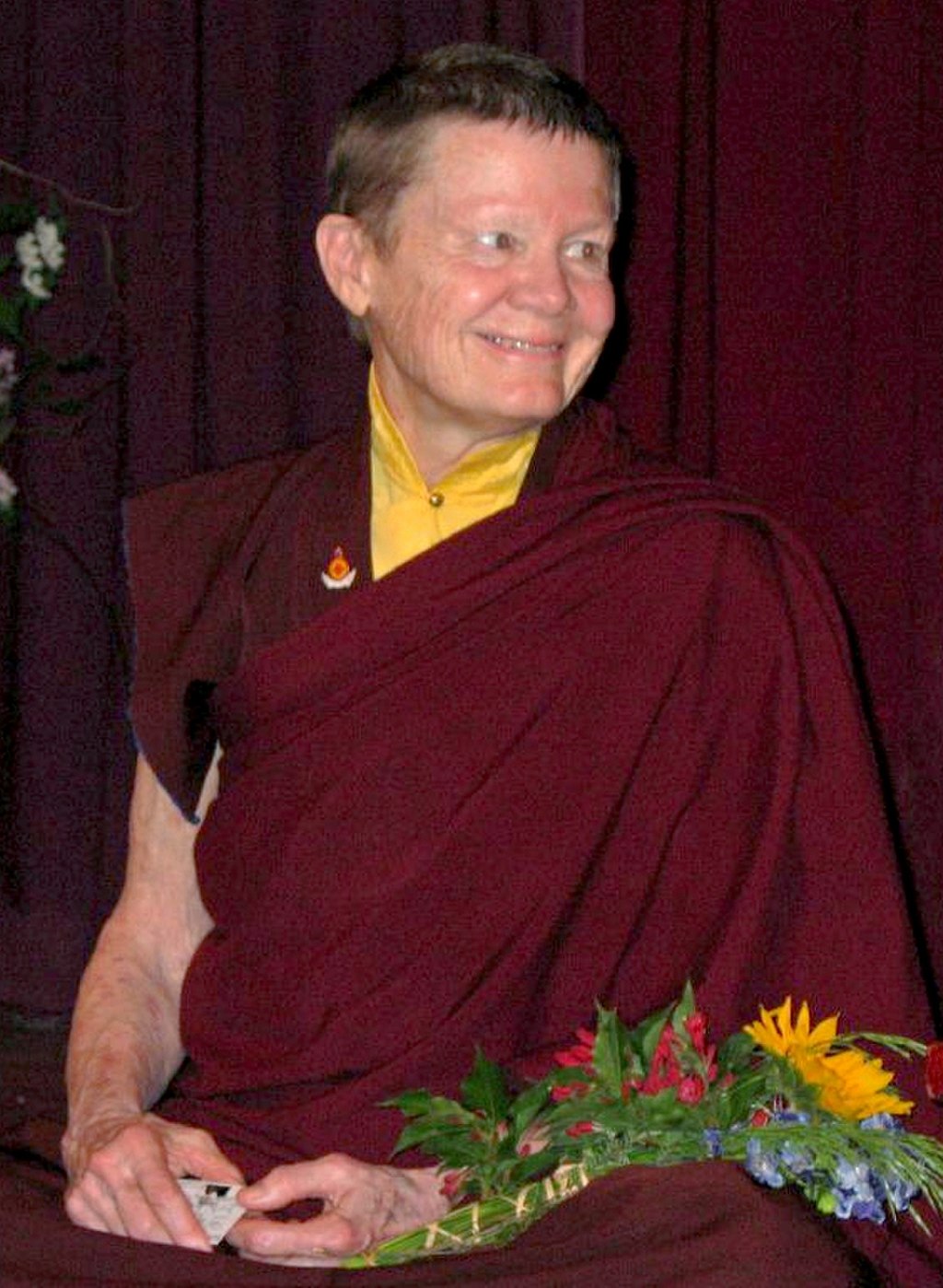
Embracing the Groundlessness of Awakening
Pema Chödrön invites us to embrace the discomfort of our human experience, suggesting that true awakening lies in our ability to remain present with feelings of shakiness, heartbreak, and hopelessness. In her words, the path to enlightenment is not paved with certainty and comfort, but rather with the raw and often unsettling emotions that accompany our existence. This perspective challenges the common desire to escape discomfort, urging us instead to cultivate a deep awareness of our inner turmoil as a gateway to profound transformation.
In a world that often prioritizes stability and success, Chödrön’s message resonates with a profound truth: our struggles are not obstacles to be avoided, but essential components of our spiritual journey. By staying with our feelings of vulnerability and uncertainty, we open ourselves to a deeper understanding of ourselves and the nature of reality. This teaching encourages us to shift our relationship with discomfort, recognizing it as a fertile ground for awakening rather than a hindrance to our peace.
The image / the metaphor
The imagery in Chödrön's quote evokes a visceral sense of instability and emotional turmoil. The phrases "broken heart," "rumbling stomach," and "feeling of hopelessness" conjure a landscape of human suffering that many of us can relate to. These sensations are not merely physical; they represent the existential angst that arises when we confront the impermanence of life. The act of "staying" with these feelings suggests a courageous engagement with our inner landscape, rather than a flight from it.
Diving deeper into the metaphor, we can see that Chödrön is not advocating for passive acceptance of suffering, but rather an active, mindful presence within it. This staying power requires a willingness to sit with discomfort, to explore the depths of our emotional experiences without the urge to escape or numb ourselves. It is in this space of vulnerability that we can begin to unravel the layers of our conditioned responses and discover the profound wisdom that lies beneath our pain.
In the speaker's tradition
Pema Chödrön's teachings are deeply rooted in the Buddhist tradition, which emphasizes the concepts of groundlessness and impermanence. In Buddhism, the notion of dharma encourages practitioners to engage with the truth of their experiences, including suffering, as a path to enlightenment. This aligns with the idea of sunyata, or emptiness, which invites us to recognize that our attachments to comfort and certainty are ultimately illusory. By embracing groundlessness, we can cultivate a sense of freedom that transcends our habitual patterns of avoidance.
Chödrön’s insights echo the teachings found in the Tibetan Buddhist text, the Heart Sutra, which articulates the concept of emptiness as a means to liberation. The sutra states, "Form is emptiness, emptiness is form," suggesting that our experiences of suffering and joy are interwoven and that understanding this interdependence can lead to awakening. By staying with our discomfort, we can begin to see through the illusions of separation and cultivate a deeper connection to ourselves and others.
Living the teaching
Consider a modern scenario where this teaching might resonate: a person facing job loss. The initial reaction may be one of panic and despair, a natural response to the groundlessness of uncertainty. However, if this individual chooses to stay with the feelings of fear and hopelessness, they may uncover deeper insights about their identity, values, and aspirations. This process of staying present with discomfort can lead to a transformative exploration of new possibilities, ultimately guiding them toward a path that aligns more authentically with their true self.
In the context of relationships, Chödrön's teaching can be particularly poignant. Imagine a couple navigating a period of conflict; instead of retreating into silence or defensiveness, they might choose to stay with the discomfort of their emotions. By openly acknowledging their feelings of hurt and vulnerability, they create a space for deeper understanding and connection. This practice of staying with the shakiness can foster intimacy and resilience, allowing both partners to grow individually and together.
A reflection
As we contemplate Chödrön's profound words, we are invited to reflect on our own relationship with discomfort. What would it look like to stay present with our feelings of shakiness, heartbreak, or hopelessness? In what ways might this practice of embracing our emotional landscape lead us to a deeper understanding of ourselves and our place in the world? Allowing these questions to linger can open the door to a transformative journey of awakening.




Join the BrightStar Community
Stay connected with daily inspiration, event announcements, and community wisdom