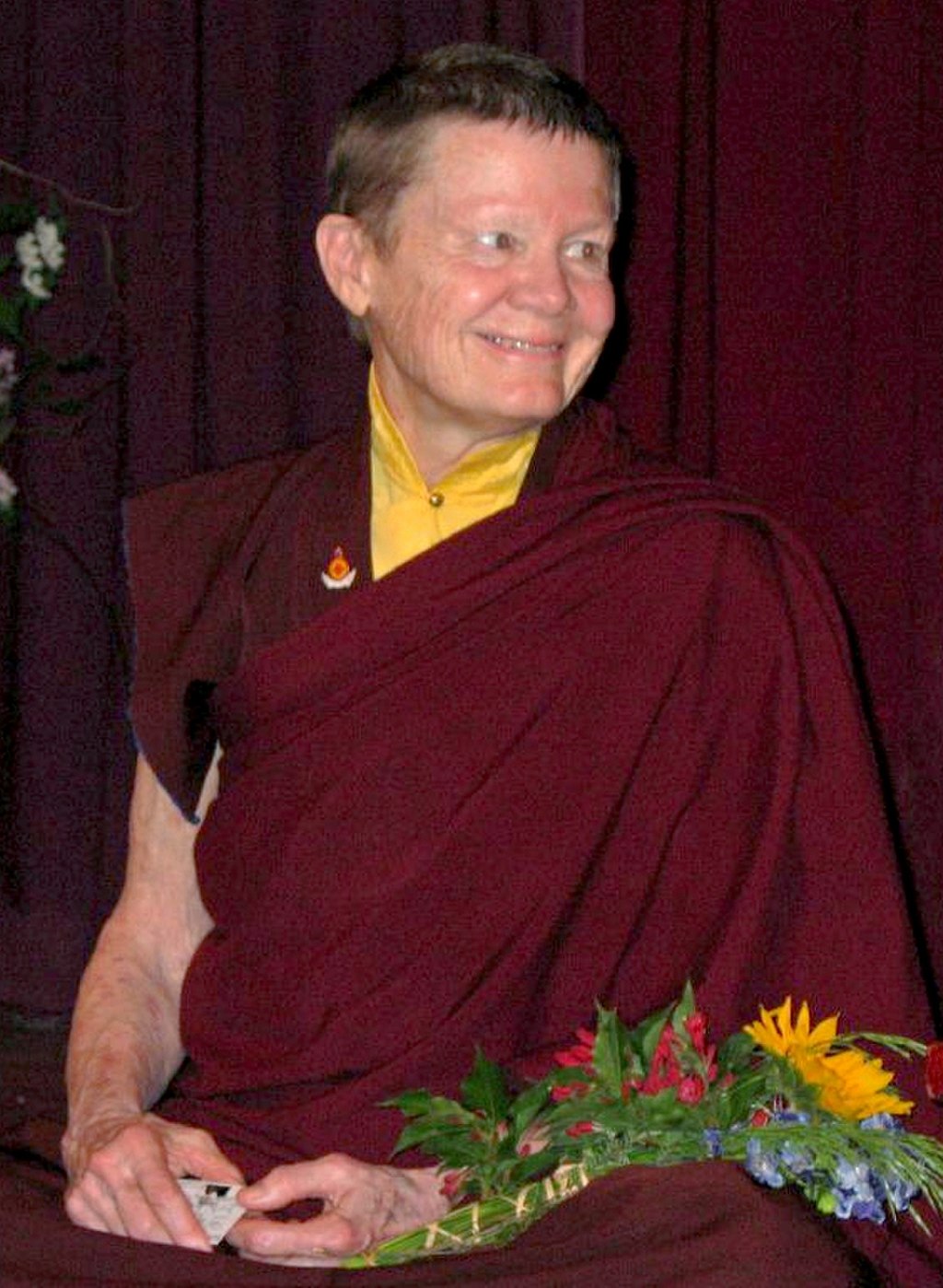
Embracing the Journey of Becoming
Pema Chödrön's assertion, "You are not stuck. You are growing," invites us to reconsider our relationship with the challenges we face. In moments of stagnation or despair, it is easy to feel trapped, as if our circumstances define us. Yet, Chödrön reminds us that even in our most difficult times, we are in a state of transformation. This perspective is crucial; it encourages us to see our struggles not as barriers but as essential components of our growth journey.
To grasp the depth of this statement, we must recognize that growth is not always linear or comfortable. It often unfolds in unexpected ways, requiring us to confront our fears and uncertainties. Chödrön's words serve as a gentle nudge, urging us to shift our perception from one of limitation to one of possibility. By embracing this mindset, we can cultivate resilience and openness, allowing ourselves to flourish amidst adversity.
The image / the metaphor
The imagery in Chödrön's quote evokes a sense of movement and evolution. The verb "growing" suggests a dynamic process, one that is inherently alive and fluid. It contrasts sharply with the notion of being "stuck," which implies stagnation and confinement. This juxtaposition creates a vivid picture of the human experience: we are not static beings but rather participants in a continuous unfolding of our potential.
Diving deeper into the metaphor, we can envision growth as a natural phenomenon, akin to a seed breaking through the soil. Just as a seed must push through the darkness to reach the light, we too must navigate our own struggles to emerge into a fuller expression of ourselves. This process may be uncomfortable, but it is also a testament to our inherent strength and resilience. Chödrön's words encourage us to embrace this journey, recognizing that each challenge is an opportunity for profound transformation.
In the speaker's tradition
Pema Chödrön's teachings are deeply rooted in the Buddhist tradition, which emphasizes the concepts of impermanence and interdependence. The idea of growth aligns with the Buddhist understanding of dharma, the natural law that governs our existence. In this context, growth is not merely personal but is intricately connected to the larger web of life. By recognizing our interconnectedness, we can appreciate how our individual journeys contribute to the collective experience of humanity.
Moreover, Chödrön's perspective resonates with the Buddhist concept of sunyata, or emptiness. This notion teaches us that our perceived limitations are often illusions, shaped by our attachments and aversions. When we let go of these constraints, we open ourselves to the possibility of growth and transformation. In her work, particularly in "Welcoming the Unwelcome," Chödrön invites us to embrace the fullness of our experiences, suggesting that true growth arises from our willingness to face discomfort and uncertainty.
Living the teaching
Consider a modern scenario where this teaching can be applied: a professional facing a career setback. It is easy to feel stuck in such a situation, overwhelmed by self-doubt and fear of failure. However, if we embrace Chödrön's perspective, we can view this setback as an opportunity for growth. Perhaps it prompts a reevaluation of our goals, leading us to discover new passions or skills we had not previously considered. By reframing our experience, we can transform a moment of despair into a catalyst for personal development.
This teaching also finds relevance in our relationships. Imagine a conflict with a loved one that feels insurmountable. In the heat of the moment, it is common to feel trapped in a cycle of blame and resentment. Yet, by applying Chödrön's wisdom, we can recognize that this conflict is not a dead end but a chance for growth. It invites us to explore our own vulnerabilities and to communicate more openly. In doing so, we not only deepen our connection with the other person but also cultivate a greater understanding of ourselves.
A reflection
As we contemplate Chödrön's assertion, we are invited to reflect on our own lives and the areas where we feel stuck. What if we approached these challenges as opportunities for growth instead? In what ways can we shift our perception to embrace the unfolding journey of becoming? By engaging with these questions, we can begin to cultivate a mindset that welcomes change and fosters resilience, allowing us to navigate life's complexities with grace and courage.




Join the BrightStar Community
Stay connected with daily inspiration, event announcements, and community wisdom