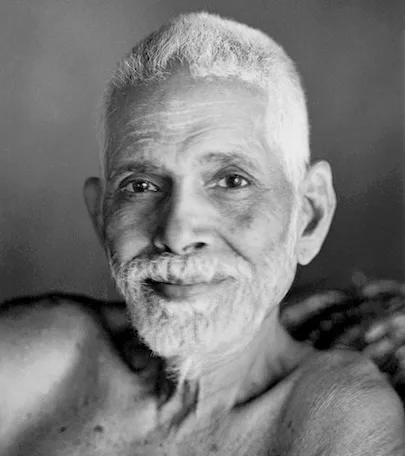
Returning to the Heart of Being
In the profound words of Ramana Maharshi, "Bring the mind back from those wanderings, and abide in the Self." This invitation speaks to the essence of spiritual practice: the call to redirect our often-distracted minds toward the deeper reality of our true nature. In a world filled with incessant noise and distraction, this teaching serves as a gentle reminder of the importance of grounding ourselves in the Self, the unchanging core of our being. The stakes are high; without this return, we risk losing touch with the very essence of who we are.
To abide in the Self is not merely a passive state; it is an active engagement with our inner landscape. Maharshi's words urge us to cultivate awareness and presence, to recognize when our thoughts drift into the myriad distractions of daily life. This practice of bringing the mind back is a form of self-discipline that ultimately leads to liberation. It invites us to explore the nature of the mind itself, questioning its tendencies to wander and the implications of such wanderings on our spiritual journey.
The image / the metaphor
The imagery in Maharshi's quote evokes a sense of movement and return. The phrase "bring the mind back" suggests a journey, one that requires effort and intention. It implies that the mind, like a wayward child, often strays from its rightful place, lost in the labyrinth of thoughts, worries, and desires. The act of "abiding in the Self" is not simply about finding stillness; it is about anchoring oneself in a deeper reality that transcends the fluctuations of the mind.
Diving deeper into this metaphor, we can see that the mind's wanderings represent the distractions and illusions that cloud our perception of reality. The Self, in contrast, is a vast ocean of peace and clarity, waiting to be discovered beneath the surface turbulence. To abide in the Self is to recognize that this ocean is always present, even when the waves of thought crash upon it. This metaphor invites us to cultivate a sense of inner stability, allowing us to navigate the storms of life with grace and equanimity.
In the speaker's tradition
Ramana Maharshi's teachings are deeply rooted in the Advaita Vedanta tradition, which emphasizes the non-duality of the Self and the ultimate reality, Brahman. Concepts such as dharma, the moral order of the universe, and prajna, or wisdom, are integral to understanding the context of his teachings. In this framework, the mind's wanderings can be seen as distractions from our dharma, leading us away from the realization of our true nature. The practice of returning to the Self is a way to align with our higher purpose and cultivate the wisdom necessary for spiritual growth.
A relevant text that echoes this sentiment is the Upanishads, which speak of the Self as the ultimate truth that underlies all existence. In the Chandogya Upanishad, it is said, "Tat Tvam Asi," meaning "That Thou Art," which reinforces the idea that our true essence is not separate from the divine. Maharshi's call to abide in the Self resonates with this ancient wisdom, inviting us to recognize our inherent unity with the cosmos and the divine presence that permeates all of life.
Living the teaching
Consider a modern scenario where this teaching can be applied: a busy professional overwhelmed by the demands of work and life. In the midst of deadlines and responsibilities, the mind often drifts into anxiety and distraction, losing sight of the present moment. By consciously bringing the mind back to the Self, this individual can cultivate a practice of mindfulness, taking moments throughout the day to pause, breathe, and reconnect with their inner essence. This simple act of returning can transform their experience, allowing them to approach challenges with clarity and calm.
In a different context, imagine a relationship facing difficulties. When conflicts arise, it is easy for the mind to wander into blame, resentment, or defensiveness. By abiding in the Self, both partners can cultivate compassion and understanding, recognizing that their true essence is rooted in love and connection. This practice of returning to the Self can foster deeper communication and healing, allowing the relationship to flourish despite external challenges. In both scenarios, the teaching of Maharshi becomes a guiding light, illuminating the path back to our true nature.
A reflection
As we contemplate the wisdom of Ramana Maharshi, we are invited to reflect on our own lives: Where do our minds wander, and how can we gently bring them back to the Self? This question encourages us to explore the distractions that pull us away from our essence and to consider the practices that can help us abide more fully in our true nature. In this inquiry, we may discover not only the challenges we face but also the profound beauty of returning home to ourselves.




Join the BrightStar Community
Stay connected with daily inspiration, event announcements, and community wisdom