Embracing the Self: A Journey Beyond Illusion
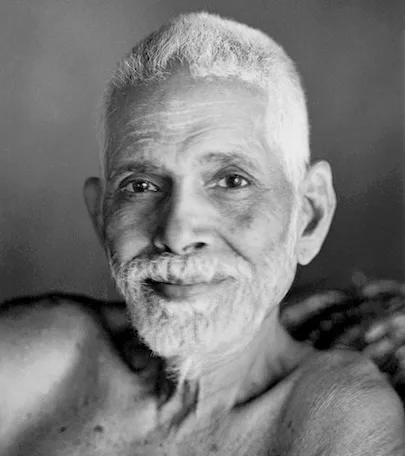
Ramana Maharshi's poignant assertion, "Don't keep away from the Self, in which case you will be running after the body, the mind, and the world," invites us to reflect on the nature of our existence. At its core, this quote emphasizes the importance of recognizing and connecting with our true essence, the Self, rather than becoming entangled in the transient aspects of life. The stakes are high; in a world that often prioritizes external validation and material pursuits, the risk of losing touch with our authentic selves is ever-present.
In a society that celebrates distraction and external achievement, Maharshi's words serve as a gentle yet firm reminder of the inner journey that awaits us. The Self, in this context, is not merely an abstract concept but a profound reality that can lead to liberation and peace. By understanding the implications of this quote, we are encouraged to turn inward, fostering a deeper relationship with our true nature and ultimately finding solace amidst the chaos of the world.
The image / the metaphor
At first glance, Maharshi's quote presents a vivid dichotomy between the Self and the external world. The imagery of "running after the body, the mind, and the world" evokes a sense of frantic pursuit, as if we are chasing shadows that can never truly satisfy us. The verbs chosen—"keep away" and "running after"—suggest a dynamic tension between the inner and outer realms, highlighting the futility of seeking fulfillment in transient experiences.
Delving deeper into this metaphor, we can see that the act of "keeping away from the Self" signifies a conscious or unconscious choice to ignore our true nature. This avoidance leads to a relentless chase of external validation, where the body, mind, and worldly possessions become the focal points of our existence. In this light, Maharshi's words illuminate the profound truth that true contentment and understanding can only be found by turning inward, rather than outward.
In the speaker's tradition
Ramana Maharshi's teachings are deeply rooted in the Advaita Vedanta tradition, which emphasizes non-duality and the unity of the Self with the ultimate reality, Brahman. Concepts such as dharma, the ethical path, and prajna, or wisdom, are integral to this understanding. By recognizing the Self as the foundation of our being, we align ourselves with our dharma, allowing us to navigate life with clarity and purpose, rather than being swept away by the currents of the mind and body.
In the context of Maharshi's teachings, we can draw parallels to the Buddhist concept of sunyata, or emptiness, which encourages the relinquishment of attachment to the self and the material world. Both traditions point toward a profound realization: that the essence of our being transcends the physical and mental constructs we often identify with. This realization is echoed in texts such as the Upanishads, which invite seekers to explore the depths of their own consciousness and discover the eternal Self that lies within.
Living the teaching
Consider a modern scenario where this teaching resonates: a busy professional caught in the relentless cycle of work, social media, and societal expectations. In the pursuit of success and recognition, this individual may find themselves increasingly disconnected from their inner self, leading to feelings of anxiety and dissatisfaction. By heeding Maharshi's advice, they might begin to carve out moments of stillness and reflection, allowing themselves to reconnect with their true essence, rather than being swept away by the demands of the external world.
In the realm of relationships, Maharshi's teaching can also be transformative. Imagine a couple navigating the complexities of their partnership, often focusing on external factors such as financial stability or social status. By embracing the essence of the Self, they can shift their perspective, fostering a deeper connection rooted in love and understanding rather than superficial concerns. This shift not only enhances their relationship but also serves as a reminder of the importance of nurturing the inner self amidst the challenges of daily life.
A reflection
As we contemplate Maharshi's profound words, we are invited to ask ourselves: "In what ways am I keeping away from my true Self, and how can I begin to bridge that gap?" This question encourages us to explore our own lives, examining the distractions and attachments that may be pulling us away from our authentic essence. By engaging with this inquiry, we open the door to a deeper understanding of ourselves and the world around us, ultimately leading us back to the peace and fulfillment that resides within.




Join the BrightStar Community
Stay connected with daily inspiration, event announcements, and community wisdom