The Liberation of the Mind: A Journey to Inner Freedom
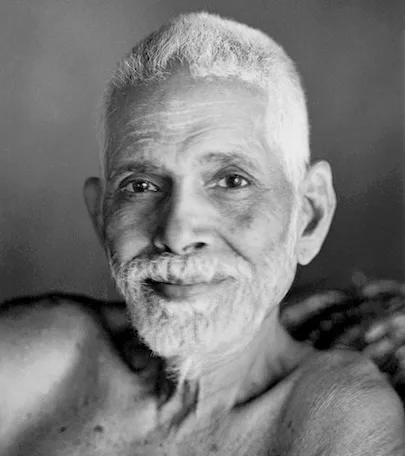
Ramana Maharshi's assertion that "Freedom is for the mind. Mind itself becomes free" invites us to explore the profound relationship between mental liberation and the essence of our being. In a world often dominated by external constraints and societal expectations, this quote serves as a reminder that true freedom originates from within. It challenges us to reconsider our understanding of freedom, suggesting that it is not merely the absence of external limitations but rather a state of mind that can be cultivated through introspection and self-awareness.
This perspective is particularly significant in our contemporary lives, where the cacophony of distractions can easily lead us astray from our inner truth. Maharshi's words encourage us to delve deeper into the nature of our thoughts and beliefs, revealing that the mind, when unshackled from its habitual patterns, can experience a profound sense of liberation. This journey toward mental freedom is not just an intellectual exercise; it is a transformative process that can lead to a more authentic and fulfilling existence.
The image / the metaphor
The imagery in Maharshi's quote evokes a sense of liberation that is both immediate and expansive. The phrase "freedom is for the mind" suggests that the mind is the primary battleground for our experience of freedom. It implies that our thoughts, beliefs, and perceptions can either confine us or set us free. The verb "becomes" indicates a process of transformation, suggesting that freedom is not a static state but a dynamic unfolding of the mind's potential. This imagery invites us to envision the mind as a vast landscape, where the cultivation of awareness can lead to the blossoming of inner freedom.
In the speaker's tradition
Ramana Maharshi's teachings are deeply rooted in the Advaita Vedanta tradition, which emphasizes the non-dual nature of reality and the importance of self-inquiry. Central to this tradition is the concept of *Atman*, or the true self, which is often obscured by the fluctuations of the mind. Maharshi's assertion that "mind itself becomes free" resonates with the idea of *Moksha*, or liberation, which is achieved through the realization of one's true nature. This liberation is not merely an escape from the material world but a profound understanding of the interconnectedness of all existence.
Living the teaching
Consider a modern scenario where the pressures of daily life weigh heavily on an individual. The constant demands of work, family, and social obligations can create a sense of mental entrapment, leading to stress and anxiety. In such moments, Maharshi's teaching becomes particularly relevant. By recognizing that freedom is a state of mind, one can begin to cultivate practices such as meditation or mindfulness, which allow for a deeper connection to the present moment. This shift in perspective can transform the experience of overwhelm into an opportunity for inner peace and clarity.
A reflection
As we contemplate Ramana Maharshi's profound insight, we are invited to reflect on the nature of our own minds. What beliefs or patterns are we holding onto that may be limiting our experience of freedom? In what ways can we cultivate a deeper awareness of our thoughts and emotions, allowing them to flow without attachment? By engaging with these questions, we can embark on a journey toward mental liberation, discovering the boundless potential that lies within each of us.




Join the BrightStar Community
Stay connected with daily inspiration, event announcements, and community wisdom