The Essence of Freedom: Embracing Your True Nature
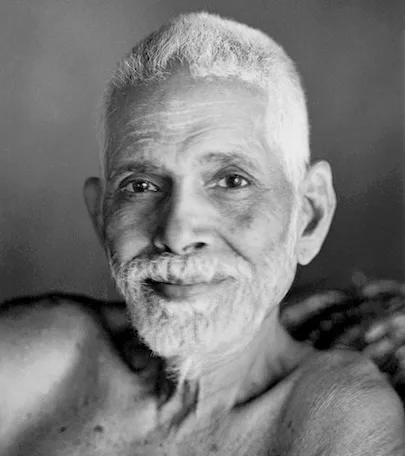
Ramana Maharshi's assertion that "Mukti is your nature. You are That. Have firm faith in it and rest there" invites us to explore the profound depths of our own existence. In essence, he is reminding us that liberation, or mukti, is not a distant goal to be achieved but rather an intrinsic aspect of our being. This understanding is crucial, as it shifts our focus from seeking external validation or enlightenment to recognizing the inherent freedom that resides within us. The stakes are high; to grasp this truth is to unlock a life of authenticity and peace.
Delving deeper, we find that Maharshi's words challenge the very fabric of our conditioned existence. They urge us to cultivate unwavering faith in our true selves, which is often obscured by layers of societal expectations, fears, and desires. This faith is not blind; it is a deep-seated trust in the essence of who we are. By resting in this understanding, we can begin to dismantle the illusions that bind us, allowing the light of our true nature to shine forth. This journey toward self-realization is not merely philosophical; it is a transformative process that can lead to profound inner peace and freedom.
The image / the metaphor
The imagery in Maharshi's quote is rich and evocative, inviting us to visualize mukti as a natural state of being, akin to the air we breathe or the water that nourishes life. The verbs "have" and "rest" suggest a gentle, yet firm, engagement with our true nature. To "have firm faith" implies an active choice, a conscious decision to trust in the reality of our liberation. Meanwhile, "rest there" evokes a sense of surrender, a letting go of the incessant striving that often characterizes our lives. Together, these elements create a powerful invitation to embrace our freedom as an inherent quality, rather than a distant aspiration.
In the speaker's tradition
Ramana Maharshi's teachings are deeply rooted in the Advaita Vedanta tradition, which emphasizes non-duality and the oneness of the self with the ultimate reality, Brahman. Concepts such as dharma, the moral order of the universe, and prajna, or wisdom, play significant roles in understanding our path to liberation. In this context, mukti is not merely an escape from suffering but a realization of our true identity as part of the divine whole. This understanding aligns with the notion of kenosis, or self-emptying, where one relinquishes the ego to experience the fullness of existence.
In the Upanishads, ancient texts foundational to Hindu philosophy, we find echoes of Maharshi's message. The Chandogya Upanishad states, "Tat Tvam Asi," or "You are That," reinforcing the idea that our individual selves are not separate from the universal consciousness. This profound realization invites us to explore the depths of our being, leading us to the understanding that liberation is not an external pursuit but an internal awakening to our true nature.
Living the teaching
Consider a modern scenario where this teaching can be applied: a person grappling with the pressures of work and societal expectations. In the midst of deadlines and demands, they may feel trapped, believing that their worth is tied to their productivity. By embracing Maharshi's teaching, they can begin to shift their perspective, recognizing that their true value lies not in external achievements but in their inherent nature as a being of freedom. This realization can lead to a more balanced approach to work, allowing them to engage with their responsibilities from a place of inner peace rather than anxiety.
Another application of this teaching can be found in interpersonal relationships. Imagine a conflict arising between friends, where misunderstandings and ego-driven reactions threaten to create a rift. By resting in the understanding that mukti is their nature, both individuals can approach the situation with compassion and openness. This awareness allows them to transcend the ego's need to be right, fostering a space for healing and connection. In daily practices, such as meditation or mindfulness, one can cultivate this awareness, gradually dissolving the barriers that obscure our true selves and nurturing a deeper sense of unity with others.
A reflection
As we contemplate Ramana Maharshi's profound assertion, we are invited to ask ourselves: What does it mean for me to rest in my true nature? This question encourages a deep exploration of our beliefs, fears, and aspirations, prompting us to consider how we might cultivate a firmer faith in our inherent freedom. By engaging with this inquiry, we can begin to peel away the layers of conditioning that obscure our true selves, allowing the light of liberation to illuminate our path.




Join the BrightStar Community
Stay connected with daily inspiration, event announcements, and community wisdom