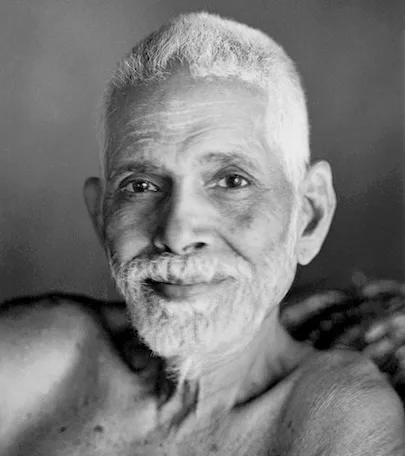
The Inner Quest for Happiness
Ramana Maharshi's assertion that "Happiness is your nature. It is not wrong to desire it. What is wrong is seeking it outside when it is inside" invites us to reconsider our understanding of happiness. This profound statement suggests that happiness is not a distant goal to be chased but rather an intrinsic aspect of our being. The stakes are high; in a world that often equates happiness with external achievements or possessions, we risk losing touch with our true selves and the joy that resides within.
In a society that bombards us with messages about what will make us happy—be it wealth, status, or relationships—Maharshi's words serve as a gentle reminder to turn our gaze inward. The quest for happiness, when misdirected, can lead to a cycle of dissatisfaction and longing. By recognizing that happiness is our inherent nature, we are encouraged to embark on a journey of self-inquiry, peeling back the layers of illusion that obscure our true essence.
The image / the metaphor
At the heart of Maharshi's quote lies a rich tapestry of imagery that evokes the contrast between external pursuits and internal realization. The verbs "seeking" and "desire" suggest an active engagement with the world, yet they also imply a certain futility when directed outward. The metaphor of happiness as something that is "inside" conjures the image of a hidden treasure, waiting to be unearthed rather than acquired. This invites us to explore the depths of our own consciousness, where true happiness resides, untouched by external circumstances.
Diving deeper into this metaphor, we can envision happiness as a wellspring, a source that flows from within us. Just as a river may be dammed or diverted, our access to this inner joy can be obstructed by our attachments and desires for external validation. Maharshi's teaching encourages us to remove the barriers we have constructed, allowing the natural flow of happiness to emerge. This process of unearthing our inherent joy is not merely about passive waiting; it requires active engagement in self-inquiry and a willingness to confront the illusions that cloud our perception.
In the speaker's tradition
Ramana Maharshi's insights are deeply rooted in the tradition of Advaita Vedanta, a non-dual philosophy that emphasizes the unity of the self and the ultimate reality, Brahman. Within this framework, the concept of dharma, or one's true nature, aligns closely with the idea that happiness is intrinsic to our being. The teachings of kenosis, or self-emptying, resonate here as well, suggesting that to experience true happiness, we must relinquish our attachments to the ego and the external world. This journey inward is not merely an intellectual exercise but a profound spiritual practice.
In the context of Maharshi's teachings, we can draw parallels with the Buddhist concept of sunyata, or emptiness, which also points to the idea that our perceptions of happiness are often clouded by attachment and desire. Just as the Buddha taught that suffering arises from craving, Maharshi emphasizes that the pursuit of happiness outside ourselves leads to discontent. In both traditions, the path to liberation involves a deep inquiry into the nature of the self, ultimately revealing that the happiness we seek is already present within us.
Living the teaching
Consider a modern scenario where this teaching resonates: a person tirelessly working to climb the corporate ladder, believing that a promotion or a raise will finally bring them happiness. Despite their achievements, they find themselves feeling unfulfilled and anxious, constantly chasing the next milestone. In this situation, Maharshi's wisdom serves as a poignant reminder that true happiness does not lie in external accolades but in recognizing and nurturing the joy that exists within. By shifting focus from external validation to internal contentment, they can begin to cultivate a more profound sense of fulfillment.
Another application of this teaching can be found in relationships. Often, we seek happiness through the approval or affection of others, believing that our worth is contingent upon their responses. This can lead to a cycle of dependency and disappointment. By embracing Maharshi's insight, we can learn to find happiness within ourselves, allowing our relationships to flourish from a place of wholeness rather than neediness. This shift not only enhances our own well-being but also enriches our connections with others, fostering deeper, more authentic bonds.
A reflection
As we contemplate Maharshi's profound statement, we are invited to ask ourselves: "In what ways am I seeking happiness outside of myself, and how might I turn my attention inward?" This question encourages a deep exploration of our motivations and desires, prompting us to examine the beliefs that shape our understanding of happiness. By engaging in this self-inquiry, we can begin to uncover the layers of illusion that obscure our innate joy, ultimately leading us to a more authentic and fulfilling existence.




Join the BrightStar Community
Stay connected with daily inspiration, event announcements, and community wisdom