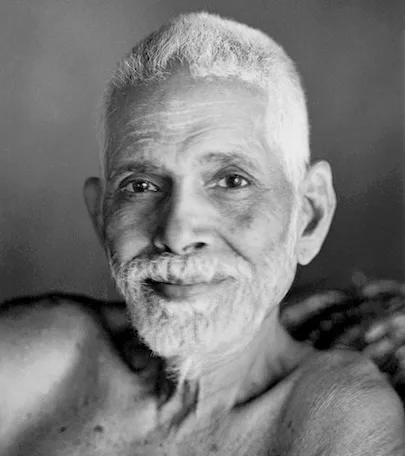
The Profound Dialogue of Silence
Ramana Maharshi's assertion that "Silence is also conversation" invites us to reconsider the nature of communication and presence in our lives. In a world often dominated by noise and distraction, this statement serves as a gentle reminder of the depth that silence can offer. It suggests that true dialogue transcends words, revealing a more profound connection that exists in the stillness between them. This understanding is not merely philosophical; it holds practical implications for how we engage with ourselves and others.
Delving deeper, Maharshi's words challenge us to explore the essence of our interactions. Silence, often perceived as a void, can be a rich tapestry of understanding and empathy. It is in these moments of quietude that we may find clarity, insight, and a deeper resonance with the world around us. By embracing silence as a form of conversation, we open ourselves to a more authentic experience of being, one that honors both our inner landscape and the shared space with others.
The image / the metaphor
The imagery of silence as conversation evokes a sense of intimacy and depth. Silence is not merely the absence of sound; it is a presence, a state of being that communicates on levels beyond verbal exchange. The choice of the word "conversation" implies an active engagement, suggesting that silence is not passive but rather a dynamic force that fosters connection. In this light, silence becomes a canvas upon which the subtleties of human experience can be painted, allowing for a dialogue that is felt rather than spoken.
In the speaker's tradition
Ramana Maharshi's teachings are deeply rooted in the Hindu tradition, particularly in the concepts of self-inquiry and the nature of reality. His emphasis on silence aligns with the idea of "mauna," or the practice of silence, which is often seen as a path to inner peace and self-realization. This practice resonates with the notion of "sunyata," or emptiness, found in Buddhist thought, where silence becomes a space for profound insight and liberation from the distractions of the mind. In this context, silence is not merely the absence of sound but a doorway to the divine, a means of connecting with the essence of being.
In Maharshi's own words, he often pointed to the importance of stillness in the pursuit of self-knowledge. His teachings echo the sentiments found in the Upanishads, where the ultimate truth is described as beyond words and concepts. The "Tat Tvam Asi" (That Thou Art) principle encapsulates this idea, suggesting that the essence of the self is intertwined with the universe, and silence serves as a bridge to this realization. Through silence, we can access a deeper understanding of our true nature and the interconnectedness of all existence.
Living the teaching
Consider a modern scenario where the teaching of silence as conversation can be applied: a busy workplace filled with constant chatter and distractions. In such an environment, taking a moment to pause and embrace silence can transform the dynamics of communication. Instead of contributing to the noise, one might choose to listen deeply, allowing the silence to foster a sense of presence and attentiveness. This practice not only enhances personal clarity but also encourages colleagues to engage in a more meaningful dialogue, creating a culture of respect and understanding.
In the realm of personal relationships, the teaching can manifest during moments of conflict or misunderstanding. Instead of rushing to fill the air with words, embracing silence can provide the space needed for reflection and emotional processing. This pause allows both parties to connect with their feelings and thoughts, leading to a more compassionate and constructive conversation. By recognizing silence as a powerful form of communication, we can navigate difficult moments with grace and empathy, ultimately deepening our connections with others.
A reflection
As we contemplate Ramana Maharshi's profound insight that "Silence is also conversation," we are invited to reflect on our own relationship with silence. How often do we allow ourselves to sit in stillness, both within and around us? In what ways can we cultivate silence as a means of deepening our connections with ourselves and others? This contemplation encourages us to explore the transformative power of silence in our lives, inviting us to listen more deeply and engage more authentically.




Join the BrightStar Community
Stay connected with daily inspiration, event announcements, and community wisdom