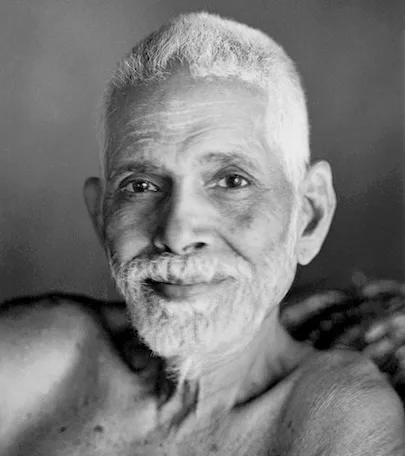
The Art of Surrender: Embracing Our True Essence
Ramana Maharshi's profound assertion, "Surrender is to give oneself up to the original cause of one's being," invites us to explore the depths of our existence and the essence of our true selves. This quote encapsulates a transformative journey, urging us to relinquish the ego and its myriad attachments in favor of a deeper connection with the source of our being. In a world often characterized by striving and resistance, the act of surrender emerges as a radical yet essential practice for spiritual awakening and inner peace.
To surrender, as Maharshi suggests, is not merely to submit or yield; it is an invitation to return to the original state of unity from which we all emerge. This journey of surrender is a profound act of trust, a letting go of the illusion of control that the ego clings to so fiercely. It beckons us to recognize that our true nature is not separate from the universe but is intricately woven into the fabric of existence itself. In this light, surrender becomes a pathway to liberation, allowing us to transcend the limitations of the self and embrace the boundless potential of our being.
The image / the metaphor
The imagery in Maharshi's quote evokes a sense of returning home, a relinquishing of the burdens we carry as we navigate through life. The phrase "give oneself up" suggests a voluntary act, a conscious choice to release the tightly held narratives of the self. This act of surrender is not passive; rather, it is an active engagement with the essence of who we are, a recognition that our true identity lies beyond the confines of the ego. The "original cause of one's being" serves as a reminder that we are not merely products of our circumstances but are rooted in a deeper, universal source.
In the speaker's tradition
Ramana Maharshi's teachings are deeply rooted in the Advaita Vedanta tradition, which emphasizes non-duality and the unity of the self with the absolute. Concepts such as *dharma*, the inherent duty or righteousness, and *bhakti*, the path of devotion, intertwine with the notion of surrender. In this context, surrender is not an abandonment of responsibility but a profound alignment with one's true purpose and the divine will. The act of surrendering to the original cause of our being aligns with the idea of *kenosis*, or self-emptying, found in various spiritual traditions, where the relinquishing of the self leads to a fuller realization of the divine presence within.
In the *Upanishads*, a foundational text in Hindu philosophy, we find echoes of Maharshi's teaching in the exploration of *Brahman*, the ultimate reality. The *Chandogya Upanishad* speaks of the interconnectedness of all beings, asserting that the essence of the individual self (*atman*) is one with the universal consciousness. This profound realization invites us to surrender our limited perceptions and embrace the expansive nature of our true selves. Maharshi's call to surrender resonates with this ancient wisdom, urging us to recognize that our journey is not merely personal but a return to the collective essence of existence.
Living the teaching
Consider a modern scenario where the teaching of surrender becomes particularly relevant: the experience of facing a significant life change, such as a job loss or the end of a relationship. In such moments, the instinct may be to resist, to cling to the familiar, and to fight against the currents of change. However, embracing Maharshi's teaching invites us to surrender to the unfolding of life, to trust that this loss may lead to new opportunities for growth and self-discovery. By letting go of our attachment to the past, we open ourselves to the possibility of transformation and renewal.
In the realm of relationships, surrender can manifest as a willingness to let go of the need to control or manipulate outcomes. Imagine a situation where a loved one is struggling, and the instinct is to offer solutions or advice. Surrendering in this context means allowing space for the other person to navigate their own journey, trusting that they will find their way. This act of surrender fosters deeper connections, as it acknowledges the autonomy of the other while simultaneously recognizing our shared humanity. In both scenarios, the practice of surrender becomes a powerful tool for cultivating compassion, resilience, and a deeper understanding of our interconnectedness.
A reflection
As we contemplate Ramana Maharshi's profound invitation to surrender, we are called to reflect on our own lives and the areas where we may be clinging too tightly. What does it mean for you to give yourself up to the original cause of your being? In what ways can you practice surrender in your daily life, allowing the flow of existence to guide you rather than resisting it? This contemplation invites us to explore the delicate balance between action and surrender, ultimately leading us to a deeper understanding of our true selves and our place within the universe.




Join the BrightStar Community
Stay connected with daily inspiration, event announcements, and community wisdom