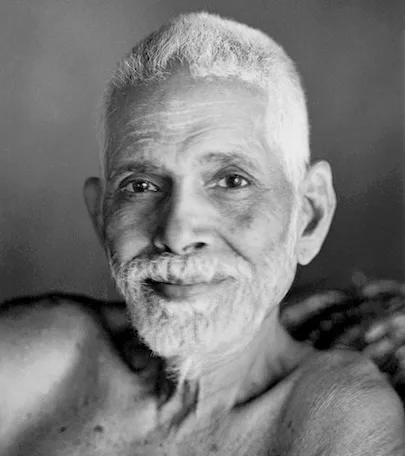
The Art of Surrender: Embracing the Divine Flow
Ramana Maharshi invites us into a profound relationship with the divine through his words: "Surrender to him and abide by his will, whether he appears or vanishes; await his pleasure." This quote encapsulates the essence of surrender, urging us to relinquish our tight grip on control and to trust in a higher power. In a world that often prioritizes autonomy and self-determination, the act of surrender can feel daunting, yet it is precisely this act that opens the door to deeper spiritual fulfillment and connection.
To surrender is not merely to give up; it is to engage in a dynamic relationship with the divine, characterized by patience and trust. Maharshi's invitation to "await his pleasure" suggests a state of being that transcends our immediate desires and anxieties. It calls us to cultivate a sense of inner stillness, where we can remain open to the unfolding of life as it is meant to be, rather than how we wish it to be. This teaching resonates deeply in our contemporary lives, where the pressures of achievement and success can overshadow our spiritual journeys.
The image / the metaphor
The imagery in Maharshi's quote evokes a sense of surrender that is both gentle and profound. The verbs "surrender" and "abide" suggest a deep, abiding trust in the divine presence, whether it is manifest or hidden. The phrase "whether he appears or vanishes" speaks to the transient nature of our experiences with the divine, reminding us that spiritual connection may not always be palpable. This duality of presence and absence invites us to cultivate a steadfastness in our faith, regardless of the circumstances we face.
In the speaker's tradition
Ramana Maharshi's teachings are deeply rooted in the Hindu tradition, particularly in the concepts of bhakti (devotion) and prajna (wisdom). Surrendering to the divine aligns with the path of bhakti, where the devotee relinquishes personal desires in favor of a deeper connection with the divine will. This act of surrender is akin to the concept of kenosis found in other spiritual traditions, where one empties oneself to be filled with divine presence. In this light, surrender is not a loss of self but a transformation into a more expansive state of being.
In the Bhagavad Gita, a key text in Hindu philosophy, Lord Krishna advises Arjuna to surrender his ego and act according to divine will. This echoes Maharshi's teaching, as both emphasize the importance of aligning one's actions with a higher purpose. The Gita teaches that true freedom arises not from the pursuit of personal desires but from surrendering to the divine order, thus allowing us to navigate life with grace and wisdom.
Living the teaching
Consider a modern scenario where this teaching might resonate: a person grappling with a career transition. Faced with uncertainty and fear of the unknown, they might feel compelled to cling to their current job for security. However, by practicing the art of surrender as Maharshi suggests, they can learn to trust the process, allowing themselves to explore new opportunities without the weight of anxiety. This shift in perspective can transform their experience, enabling them to embrace change as a natural part of their spiritual journey.
In relationships, the teaching of surrender can also be transformative. Imagine a couple facing a significant challenge, such as differing life goals. Instead of forcing their desires onto each other, they can practice surrender by listening deeply and remaining open to the possibility that their paths may diverge or converge in unexpected ways. By awaiting each other's pleasure and honoring the divine flow in their relationship, they cultivate a deeper connection rooted in trust and understanding, rather than fear and control.
A reflection
As we contemplate Ramana Maharshi's invitation to surrender, we might ask ourselves: What does it mean for me to surrender to the divine in my life? In what areas do I find myself resisting the flow of life, and how might I cultivate a sense of patience and trust? These questions invite us to reflect on our relationship with the divine and to explore the transformative power of surrender in our daily experiences.




Join the BrightStar Community
Stay connected with daily inspiration, event announcements, and community wisdom