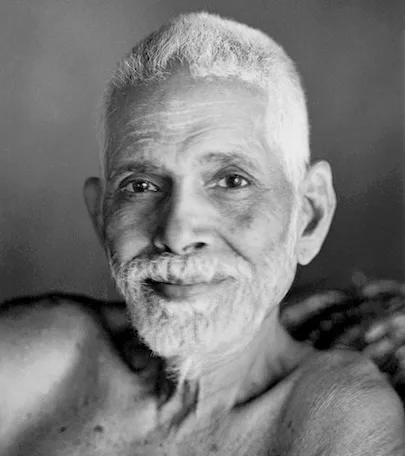
The Eternal Self Amidst the Impermanent
In the profound words of Ramana Maharshi, "The body is composed of the five elements; it is destined to perish. But you are eternal." This statement encapsulates a fundamental truth about human existence: while our physical forms are temporary and subject to decay, our true essence transcends the limitations of the material world. Understanding this distinction is crucial for navigating the complexities of life, as it invites us to explore the deeper layers of our identity beyond the ephemeral nature of the body.
As we delve into Maharshi's insight, we are confronted with the stark reality of mortality and the transient nature of our physical existence. The body, a vessel made from the elements of earth, water, fire, air, and space, is destined to return to the cosmos. Yet, the essence of who we are—the eternal self—remains untouched by the passage of time. This dichotomy between the perishable and the eternal serves as a poignant reminder to cultivate awareness of our true nature, encouraging us to seek a deeper understanding of existence beyond mere physicality.
The image / the metaphor
The imagery in Maharshi's quote evokes a vivid understanding of the human condition. The reference to the "five elements" conjures a sense of interconnectedness with the universe, grounding our existence in the natural world. The verbs "composed" and "destined" suggest a sense of inevitability, highlighting the transient nature of the body while simultaneously affirming the enduring quality of the self. This juxtaposition invites contemplation on the relationship between the physical and the spiritual, urging us to recognize the impermanence of our corporeal form.
Diving deeper into the metaphor, we can perceive the body as a temporary garment that we wear during our earthly journey. Just as a garment may fray and fade, so too does the body age and eventually perish. However, the self—the true essence of our being—remains constant and unchanging, akin to the fabric of existence itself. This metaphor serves as a powerful reminder that while we may experience the trials and tribulations of life through our physical form, our true identity is rooted in a timeless reality that transcends the limitations of the material world.
In the speaker's tradition
Ramana Maharshi's teachings are deeply embedded in the rich tapestry of Hindu philosophy, particularly in the context of Advaita Vedanta, which emphasizes non-duality and the unity of the self with the ultimate reality, Brahman. Concepts such as dharma, the moral order of the universe, and prajna, or wisdom, resonate with Maharshi's assertion of the eternal self. The notion of kenosis, or self-emptying, also finds relevance here, as it encourages the relinquishing of attachment to the body and the material world in favor of a deeper connection to the eternal self.
In the Upanishads, ancient texts that explore the nature of reality and the self, we find echoes of Maharshi's insights. The Chandogya Upanishad, for instance, speaks of the eternal Atman, the true self that is beyond birth and death. This alignment with the teachings of the Upanishads reinforces the idea that while the body is subject to decay, the essence of who we are is eternal and unchanging, inviting us to engage in a lifelong quest for self-realization and understanding.
Living the teaching
Consider a modern scenario where this teaching resonates: a person grappling with the loss of a loved one. In the midst of grief, the realization that the physical body is transient can provide solace. While the pain of loss is palpable, understanding that the essence of the departed remains eternal can shift the perspective from one of despair to one of connection. This awareness allows for a deeper appreciation of the love shared, transcending the limitations of physical separation.
In another context, imagine a challenging moment in a relationship where misunderstandings arise. By recognizing that both partners are more than their physical forms and emotional reactions, they can approach the situation with compassion and understanding. This perspective encourages a dialogue rooted in the eternal self, fostering healing and connection rather than division. By embodying this teaching, individuals can cultivate a sense of peace and resilience, even amidst the trials of daily life.
A reflection
As we contemplate Maharshi's profound words, we are invited to reflect on our own understanding of self and existence. How often do we identify solely with our physical bodies and the roles we play in the world? In what ways can we deepen our awareness of the eternal self that lies within us, transcending the impermanence of our material experiences? This contemplation can serve as a guiding light on our journey toward self-realization and a deeper connection with the universe.




Join the BrightStar Community
Stay connected with daily inspiration, event announcements, and community wisdom