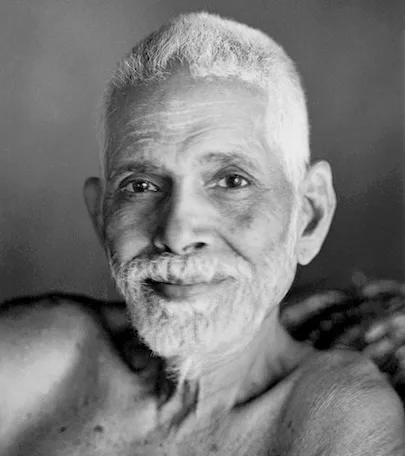
The Illusion of Separation: Embracing the Unity of the Self
In the profound words of Ramana Maharshi, "The Self is unity. There is no me and thou in the Self." This statement invites us to explore the essence of our being, suggesting that the perceived divisions between individuals are mere illusions. Understanding this unity is not only a philosophical endeavor but a transformative journey that can reshape our relationships and our understanding of existence itself. The stakes are high; recognizing our interconnectedness can lead to profound peace and compassion in a world often marked by division and conflict.
As we delve deeper into this quote, we uncover layers of meaning that challenge our conventional perceptions of selfhood. Maharshi's assertion compels us to question the very nature of identity and separateness. In a society that often emphasizes individuality and personal achievement, this teaching serves as a gentle reminder that our true essence transcends the boundaries of the ego. By embracing the idea of unity, we can cultivate a sense of belonging that is rooted in the universal fabric of existence, fostering a deeper connection with ourselves and others.
The image / the metaphor
At its core, Maharshi's quote evokes a powerful image of wholeness, where the Self is not fragmented into distinct entities but exists as a singular, unified presence. The choice of the words "me" and "thou" highlights the duality that often governs our interactions and perceptions. This duality creates a sense of separation, leading us to believe in the existence of an 'other' that is fundamentally different from ourselves. The felt sense of this teaching is one of liberation; it invites us to dissolve the barriers we erect between ourselves and the world, revealing the interconnectedness that lies beneath the surface.
Diving deeper into the metaphor, we can envision the Self as an ocean, vast and encompassing, while the individual identities we cling to are akin to waves that rise and fall upon its surface. Each wave, while distinct in its form and movement, is ultimately part of the same body of water. This imagery serves as a poignant reminder that our individuality is transient and illusory, while our essence remains constant and unified. By recognizing ourselves as waves within the ocean of existence, we can begin to appreciate the beauty of our interconnectedness and the shared experience of life.
In the speaker's tradition
Ramana Maharshi's teachings are deeply rooted in the Advaita Vedanta tradition, which emphasizes non-duality and the oneness of existence. Concepts such as *dharma* (righteous duty) and *bhakti* (devotion) find new meaning when viewed through the lens of unity. In this framework, the realization of the Self as unity is not merely an intellectual exercise but a spiritual awakening that leads to *moksha*, or liberation from the cycle of birth and death. The notion of *kenosis*, or self-emptying, resonates here, as it encourages us to let go of our ego-driven identities to experience the fullness of our true nature.
In the context of sacred texts, the *Upanishads* offer profound insights into the nature of the Self. For instance, the *Chandogya Upanishad* states, "Tat Tvam Asi," meaning "That Thou Art," which echoes Maharshi's message of unity. This ancient wisdom reinforces the idea that the individual self is not separate from the universal consciousness, inviting seekers to explore the depths of their being and recognize their inherent connection to all that exists. Such teachings serve as a guiding light for those on the path of self-realization, illuminating the way toward a deeper understanding of unity.
Living the teaching
Consider a modern scenario where this teaching can be applied: a workplace filled with competition and rivalry. In such an environment, individuals often see each other as adversaries, driven by personal ambition and the desire for recognition. However, when we embrace the idea that "the Self is unity," we can shift our perspective. Instead of viewing colleagues as threats to our success, we can recognize them as fellow travelers on the same journey, each contributing to the collective goal. This shift fosters collaboration, empathy, and a sense of community, transforming the workplace into a space of shared purpose and mutual support.
Another application of this teaching can be found in personal relationships, particularly during conflicts. When disagreements arise, it is easy to become entrenched in the notion of "me versus you," leading to defensiveness and disconnection. By remembering Maharshi's insight, we can approach these moments with a sense of compassion and understanding. Recognizing that the essence of both parties is rooted in the same unified Self allows us to transcend the immediate conflict and seek resolution from a place of love and connection. This practice not only deepens our relationships but also nurtures our own spiritual growth.
A reflection
As we contemplate the profound wisdom of Ramana Maharshi's words, we are invited to reflect on our own experiences of separation and unity. In what areas of your life do you still cling to the illusion of duality? How might embracing the concept of unity transform your relationships and your understanding of yourself? Allow these questions to guide your contemplation, opening the door to a deeper exploration of the Self and the interconnectedness that binds us all.




Join the BrightStar Community
Stay connected with daily inspiration, event announcements, and community wisdom