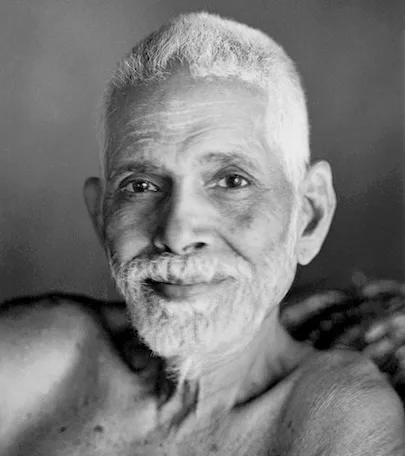
The Unmasking of Self: Embracing Authentic Being
In the profound assertion by Ramana Maharshi, "Whatever a person may try to be, he cannot but be himself," we encounter a deep truth about the nature of existence and identity. This statement invites us to reflect on the often tumultuous journey of self-discovery, where the masks we wear in society can obscure our true essence. The stakes are high, as the quest for authenticity is not merely a personal endeavor but a spiritual imperative that resonates through the ages. To understand this quote is to embark on a journey toward self-realization, where the essence of who we are is revealed beyond the façades we construct.
Delving deeper, we recognize that Maharshi's words speak to the universal struggle of individuals caught between societal expectations and their intrinsic nature. In a world that often pressures us to conform, the challenge lies in peeling away the layers of conditioning to uncover the authentic self. This process is not merely an intellectual exercise; it is a profound spiritual awakening that requires courage and introspection. By acknowledging that we cannot escape our true selves, we are invited to embrace our unique identities and the inherent value they hold in the tapestry of existence.
The image / the metaphor
The imagery within Maharshi's quote evokes a sense of inevitability and authenticity. The phrase "whatever a person may try to be" suggests a struggle against the currents of life, where individuals often find themselves adrift in a sea of expectations. The verb "try" implies effort and striving, yet it is juxtaposed with the unwavering truth that one "cannot but be himself." This duality captures the essence of human experience: the tension between aspiration and reality, between the masks we wear and the core of our being.
In the speaker's tradition
Ramana Maharshi's teachings are deeply rooted in the Advaita Vedanta tradition, which emphasizes the non-duality of self and the ultimate reality. Concepts such as *Atman* (the true self) and *Brahman* (the ultimate reality) are central to understanding his perspective. The idea that one cannot escape their true nature aligns with the notion of *dharma*, which refers to the inherent duty and nature of an individual. In this context, Maharshi's assertion becomes a call to align with one's *dharma*, recognizing that the essence of being is not separate from the universe but is, in fact, a manifestation of it.
Furthermore, Maharshi's teachings resonate with the Buddhist concept of *sunyata*, or emptiness, which suggests that the self is not a fixed entity but a fluid and dynamic process. This perspective encourages individuals to let go of rigid identities and embrace the impermanence of existence. In the *Upanishads*, we find echoes of this wisdom, where the quest for self-knowledge is portrayed as the highest pursuit, leading to liberation from the illusions of separateness. Thus, Maharshi's quote serves as a bridge between these profound traditions, inviting seekers to explore the depths of their being.
Living the teaching
Consider a modern scenario where an individual feels trapped in a career that does not resonate with their true passions. Despite societal pressures to conform to a certain professional identity, they grapple with a growing sense of discontent. In this context, Maharshi's teaching becomes a guiding light, urging them to reflect on their authentic self and the values that truly matter. By acknowledging their dissatisfaction and embracing their unique talents, they can begin to carve a path that aligns with their true essence, ultimately leading to a more fulfilling life.
In relationships, this teaching can manifest in the way we interact with others. Imagine a person who feels compelled to present a curated version of themselves to gain acceptance or approval. Maharshi's wisdom invites them to drop the pretense and engage with others from a place of authenticity. This shift not only fosters deeper connections but also encourages those around them to embrace their true selves. In moments of vulnerability, we find the strength to be ourselves, creating a space where genuine relationships can flourish.
A reflection
As we contemplate Maharshi's profound assertion, we are left with a contemplative question: In what ways have I masked my true self to fit into the expectations of others? This inquiry invites us to explore the layers of our identity and consider how we might begin to peel them away. By engaging with this question, we open ourselves to the possibility of living more authentically, embracing the unique essence that each of us brings to the world.




Join the BrightStar Community
Stay connected with daily inspiration, event announcements, and community wisdom