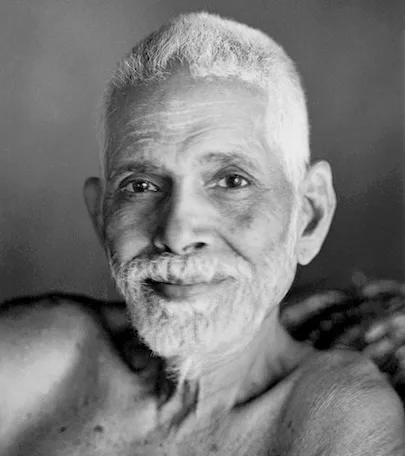
The Wisdom of Presence: Embracing the Now
Ramana Maharshi's poignant inquiry, "Why should you worry yourself about the future? You do not even properly know about the present," invites us to reflect deeply on our relationship with time and awareness. In a world that often prioritizes future aspirations and anxieties, this quote serves as a gentle reminder of the importance of grounding ourselves in the present moment. The stakes are high; our incessant worry about what lies ahead can rob us of the richness of our current experiences, leading to a life half-lived.
This teaching resonates profoundly in our fast-paced society, where distractions abound and the future looms large in our minds. Maharshi's words challenge us to confront the reality of our existence: that the present moment is the only time we truly possess. By recognizing our ignorance of the present, we are invited to cultivate a deeper awareness, one that fosters wisdom and peace. This contemplation is not merely philosophical; it is a practical guide to living a more fulfilled life.
The image / the metaphor
At first glance, Maharshi's quote presents a stark contrast between the future and the present, encapsulating a tension that many of us feel. The verbs "worry" and "know" evoke a sense of urgency and responsibility, suggesting that our preoccupation with what is to come distracts us from fully engaging with what is. The imagery of being lost in thought about the future while neglecting the present moment creates a vivid picture of our human condition, where anxiety often overshadows clarity.
In the speaker's tradition
Ramana Maharshi's teachings are deeply rooted in the Hindu tradition, particularly in the concepts of self-inquiry and the nature of reality. His emphasis on presence aligns with the idea of *dharma*, or living in accordance with one's true nature. The practice of self-inquiry, or *atma vichara*, encourages individuals to turn their attention inward, fostering a profound understanding of the self that transcends temporal concerns. This inward journey is essential for realizing the interconnectedness of all beings and the impermanence of worldly attachments.
In the context of Hindu philosophy, Maharshi's insights resonate with the notion of *sunyata*, or emptiness, which suggests that our fixation on the future is rooted in a misunderstanding of reality. The *Bhagavad Gita* speaks to this as well, urging us to focus on our actions in the present rather than being consumed by the fruits of our labor. By anchoring ourselves in the present, we align with our true purpose and cultivate a sense of peace that transcends the chaos of life.
Living the teaching
Consider a modern scenario where this teaching finds relevance: a professional grappling with the pressures of career advancement. As deadlines loom and expectations mount, the individual may find themselves consumed by anxiety about future performance and success. In this state, the richness of their current work experience is overshadowed by worry, leading to diminished creativity and fulfillment. By embracing Maharshi's teaching, this person can shift their focus to the present moment, engaging fully with their tasks and allowing their innate abilities to flourish.
Another application of this wisdom can be found in personal relationships. Imagine a couple navigating the complexities of their partnership, often preoccupied with fears about the future—questions of commitment, stability, and shared goals. This anxiety can create distance and misunderstanding, preventing genuine connection. By grounding themselves in the present, they can cultivate deeper intimacy, appreciating each moment together without the weight of future uncertainties. This practice of presence fosters a loving environment where both partners can thrive.
A reflection
As we contemplate Maharshi's profound words, we are invited to ask ourselves: "In what ways do I allow worries about the future to overshadow my experience of the present?" This question encourages us to engage in self-reflection, examining the patterns of our thoughts and behaviors. By bringing awareness to our tendency to dwell on what is yet to come, we can begin to cultivate a more mindful existence, one that honors the beauty of the now and the wisdom it holds.




Join the BrightStar Community
Stay connected with daily inspiration, event announcements, and community wisdom