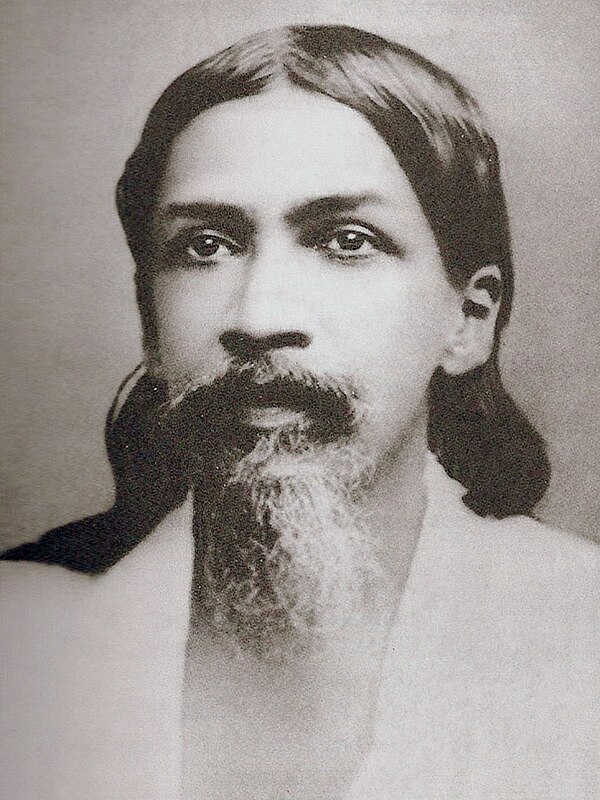
The Journey of Becoming: Embracing Our Transitional Nature
Sri Aurobindo's assertion that "Man is a transitional being. He is not final" invites us to reflect on the essence of human existence as a continuous journey rather than a static state. This profound insight challenges the notion of finality in our lives, urging us to recognize that we are perpetually evolving, shaped by our experiences, aspirations, and the unfolding of consciousness. Understanding this perspective is crucial, as it encourages us to embrace change and growth, fostering a deeper connection with our true selves and the universe.
In a world that often emphasizes fixed identities and definitive outcomes, Aurobindo's words serve as a reminder that our lives are not merely a series of achievements or failures but rather a dynamic process of becoming. This perspective invites us to cultivate a mindset of openness and curiosity, allowing us to navigate the complexities of life with grace. By acknowledging our transitional nature, we can find solace in the journey itself, recognizing that each moment holds the potential for transformation and deeper understanding.
The image / the metaphor
The imagery embedded in Aurobindo's quote evokes a sense of fluidity and movement, suggesting that human existence is akin to a river, ever-flowing and changing course. The term "transitional" implies a state of flux, where individuals are not confined to a singular identity or purpose but are instead in a constant state of evolution. The verb "is" in this context serves as a reminder that our current state is not our final destination; it is merely a waypoint on a much larger journey.
Diving deeper into the metaphor, we can envision ourselves as caterpillars in the process of metamorphosis, inching toward the potential of becoming butterflies. This transformation is not instantaneous; it requires patience, introspection, and the willingness to shed old skins. The transitional nature of humanity, as Aurobindo suggests, is a call to embrace the discomfort of change, recognizing that it is through this process that we uncover our true essence and potential.
In the speaker's tradition
Sri Aurobindo's philosophy is deeply rooted in the Hindu tradition, where concepts such as dharma (righteous duty), bhakti (devotion), and the evolution of consciousness play pivotal roles. The idea of being a transitional being resonates with the notion of dharma, which emphasizes the importance of fulfilling one's purpose while remaining open to the evolving nature of existence. This aligns with the spiritual practice of kenosis, or self-emptying, where one relinquishes fixed identities to allow for greater spiritual growth and transformation.
Moreover, Aurobindo's perspective can be compared to the Buddhist concept of sunyata, or emptiness, which teaches that all phenomena are transient and interconnected. In this light, the recognition of our transitional nature becomes a pathway to liberation, as we learn to detach from rigid definitions of self and embrace the fluidity of existence. Texts such as the Bhagavad Gita echo this sentiment, where the emphasis on self-realization and the pursuit of higher consciousness underscores the importance of recognizing our evolving nature.
Living the teaching
Consider a modern scenario where an individual faces a career transition, perhaps moving from a stable job to pursuing a passion that feels uncertain. In this moment, Aurobindo's teaching becomes a guiding light, encouraging the individual to embrace the transition as an opportunity for growth rather than a source of anxiety. By recognizing that they are not defined by their previous role, they can approach this new chapter with curiosity and openness, allowing their true self to emerge in the process.
In relationships, the concept of being a transitional being can also manifest profoundly. Imagine a couple navigating a challenging period, where misunderstandings and conflicts arise. Aurobindo's insight invites them to view this phase not as a final verdict on their relationship but as a transitional moment that holds the potential for deeper understanding and connection. By embracing the idea that they are both evolving individuals, they can approach their challenges with compassion and a willingness to grow together, rather than allowing fear of finality to dictate their actions.
A reflection
As we contemplate Aurobindo's assertion that "Man is a transitional being. He is not final," we are invited to reflect on our own lives and the ways in which we resist or embrace change. What aspects of your identity or circumstances are you holding onto that may no longer serve your growth? In recognizing the fluidity of your existence, how might you open yourself to new possibilities and transformations that await you on your journey?






Join the BrightStar Community
Stay connected with daily inspiration, event announcements, and community wisdom