Beyond Words: The Essence of Spiritual Practice
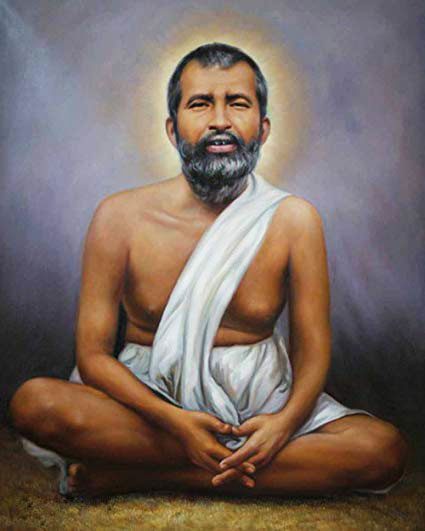
Sri Ramakrishna's poignant observation reveals a profound truth about the nature of spirituality: while many may speak extensively about religion, few embody its principles in their daily lives. He contrasts the empty rhetoric of the common man with the quiet, yet powerful, expression of faith through action by the wise. This distinction is crucial, as it underscores the importance of authenticity in spiritual practice, suggesting that true wisdom lies not in verbal declarations but in the lived experience of one’s beliefs.
In a world increasingly filled with noise and distraction, Ramakrishna's words invite us to reflect on the depth of our own spiritual engagement. Are we merely echoing the teachings of others, or are we actively integrating these lessons into our lives? The challenge he presents is not just to speak of spirituality but to embody it, to let our actions resonate with our beliefs. This call to authenticity is a timeless reminder that the essence of spirituality is found in practice, humility, and the genuine expression of our inner truths.
The image / the metaphor
The imagery in Ramakrishna's quote is striking: the "bagfuls of religion" conjures a vision of abundance, yet it is filled with emptiness. The common man, laden with words and doctrines, fails to grasp the essence of spirituality, which is not about quantity but quality. In contrast, the wise man, who speaks little, embodies the very heart of religion through his actions. This juxtaposition highlights the disparity between superficial knowledge and profound understanding, suggesting that true wisdom is often silent and subtle.
Diving deeper into the metaphor, we see that the "grain" of practice symbolizes the essence of spiritual truth. Just as a single grain can yield a bountiful harvest when nurtured, so too can a small act of genuine faith lead to profound transformation. The wise man's life, described as "religion expressed in action," serves as a reminder that spirituality is not merely a theoretical construct but a lived reality. It is in the quiet moments of compassion, humility, and integrity that the true spirit of religion flourishes.
In the speaker's tradition
Within the rich tapestry of Hindu philosophy, Ramakrishna's insights resonate deeply with concepts such as dharma and bhakti. Dharma, or righteous living, emphasizes the importance of aligning one's actions with ethical and spiritual principles. Similarly, bhakti, the path of devotion, encourages a heartfelt connection to the divine that transcends mere words. Ramakrishna's emphasis on action reflects the essence of these teachings, reminding us that true devotion is manifested through our choices and behaviors, not just our verbal affirmations.
Moreover, this idea finds echoes in the teachings of the Bhagavad Gita, where Krishna advises Arjuna to act according to his dharma without attachment to the fruits of his actions. This notion of selfless action, or karma yoga, aligns seamlessly with Ramakrishna's assertion that the wise man lives his religion through action. By situating Ramakrishna's quote within this broader context, we see that the call to practice is not an isolated teaching but a fundamental aspect of the spiritual journey in Hindu thought.
Living the teaching
Consider a modern scenario where this teaching might resonate: a workplace filled with discussions about ethical practices and corporate responsibility. Many employees may engage in conversations about the importance of integrity and social justice, yet few may take the initiative to implement changes that reflect these values. In this context, Ramakrishna's wisdom serves as a gentle nudge, urging individuals to move beyond mere talk and to embody their principles through tangible actions, whether that means advocating for ethical practices or supporting community initiatives.
In personal relationships, this teaching can manifest in the way we communicate and connect with others. It is easy to express love and support through words, but the challenge lies in demonstrating that love through our actions. When faced with a difficult moment, such as a conflict with a loved one, the wise person remembers that their commitment to the relationship is best expressed through patience, understanding, and forgiveness. By embodying these qualities, we not only honor our relationships but also live out the essence of spirituality that Ramakrishna so eloquently described.
A reflection
As we contemplate Ramakrishna's profound words, we are invited to examine our own lives: Are we speaking of our beliefs, or are we living them? In what ways can we transform our understanding of spirituality into actionable expressions of love, compassion, and integrity? This reflection challenges us to consider how we might cultivate a deeper authenticity in our spiritual practice, moving beyond words to embody the very essence of our beliefs in every aspect of our lives.




Join the BrightStar Community
Stay connected with daily inspiration, event announcements, and community wisdom