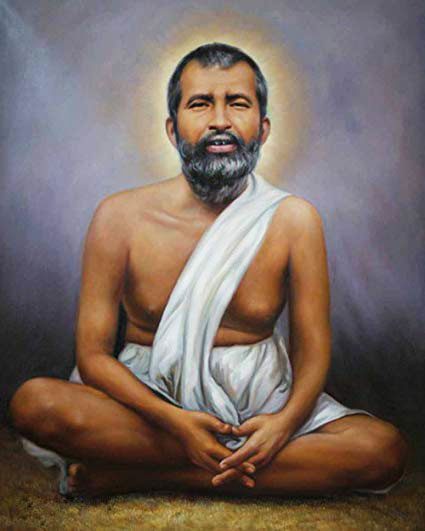
The Divine Presence Within and the Human Condition
Sri Ramakrishna's poignant assertion, "God is in all men, but all men are not in God; that is why we suffer," invites us to explore the profound relationship between the divine and the human experience. In essence, he suggests that while the essence of divinity resides within every individual, many remain disconnected from this inner truth, leading to suffering. This disconnection manifests in various forms—emotional turmoil, existential angst, and a pervasive sense of isolation. Understanding this dynamic is crucial for anyone seeking to navigate the complexities of life with greater awareness and compassion.
Delving deeper, we recognize that this quote encapsulates a fundamental tension in the human experience: the struggle to realize our inherent divinity amidst the distractions and challenges of daily life. The phrase "all men are not in God" highlights a state of being that is often marked by ignorance or forgetfulness of our true nature. This disconnection is not merely a philosophical concept; it has real implications for our relationships, our sense of purpose, and our overall well-being. By acknowledging this truth, we open ourselves to the possibility of transformation and healing.
The image / the metaphor
The imagery in Ramakrishna's quote evokes a duality that is both striking and illuminating. The notion that "God is in all men" suggests an omnipresent divine essence, a spark of the sacred that resides within each individual. This idea resonates with the Hindu concept of Atman, the inner self or soul, which is ultimately one with Brahman, the universal consciousness. The verbs chosen—"is" and "are not"—imply a state of being that is both inherent and yet often unacknowledged, creating a poignant contrast between potential and realization.
Going deeper into the metaphor, we can see that the phrase "all men are not in God" speaks to the human condition of separation and longing. It suggests a journey, one that requires introspection and effort to bridge the gap between our everyday existence and our divine essence. This journey is not merely about belief or intellectual understanding; it is a lived experience that calls for a deep engagement with our inner selves and the world around us. The suffering that arises from this disconnection serves as a catalyst for spiritual awakening, urging us to seek a more profound connection with the divine.
In the speaker's tradition
Within the rich tapestry of Hindu philosophy, Sri Ramakrishna's insights resonate with several key concepts. The idea of divine presence aligns with the notion of bhakti, or devotion, which emphasizes the importance of recognizing and nurturing the divine within ourselves and others. This recognition is essential for fulfilling one's dharma, or duty, as it fosters compassion and understanding in our interactions. Furthermore, the concept of kenosis, or self-emptying, invites us to let go of our ego-driven desires, allowing the divine presence to manifest more fully in our lives.
Ramakrishna's teachings also echo the wisdom found in texts such as the Bhagavad Gita, where the interplay between the individual soul and the universal spirit is explored. In Chapter 10, Krishna reveals his divine manifestations, reminding Arjuna that recognizing the divine in all beings is crucial for spiritual growth. This recognition fosters a sense of unity and interconnectedness, urging us to transcend our limited perspectives and embrace the divine essence that binds us all.
Living the teaching
Consider a modern scenario where this teaching might resonate: a workplace filled with tension and competition. In such an environment, individuals may become so focused on personal success that they lose sight of the shared humanity among their colleagues. By recognizing that "God is in all men," one can cultivate empathy and compassion, transforming the workplace into a space of collaboration and support. This shift in perspective not only alleviates personal suffering but also fosters a sense of community and shared purpose.
Another application of this teaching can be found in personal relationships, particularly during conflicts. When faced with disagreements, it is easy to forget the divine essence within the other person, leading to resentment and misunderstanding. By consciously reminding ourselves that the same divine spark resides in both parties, we can approach the situation with greater patience and love. This practice of seeing the divine in others not only helps to resolve conflicts but also deepens our connections, allowing for more meaningful and harmonious relationships.
A reflection
As we contemplate Sri Ramakrishna's profound words, we are invited to reflect on our own lives: In what ways do I disconnect from the divine presence within myself and others? This question encourages us to examine our thoughts, actions, and relationships, prompting a deeper inquiry into how we might cultivate a more profound awareness of the divine in our daily lives. By embracing this exploration, we can begin to alleviate our suffering and foster a more compassionate existence.




Join the BrightStar Community
Stay connected with daily inspiration, event announcements, and community wisdom