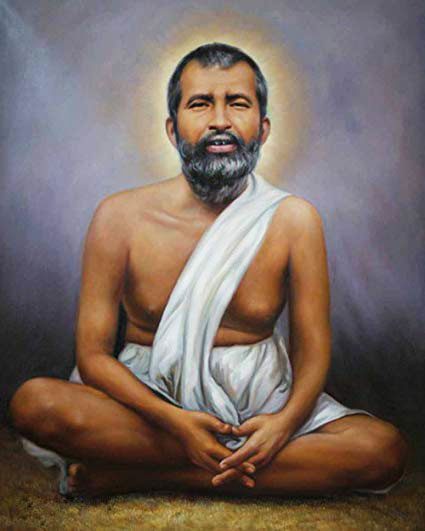
The Essence of Devotion: A Journey to Completion
In the profound words of Sri Ramakrishna, "He who has true devotion has nothing more to do." This statement encapsulates the essence of spiritual fulfillment, suggesting that genuine devotion transcends the need for further action or striving. It invites us to consider what it means to truly devote ourselves to a higher purpose or divine presence, and how such devotion can lead to a state of completion and peace. In a world often characterized by relentless pursuit and ambition, this teaching offers a refreshing perspective on the nature of spiritual life.
To delve deeper into this quote, we must recognize that true devotion is not merely an act of worship or a series of rituals; it is an all-encompassing state of being. When one embodies true devotion, the incessant striving for external validation or achievement dissolves. This state of surrender and acceptance allows individuals to experience a profound sense of unity with the divine, leading to an inner tranquility that is often elusive in our busy lives. Thus, the quote serves as a reminder that the journey of spirituality is not about doing more, but about being fully present in our devotion.
The image / the metaphor
At first glance, the imagery in Sri Ramakrishna's quote evokes a sense of simplicity and clarity. The phrase "true devotion" suggests a purity of intention, while "nothing more to do" implies a cessation of effort. This can be visualized as a river flowing effortlessly toward the ocean, where the river's journey culminates in a harmonious union with the vastness of the sea. The verbs chosen—"has" and "to do"—indicate a state of being rather than doing, emphasizing the importance of inner experience over external actions.
Diving deeper into the metaphor, we can see that true devotion is akin to a flower blooming in its own time, without the need for external validation or recognition. It flourishes in the warmth of love and surrender, embodying the essence of bhakti, or devotional love. In this light, the quote invites us to reflect on the nature of our own devotion: Are we seeking to prove ourselves through our actions, or are we allowing our hearts to open in genuine love and surrender? This distinction is crucial in understanding the depth of Sri Ramakrishna's teaching.
In the speaker's tradition
Within the rich tapestry of Hindu philosophy, Sri Ramakrishna's insights resonate deeply with the concepts of bhakti and dharma. Bhakti, or the path of devotion, emphasizes a loving relationship with the divine, where the devotee surrenders their ego and desires to experience a profound connection with God. This aligns with the notion of kenosis, or self-emptying, found in various spiritual traditions, where the relinquishing of the self leads to a fuller experience of the divine presence. In this context, true devotion becomes a transformative process that allows individuals to transcend their limited identities and embrace a more expansive understanding of existence.
Moreover, the idea of completion in devotion can be likened to the Buddhist concept of sunyata, or emptiness, where the realization of the non-self leads to liberation from suffering. In the Bhagavad Gita, Krishna speaks of performing one's duty without attachment to the fruits of action, which echoes the sentiment of Sri Ramakrishna's quote. When one engages in devotion without the burden of expectation, they find themselves in a state of grace, where the divine unfolds effortlessly in their lives.
Living the teaching
Consider a modern scenario where this teaching might resonate: a person striving for success in their career, constantly pushing themselves to achieve more, often at the expense of their well-being. In this relentless pursuit, they may overlook the importance of nurturing their inner life and cultivating a sense of devotion to something greater than themselves. By embracing the essence of Sri Ramakrishna's quote, they could shift their focus from external achievements to a deeper connection with their purpose, allowing their work to flow from a place of love and devotion rather than obligation.
In relationships, this teaching can manifest as an invitation to practice unconditional love and acceptance. Imagine a couple navigating a difficult moment, where one partner feels the weight of expectations and the need to "do" more to prove their love. By embodying true devotion, they can learn to simply be present for one another, offering support and understanding without the pressure of performance. This shift from doing to being can transform the relationship, fostering a deeper bond rooted in genuine love and acceptance.
A reflection
As we contemplate the wisdom of Sri Ramakrishna's words, we are invited to explore our own relationship with devotion. What does it mean for us to embody true devotion in our lives? Are we caught in the cycle of striving, or can we find peace in simply being present with our hearts open? Reflecting on these questions can guide us toward a deeper understanding of our spiritual journey and the transformative power of love and surrender.




Join the BrightStar Community
Stay connected with daily inspiration, event announcements, and community wisdom