The Wisdom of Letting Go: Embracing Non-Attachment
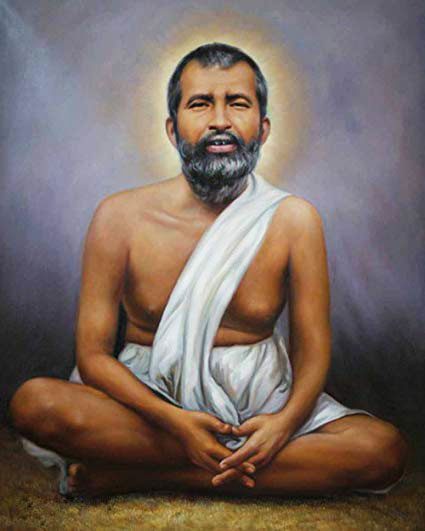
In the words of Sri Ramakrishna, "If a thorn pierces your foot, you take another thorn to take it out. Then you throw both away." This poignant metaphor speaks to the necessity of addressing our suffering with wisdom, yet it also emphasizes the importance of non-attachment. The act of removing the thorn signifies our engagement with life's challenges, while the act of discarding both thorns illustrates the need to release what no longer serves us. In a world rife with distractions and attachments, this teaching invites us to reflect on how we navigate our pain and the tools we use to alleviate it.
At its core, this quote encapsulates a profound understanding of human experience. It acknowledges that pain is an inevitable part of life, yet it also offers a pathway to healing. The duality of using one thorn to remove another suggests that we often resort to temporary solutions to address deeper issues. However, the ultimate wisdom lies in recognizing when to let go of both the pain and the means of alleviation, fostering a sense of liberation that transcends our immediate struggles. This teaching resonates deeply in our contemporary lives, where we often cling to both our suffering and the methods we employ to cope with it.
The image / the metaphor
The imagery of thorns piercing the foot evokes a visceral sense of discomfort and urgency. The act of using one thorn to extract another is a striking metaphor for how we often engage with our suffering. The verbs chosen—"pierces," "take out," and "throw away"—convey a dynamic process of confrontation and resolution. This imagery invites us to feel the pain of the thorn, the relief of its removal, and the subsequent act of letting go, all of which are integral to our journey of healing.
Diving deeper into the metaphor, we can see that the thorns represent not only our immediate pain but also the attachments we form around our suffering. The first thorn symbolizes the original wound, while the second thorn represents the coping mechanisms we adopt—whether they be unhealthy habits, negative thought patterns, or even relationships that no longer serve us. By recognizing that both thorns must be discarded, we are encouraged to cultivate a sense of non-attachment, allowing us to move forward unencumbered by the weight of our past experiences.
In the speaker's tradition
Sri Ramakrishna's teachings are deeply rooted in the Hindu tradition, which emphasizes concepts such as dharma, the moral order of the universe, and the importance of non-attachment (vairagya). His insights resonate with the notion of kenosis, or self-emptying, found in various spiritual traditions, where one must relinquish the ego and its attachments to experience true liberation. The idea of sunyata, or emptiness, in Buddhist thought parallels this teaching, suggesting that the release of attachments leads to a deeper understanding of reality and self.
In the Bhagavad Gita, Lord Krishna advises Arjuna to perform his duty without attachment to the results, encapsulating the essence of non-attachment. This teaching aligns with Sri Ramakrishna's metaphor, as both emphasize the importance of engaging with life's challenges while simultaneously letting go of the burdens they impose. By situating this quote within the broader context of Hindu philosophy, we can appreciate the timeless wisdom it offers, encouraging us to navigate our lives with both courage and detachment.
Living the teaching
Consider a modern scenario where this teaching can be applied: a professional facing burnout from a demanding job. The initial thorn is the stress and exhaustion that come from overcommitment, while the second thorn might be the unhealthy coping mechanisms adopted—such as procrastination or excessive reliance on caffeine. By recognizing the need to address the root cause of the stress, the individual can take steps to alleviate the burden, such as setting boundaries or seeking support, ultimately leading to the decision to let go of both the stress and the unhealthy habits.
In the realm of relationships, this teaching can manifest during conflicts. When misunderstandings arise, one might cling to grievances or retaliate with hurtful words—these are the thorns that pierce the heart. However, by choosing to address the conflict with compassion and understanding, one can remove the immediate pain of the argument. The wisdom lies in recognizing that holding onto resentment serves no purpose; thus, both the conflict and the emotional baggage can be released, paving the way for healing and deeper connection.
A reflection
As we contemplate the wisdom embedded in Sri Ramakrishna's quote, we might ask ourselves: What thorns am I currently holding onto, and how can I begin the process of letting them go? This question invites us to engage in self-reflection, examining the attachments that may be hindering our growth. By embracing the practice of non-attachment, we open ourselves to a more profound sense of freedom and clarity, allowing us to navigate life's challenges with grace and wisdom.




Join the BrightStar Community
Stay connected with daily inspiration, event announcements, and community wisdom