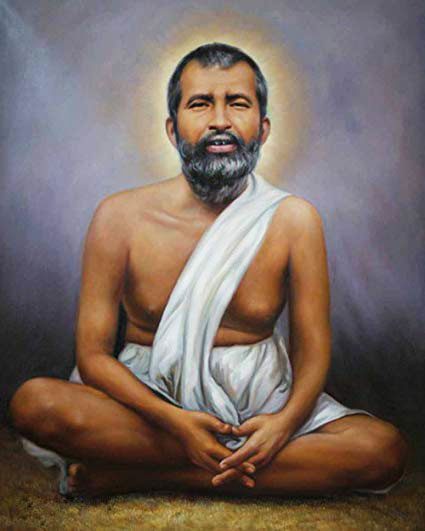
The Elusive Quest for the Divine
Sri Ramakrishna's poignant observation, "Many leave their homes for God, but very few find Him," speaks to the profound journey of spiritual seekers. It suggests that while many embark on the path toward the divine, only a handful truly encounter the essence of God. This quote invites us to reflect on the nature of our spiritual pursuits and the sincerity with which we engage in them. The stakes are high; the quest for God is not merely a physical journey but a deep internal exploration that requires commitment, introspection, and authenticity.
In a world filled with distractions and superficial engagements, Ramakrishna's words resonate with a timeless truth. They challenge us to examine our motivations and the depth of our seeking. Are we merely going through the motions, or are we genuinely striving to connect with the divine? This inquiry is essential, as it highlights the difference between a physical pilgrimage and a spiritual awakening, urging us to seek not just with our feet, but with our hearts and minds.
The image / the metaphor
The imagery in Ramakrishna's quote evokes a sense of movement and departure, suggesting that the journey toward God often begins with a physical act of leaving one's home. This act symbolizes a willingness to step away from the familiar and the comfortable, to venture into the unknown in search of something greater. The choice of the verb "leave" implies a sacrifice, an abandonment of the ordinary in pursuit of the extraordinary. Yet, the stark reality that "very few find Him" serves as a sobering reminder that the journey is fraught with challenges and that the destination is not guaranteed.
Diving deeper into the metaphor, we can see that the act of leaving one's home can also represent a shedding of ego, attachments, and preconceived notions about spirituality. It invites us to consider what we must relinquish in order to truly encounter the divine. The journey is not just about physical distance but also about the inner transformation that occurs when we confront our own limitations and illusions. In this light, finding God becomes less about reaching a specific destination and more about the profound shifts that take place within us as we seek.
In the speaker's tradition
Sri Ramakrishna's teachings are deeply rooted in the Hindu tradition, where concepts such as bhakti (devotion), dharma (righteous duty), and prajna (wisdom) play pivotal roles in the spiritual journey. The notion of leaving home can be seen as an act of bhakti, a devotion that compels the seeker to abandon worldly attachments in pursuit of divine love. This aligns with the idea of kenosis, or self-emptying, where one must let go of the self to experience the fullness of God. In this context, the journey is not merely about physical distance but about an inner transformation that aligns the seeker with their true nature.
Moreover, the quote resonates with the Buddhist concept of sunyata, or emptiness, which emphasizes the need to release attachments to find true understanding. Just as Ramakrishna highlights the rarity of finding God, Buddhist teachings often point to the difficulty of realizing the nature of reality. In both traditions, the emphasis is on the inner work required to transcend the ego and connect with the divine essence. This shared understanding underscores the universality of the spiritual quest, regardless of the specific path one chooses.
Living the teaching
Consider a modern scenario where an individual feels a deep yearning for spiritual fulfillment amidst the chaos of daily life. They may decide to leave their job, move to a quieter place, or engage in a retreat, believing that physical distance will bring them closer to God. However, as they embark on this journey, they soon realize that the external changes are not enough; they must also confront their internal struggles, fears, and attachments. This realization echoes Ramakrishna's insight that the journey to find God is as much about inner work as it is about external circumstances.
In another context, imagine a relationship that feels stagnant or unfulfilling. One partner may seek to "leave" the relationship in search of something more meaningful, believing that the answer lies outside of their current situation. Yet, true growth may require them to delve deeper into their own emotions, fears, and patterns of behavior. By engaging in this inner exploration, they may discover that the path to fulfillment lies not in leaving but in transforming their understanding of love and connection. This illustrates how Ramakrishna's teaching can be applied to various aspects of life, urging us to seek not just in the external world but within ourselves.
A reflection
As we contemplate Sri Ramakrishna's profound words, we are invited to ask ourselves: What does it mean to truly seek God in our lives? Are we willing to leave behind our attachments and preconceived notions in pursuit of a deeper connection with the divine? This question encourages us to reflect on our own spiritual journeys, examining the sincerity of our seeking and the inner transformations that may be required to truly find what we are looking for.




Join the BrightStar Community
Stay connected with daily inspiration, event announcements, and community wisdom