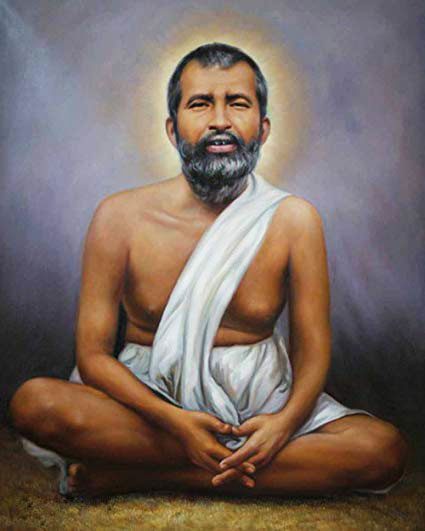
The Illusion of Separation: Embracing the One
In the profound words of Sri Ramakrishna, "Nothing exists except the One. That One is the Supreme Brahman." This statement encapsulates a fundamental truth of existence, suggesting that the myriad forms and experiences we encounter are but illusions, veils that obscure the singular reality of the Supreme. Understanding this concept is essential for anyone seeking deeper spiritual insight, as it invites us to transcend the limitations of our individual selves and recognize our unity with the divine essence that permeates all of creation.
Ramakrishna's assertion challenges us to reconsider our perception of reality and the self. In a world often defined by duality—self and other, subject and object—this teaching beckons us toward a more profound understanding of unity. It invites us to explore the implications of this oneness, not only in our spiritual practices but also in our daily interactions and relationships. The journey toward recognizing the Supreme Brahman as the only reality is both a personal and collective endeavor, urging us to dissolve the barriers that separate us from one another and from the divine.
The image / the metaphor
At first glance, the quote presents a stark dichotomy: the existence of the One versus the illusion of multiplicity. The imagery of "the One" evokes a sense of wholeness and completeness, a singular essence that transcends the chaos of the material world. The verb "exists" implies a state of being that is absolute and unchanging, contrasting sharply with the transient nature of our everyday experiences. This language invites us to feel the weight of our separateness and the yearning for reconnection with the ultimate source of existence.
Diving deeper into the metaphor, we can see that the concept of the One is not merely an abstract idea but a living reality that informs our understanding of life itself. It suggests that all forms of life, all experiences, and all beings are interconnected threads woven into the fabric of the Supreme. This interconnectedness is akin to the way rivers flow into the ocean, each maintaining its individuality while ultimately merging into a greater whole. By recognizing this metaphor, we begin to appreciate the beauty of diversity within unity, allowing us to embrace the richness of life while remaining anchored in the truth of the One.
In the speaker's tradition
Sri Ramakrishna's teachings are deeply rooted in the rich tapestry of Hindu philosophy, particularly the Advaita Vedanta tradition, which emphasizes non-duality. Concepts such as *dharma* (righteous duty), *kenosis* (self-emptying), and *bhakti* (devotion) resonate with his assertion of the One. The idea of *sunyata*, or emptiness, further complements this understanding, suggesting that the perceived separateness of individuals is an illusion that can be transcended through spiritual practice and devotion. In this light, the Supreme Brahman is not just a distant deity but the very essence of our being, inviting us to dissolve our ego and realize our true nature.
To further illustrate this, we can reference the *Upanishads*, ancient texts that explore the nature of reality and the self. In the *Chandogya Upanishad*, it is stated, "Tat Tvam Asi," meaning "That Thou Art," which echoes Ramakrishna's sentiment. This phrase encapsulates the essence of non-duality, affirming that the individual self (Atman) is ultimately one with the universal self (Brahman). Such teachings encourage seekers to engage in practices that foster this realization, guiding them toward a direct experience of unity with the Supreme.
Living the teaching
In our modern lives, the teaching of oneness can manifest in various scenarios, particularly in moments of conflict or misunderstanding. Imagine a heated argument between friends, where each person feels justified in their perspective. In such a situation, recalling the truth of the One can serve as a powerful reminder that beneath the surface of disagreement lies a shared humanity. Recognizing that both individuals are expressions of the same divine essence can foster compassion and understanding, allowing for reconciliation and healing.
This teaching can also be applied in the context of daily practices, such as meditation or mindfulness. When we sit in stillness, we often confront the illusion of separation that our thoughts and emotions create. By focusing on the breath and cultivating awareness, we can begin to dissolve the boundaries of the self, experiencing moments of profound connection with the universe. This practice not only deepens our understanding of the One but also enriches our relationships, as we learn to see others not as separate entities but as reflections of the same divine light.
A reflection
As we contemplate the profound truth that "Nothing exists except the One," we are invited to explore our own perceptions of separation and unity. How might our lives change if we approached each interaction with the understanding that we are all interconnected expressions of the same divine essence? This question encourages us to reflect on our relationships, our conflicts, and our moments of joy, prompting us to seek deeper connections with ourselves and others as we navigate the intricate dance of existence.




Join the BrightStar Community
Stay connected with daily inspiration, event announcements, and community wisdom