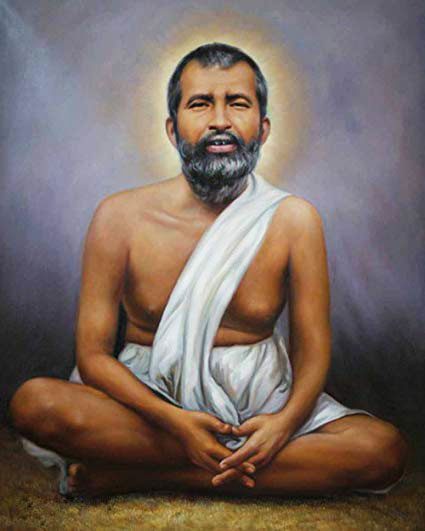
The Hidden Treasures of Existence
“Pearls are not to be found in every sea, nor sandalwood in every forest.” This profound statement by Sri Ramakrishna invites us to reflect on the rarity of true wisdom and the preciousness of spiritual insight. Just as pearls and sandalwood are not commonplace, so too are the deeper truths of life that require discernment and dedication to uncover. In a world filled with distractions and superficiality, recognizing the value of these rare treasures becomes essential for our spiritual journey.
In this quote, Ramakrishna emphasizes that not all experiences or environments yield the same depth of understanding or spiritual growth. The search for wisdom is akin to a quest for rare gems; it demands patience, perseverance, and a willingness to explore beyond the surface. This teaching resonates deeply in our contemporary lives, where the abundance of information can often obscure the true essence of knowledge and insight.
The image / the metaphor
The imagery of pearls and sandalwood evokes a sense of beauty and rarity. Pearls, formed through the slow and often painful process of an oyster's response to irritation, symbolize the wisdom that emerges from life's challenges. Sandalwood, known for its fragrant heartwood, grows in specific conditions and is revered for its spiritual significance. The verbs chosen—“to be found”—imply an active search, suggesting that wisdom is not simply handed to us; it must be sought out with intention and care.
Diving deeper into the metaphor, we can see that both pearls and sandalwood represent the fruits of inner work and spiritual cultivation. Just as one must dive into the depths of the ocean or navigate through dense forests to find these treasures, so too must we engage in self-reflection and spiritual practice to uncover the profound truths within ourselves. This journey is not merely about the destination but about the transformative process that shapes us along the way.
In the speaker's tradition
Sri Ramakrishna’s teachings are deeply rooted in the Hindu tradition, which emphasizes the pursuit of dharma, or righteous living, as a pathway to spiritual fulfillment. The notion of rarity in wisdom aligns with the concept of prajna, or profound understanding, which is cultivated through devotion (bhakti) and selfless service. In this context, wisdom is not merely intellectual knowledge but a deep, experiential understanding of the self and the universe, often achieved through practices that lead to kenosis, or self-emptying.
In the Bhagavad Gita, we find a parallel to Ramakrishna's sentiment in the verses that speak of the importance of discernment in choosing one's path. The Gita teaches that true knowledge is rare and requires a sincere seeker who is willing to look beyond the transient and superficial. This aligns with Ramakrishna's assertion that the most valuable insights are not readily available; they must be sought with dedication and sincerity.
Living the teaching
Consider a modern scenario where this teaching resonates: a young professional navigating the complexities of career choices. In a world filled with options, it is easy to become overwhelmed by the noise of societal expectations and superficial success. However, if one takes the time to reflect on their true passions and values, they may discover a path that aligns with their authentic self—a rare pearl amidst the chaos of the corporate sea.
In relationships, this teaching can manifest in the way we approach our connections with others. Instead of seeking validation through superficial interactions, we might strive for deeper, more meaningful exchanges. This requires vulnerability and the willingness to engage in the difficult conversations that lead to true understanding. By recognizing that genuine connections are rare and precious, we can cultivate relationships that enrich our lives and foster spiritual growth.
A reflection
As we contemplate the wisdom embedded in Ramakrishna's quote, we might ask ourselves: What rare treasures of insight have I yet to uncover in my own life? This question invites us to engage in a process of introspection, encouraging us to explore the depths of our experiences and relationships. In seeking these pearls of wisdom, we embark on a journey that not only enriches our own lives but also contributes to the collective understanding of our shared humanity.




Join the BrightStar Community
Stay connected with daily inspiration, event announcements, and community wisdom