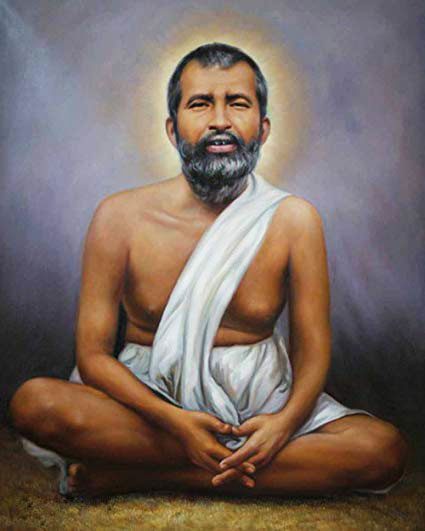
The Incessant Wind of Grace: Navigating Life's Seas
In the words of Sri Ramakrishna, "The wind of God's grace is incessantly blowing. Lazy sailors on the sea of life do not take advantage of it." This evocative metaphor invites us to consider the ever-present nature of divine grace and our role in harnessing it. The stakes are high; our spiritual journey is not merely a passive experience but an active engagement with the forces that shape our lives. Recognizing and responding to this grace can lead to profound transformation, while neglecting it may leave us adrift.
To deepen our understanding, we must reflect on the implications of being "lazy sailors." This phrase suggests a lack of initiative or awareness, a state of being that can hinder our spiritual progress. In a world filled with distractions and demands, it is easy to become complacent, allowing the currents of life to dictate our course. Yet, the grace of the divine is always available, urging us to awaken and set our sails to catch the winds of opportunity and insight. This teaching resonates deeply within the spiritual landscape, calling us to be vigilant and proactive in our quest for meaning and connection.
The image / the metaphor
The imagery of sailors navigating the sea evokes a sense of adventure and challenge. The "wind of God's grace" symbolizes the unseen forces that guide and support us, while the sea represents the vast and often tumultuous journey of life. The verbs chosen—"blowing" and "taking advantage"—imply movement and action, suggesting that grace is not a static gift but a dynamic energy that requires our participation. The felt sense of this metaphor is one of urgency and possibility; it invites us to engage with the currents of our existence rather than passively floating along.
Diving deeper into this metaphor, we can see that the act of sailing requires skill, awareness, and a willingness to adjust our sails in response to changing winds. Just as sailors must learn to read the weather and navigate the waters, we too must cultivate discernment and responsiveness in our spiritual lives. The wind of grace may be constant, but our ability to harness it depends on our readiness to act. This interplay between grace and effort is a central theme in many spiritual traditions, emphasizing that while divine support is ever-present, our active engagement is essential for growth and transformation.
In the speaker's tradition
Within the context of Hindu philosophy, Sri Ramakrishna's teaching resonates with concepts such as bhakti, or devotion, and dharma, the moral order of the universe. Bhakti emphasizes the importance of surrendering to divine will, recognizing that grace flows abundantly to those who open their hearts in love and devotion. Dharma, on the other hand, calls us to fulfill our responsibilities and duties with integrity, suggesting that our efforts are not separate from the grace we seek but rather intertwined with it. This duality of grace and effort reflects the intricate dance of human agency and divine influence.
A relevant text that echoes this sentiment is the Bhagavad Gita, where Krishna advises Arjuna to engage in righteous action while surrendering the fruits of his labor to the divine. This teaching underscores the importance of aligning our actions with higher principles while remaining open to the grace that supports us. The Gita teaches that our efforts, when infused with devotion and awareness, become a means of connecting with the divine flow of grace, enabling us to navigate the challenges of life with purpose and clarity.
Living the teaching
Consider a modern scenario where this teaching might apply: a professional facing burnout in a demanding job. The individual may feel overwhelmed, as if the winds of grace are absent, yet the reality is that opportunities for growth and renewal are always present. By recognizing the need to adjust their sails—perhaps by seeking support, setting boundaries, or engaging in self-care—the individual can begin to harness the grace that is available. This active engagement transforms a sense of stagnation into a journey of discovery, allowing them to navigate their career with renewed energy and purpose.
Another application of this teaching can be found in relationships. Imagine a couple experiencing conflict; one partner may feel that the other is not making an effort to resolve issues. Here, the "lazy sailor" metaphor becomes poignant. By recognizing that grace exists in the form of understanding, forgiveness, and open communication, both partners can choose to actively engage with these elements. This shift from passivity to action can lead to healing and deeper connection, illustrating how the winds of grace can be harnessed in the most intimate aspects of our lives.
A reflection
As we contemplate Sri Ramakrishna's words, we are invited to ask ourselves: In what areas of my life am I being a lazy sailor, allowing the winds of grace to pass me by? This question encourages introspection and invites us to identify the moments when we may be resisting the opportunities for growth and connection that grace offers. By acknowledging these areas, we can begin to take conscious steps toward engaging with the divine flow, setting our sails to catch the winds that guide us toward a more fulfilling and purposeful existence.




Join the BrightStar Community
Stay connected with daily inspiration, event announcements, and community wisdom