Harnessing the Winds of Grace
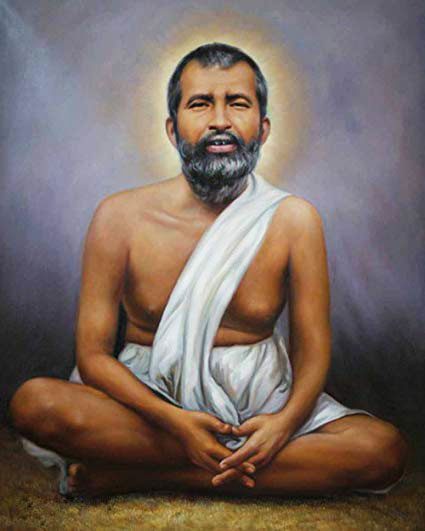
Sri Ramakrishna's profound assertion, "The winds of grace are always blowing; it is for us to raise our sails," invites us to reflect on the omnipresence of divine grace in our lives. This quote emphasizes that while grace is ever-present, it requires our active participation and willingness to engage with it. The stakes are high: recognizing and responding to this grace can lead to profound transformation, while neglecting it may leave us adrift in the currents of life.
In a world often characterized by struggle and striving, Ramakrishna's words remind us of the subtle interplay between effort and surrender. The metaphor of raising sails suggests that our journey toward spiritual fulfillment is not solely about relentless effort; it also involves an openness to receive what is already available. This duality of grace and effort is a central theme in many spiritual traditions, and understanding it can illuminate our path toward deeper connection and understanding.
The image / the metaphor
The imagery of winds and sails evokes a vivid sense of movement and potential. Winds, representing grace, are unseen forces that can propel us forward, while sails symbolize our readiness to harness that energy. The choice of the verb "raise" implies an active engagement; it is not enough to simply wait for the winds to blow. We must prepare ourselves, adjusting our sails to catch the currents of grace that surround us, suggesting a dynamic relationship between the divine and the individual.
Diving deeper into this metaphor, we can see that the act of raising sails requires both awareness and intention. It is a conscious decision to align ourselves with the flow of grace, to be receptive to the opportunities and insights that arise. This interplay of grace and effort reflects the spiritual journey itself, where moments of divine intervention often coincide with our own readiness to embrace change. The winds of grace may be constant, but our ability to navigate them depends on our willingness to engage actively with our spiritual lives.
In the speaker's tradition
Situated within the rich tapestry of Hindu philosophy, Sri Ramakrishna's teaching resonates with concepts such as bhakti (devotion) and prajna (wisdom). The notion of grace, or "kripa," is central to many Hindu texts, emphasizing that divine assistance is available to those who seek it with sincerity and devotion. This aligns with the idea of dharma, where fulfilling one's duty and living in accordance with cosmic law opens the door to receiving grace. The relationship between grace and effort is beautifully illustrated in the Bhagavad Gita, where Arjuna's struggle is met with Krishna's guidance, highlighting the necessity of both human effort and divine support.
In the context of Ramakrishna's teachings, we can draw parallels with the concept of kenosis, or self-emptying, found in various spiritual traditions. Just as one must let go of ego and preconceived notions to receive grace, Ramakrishna's message encourages us to cultivate humility and openness. The Upanishads also speak of "sunyata," or emptiness, suggesting that in our willingness to release attachments, we create space for grace to enter our lives. This interconnectedness of effort and grace is a cornerstone of spiritual growth in Ramakrishna's philosophy.
Living the teaching
Consider a modern scenario where an individual is navigating a career transition. The winds of grace may manifest as unexpected opportunities, supportive mentors, or moments of clarity that guide their path. However, without the initiative to raise their sails—such as networking, seeking guidance, or pursuing new skills—these opportunities may go unnoticed. This situation illustrates how grace is not merely a passive experience; it requires our active participation to fully realize its potential.
In the realm of relationships, the teaching of raising our sails can be equally transformative. Imagine a couple facing challenges in communication. By consciously choosing to engage with empathy and openness, they can create a space where grace can flow, allowing for healing and understanding. This practice of raising sails in relationships involves vulnerability and a willingness to listen, fostering an environment where love and connection can thrive. In both scenarios, the essence of Ramakrishna's teaching is clear: grace is ever-present, but it is our responsibility to embrace it actively.
A reflection
As we contemplate the wisdom of Sri Ramakrishna's words, we might ask ourselves: "In what areas of my life am I waiting for grace to manifest, and how can I actively raise my sails to embrace it?" This question invites introspection and encourages us to identify the spaces where we can cultivate openness and readiness. By reflecting on our own lives, we can begin to recognize the winds of grace that are always blowing, guiding us toward deeper fulfillment and connection.




Join the BrightStar Community
Stay connected with daily inspiration, event announcements, and community wisdom