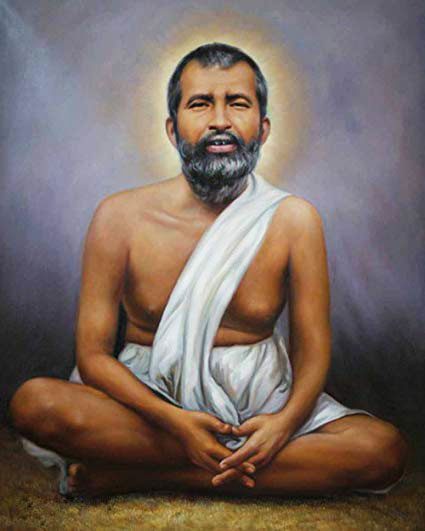
The Many Faces of Truth: A Journey Towards Unity
In the profound words of Sri Ramakrishna, "Truth is one; only it is called by different names. All people are seeking the same Truth." This statement invites us to reflect on the nature of truth itself and the myriad ways it manifests across cultures, beliefs, and experiences. The essence of this teaching is not merely philosophical; it speaks to the heart of human existence, urging us to recognize our shared quest for understanding and meaning. In a world often divided by differing perspectives, this insight holds the potential to foster unity and compassion among all beings.
To delve deeper into this quote is to engage with the very fabric of our spiritual lives. It challenges us to consider how we label our experiences and beliefs, often leading to conflict and misunderstanding. By acknowledging that the underlying truth remains constant, regardless of the names we assign to it, we can cultivate a sense of empathy and connection with others. This perspective not only enriches our personal journeys but also encourages a collective awakening to the universal truths that bind us together.
The image / the metaphor
At its core, Sri Ramakrishna's quote evokes a powerful image of truth as a singular entity, akin to a vast ocean, while the different names we use are like the various rivers that flow into it. Each river carries its own unique characteristics, shaped by the landscapes it traverses, yet they all ultimately converge into the same body of water. This imagery highlights the diversity of human experience and expression, suggesting that while our paths may differ, they all lead us toward the same ultimate reality.
Going deeper into this metaphor, we can see how the rivers represent the myriad religious and philosophical traditions that have emerged throughout history. Each tradition offers its own insights and interpretations, yet they all seek to articulate the same fundamental truths about existence, love, and the nature of the divine. By embracing this metaphor, we can cultivate a sense of reverence for the diverse expressions of truth, recognizing that they are not in opposition but rather complementary facets of a greater whole.
In the speaker's tradition
Within the context of Hindu philosophy, Sri Ramakrishna's teaching resonates profoundly with concepts such as dharma, the moral order of the universe, and bhakti, the path of devotion. These ideas emphasize the importance of aligning oneself with the greater truth that underpins existence. The notion of kenosis, or self-emptying, also parallels this teaching, as it invites individuals to relinquish their ego-driven attachments to specific beliefs and identities in favor of a more expansive understanding of truth. In this light, the quest for truth becomes not just an intellectual pursuit but a spiritual journey toward unity and self-realization.
Moreover, this teaching can be illuminated through the lens of the Upanishads, ancient texts that explore the nature of reality and the self. The concept of "Tat Tvam Asi," or "That Thou Art," encapsulates the idea that the individual soul (Atman) is fundamentally one with the universal spirit (Brahman). This profound realization aligns with Sri Ramakrishna's assertion that, despite our diverse names and forms, we are all seeking the same ultimate truth that transcends our differences.
Living the teaching
In our contemporary lives, the teaching of Sri Ramakrishna can be applied in various scenarios, particularly in the realm of interfaith dialogue. Imagine a community gathering where individuals from different religious backgrounds come together to share their beliefs and practices. By approaching these conversations with the understanding that each participant is seeking the same truth, we can foster an atmosphere of respect and curiosity. This approach not only enriches our own understanding but also cultivates a sense of solidarity among diverse groups, highlighting our shared humanity.
Another application of this teaching can be found in personal relationships, especially during moments of conflict. When disagreements arise, it is easy to become entrenched in our perspectives, viewing the other as an adversary. However, by remembering that both parties are ultimately seeking the same truth—whether it be love, understanding, or connection—we can approach the situation with compassion and openness. This shift in perspective allows for deeper communication and healing, transforming potential discord into an opportunity for growth and unity.
A reflection
As we contemplate the wisdom of Sri Ramakrishna's words, we are invited to ask ourselves: How can I recognize the underlying truth in the beliefs and experiences of others, even when they differ from my own? This question encourages us to engage in a deeper exploration of our relationships and interactions, prompting us to seek common ground amidst diversity. In doing so, we not only honor the journey of others but also enrich our own path toward understanding and unity.




Join the BrightStar Community
Stay connected with daily inspiration, event announcements, and community wisdom