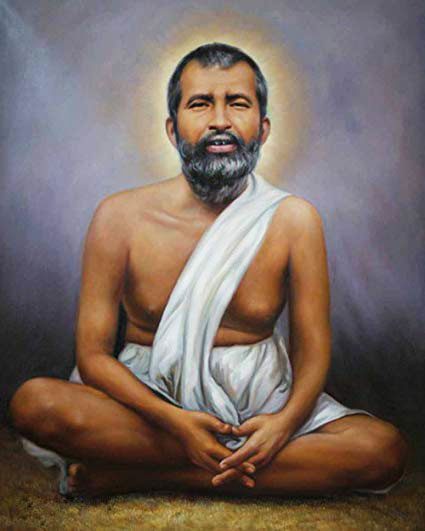
The Divine Dialogue: Realizing and Speaking of God
In the profound words of Sri Ramakrishna, "What is the best occupation? To realize God and to talk of God." This statement encapsulates a dual journey: the inward quest for divine realization and the outward expression of that experience. The stakes are high; in a world often preoccupied with material pursuits, this quote invites us to consider a higher calling, one that transcends the mundane and touches the essence of existence itself. It challenges us to reflect on our purpose and the nature of our conversations, urging us to align our lives with a deeper spiritual truth.
Ramakrishna's assertion serves as a reminder that the essence of spirituality is not merely personal enlightenment but also the sharing of that light with others. To realize God is to engage in a transformative process that reshapes our understanding of self and the universe. Talking of God, then, becomes an act of love and service, a way to weave the threads of divine experience into the fabric of communal life. This dual focus on realization and communication underscores the interconnectedness of all beings and the importance of fostering a shared spiritual dialogue.
The image / the metaphor
At first glance, the quote presents a straightforward inquiry into the nature of occupation, yet it is rich with imagery and layered meanings. The term "occupation" evokes a sense of duty or vocation, suggesting that our highest calling is not found in conventional careers but in the pursuit of the divine. The verbs "realize" and "talk" are particularly evocative; to realize implies a deep, transformative understanding, while to talk suggests an active engagement with others. Together, they create a vivid picture of a life dedicated to both inner awakening and communal sharing of spiritual insights.
Diving deeper into the metaphor, we can see that realization is not a solitary endeavor but rather a communal one. The act of talking about God signifies the importance of community in spiritual growth. It suggests that our understanding of the divine is enriched through dialogue, reflection, and shared experiences. This interplay between personal realization and communal expression highlights the dynamic nature of spirituality, where individual insights can illuminate the paths of others, creating a collective journey toward the divine.
In the speaker's tradition
Sri Ramakrishna's teachings are deeply rooted in the Hindu tradition, where concepts such as dharma, bhakti, and prajna play pivotal roles. Dharma, or righteous duty, aligns closely with the idea of realizing God as a fundamental purpose of life. Bhakti, the path of devotion, emphasizes the importance of love and surrender to the divine, while prajna refers to the wisdom that arises from such experiences. In this context, Ramakrishna's quote can be seen as an invitation to embody these principles, merging personal realization with the expression of divine love in our interactions with others.
Moreover, the notion of kenosis, or self-emptying, resonates with Ramakrishna's emphasis on realizing God. This concept, found in various spiritual traditions, speaks to the necessity of relinquishing the ego to experience the divine fully. The Bhagavad Gita, a cornerstone of Hindu philosophy, echoes this sentiment, urging individuals to act selflessly and in alignment with a higher purpose. Ramakrishna's call to realize and talk of God aligns with these teachings, reinforcing the idea that true spiritual fulfillment arises from both personal transformation and the sharing of that transformation with the world.
Living the teaching
Consider a modern scenario where this teaching might resonate: a workplace filled with stress and competition. In such an environment, the pursuit of material success often overshadows deeper values. However, if individuals within this space were to embrace the essence of Ramakrishna's quote, they might find ways to infuse their daily interactions with a sense of purpose and connection. By sharing moments of gratitude, compassion, and even spiritual insights, they could transform the workplace into a space where realization and dialogue about the divine become integral to the culture.
Another application of this teaching can be found in personal relationships. Imagine a moment of conflict with a loved one, where misunderstandings and egos clash. By invoking the spirit of Ramakrishna's wisdom, one might approach the situation with a mindset of realization—seeking to understand the deeper needs and feelings of both parties. In doing so, the conversation shifts from one of blame to one of shared exploration, where both individuals can express their vulnerabilities and insights about the divine presence in their lives. This transformative approach not only resolves conflict but also deepens the bond between them, illustrating the power of realizing and talking of God in everyday life.
A reflection
As we contemplate the profound wisdom of Sri Ramakrishna's quote, we are invited to reflect on our own lives: How often do we prioritize the realization of the divine in our daily activities? Are our conversations infused with a sense of spiritual purpose, or do they remain tethered to the mundane? In this moment of reflection, consider the ways in which you can cultivate a deeper awareness of the divine presence in your life and share that understanding with others. What steps can you take to align your occupation—both in work and in relationships—with the sacred pursuit of realizing and talking of God?




Join the BrightStar Community
Stay connected with daily inspiration, event announcements, and community wisdom