The Fragile Beauty of Existence
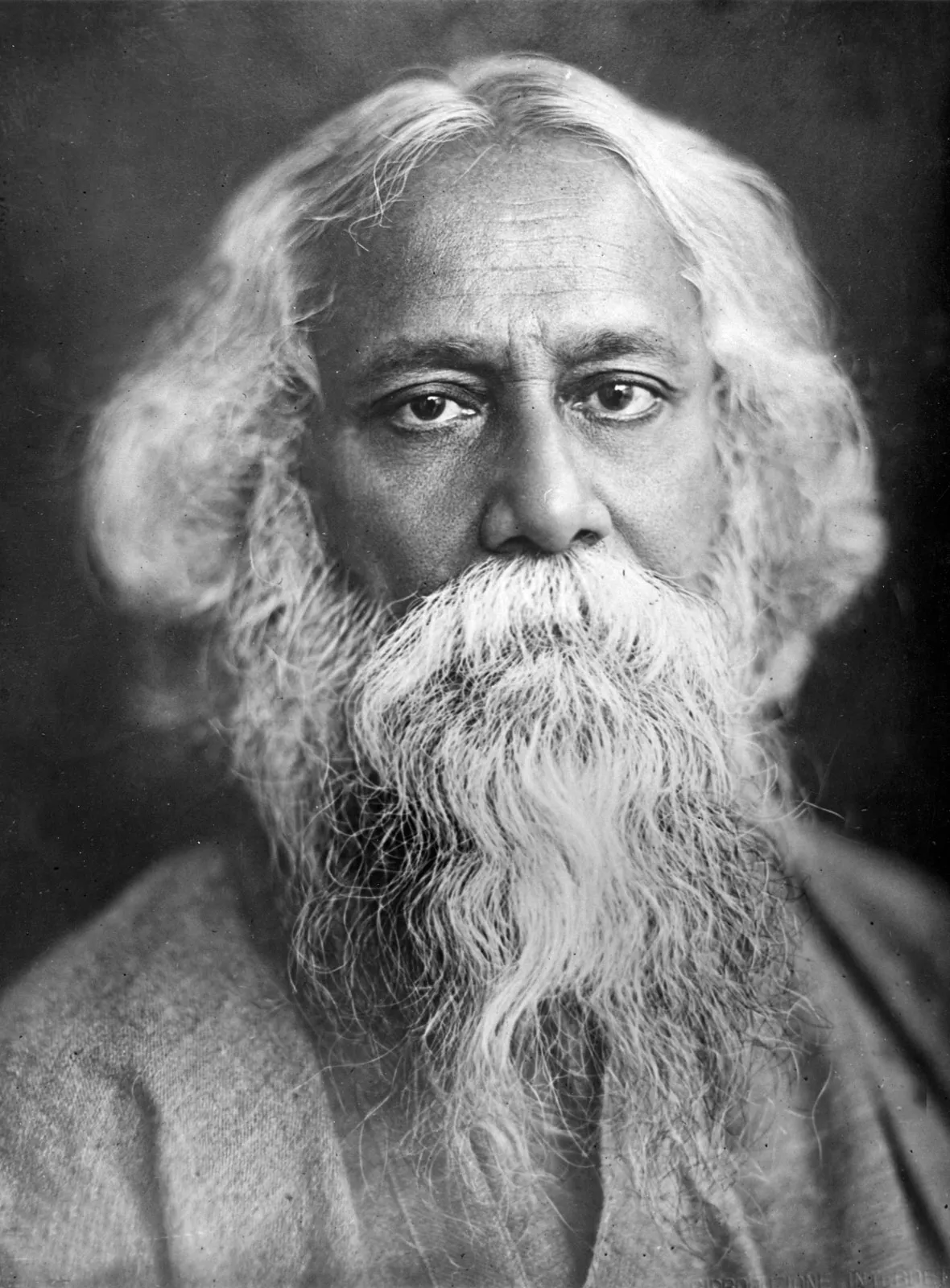
Rabindranath Tagore's poignant observation, "By plucking her petals you do not gather the beauty of the flower," invites us to reflect on the nature of beauty and the often misguided attempts to possess it. In a world driven by consumption and ownership, this quote serves as a gentle reminder that true beauty cannot be captured or commodified; it exists in the ephemeral and the intangible. The stakes are high, as our understanding of beauty shapes our relationships with the world and with each other, urging us to reconsider how we engage with the delicate wonders that surround us.
Tagore's words resonate deeply within the context of human experience, where the desire to possess often overshadows the appreciation of beauty in its natural state. This quote challenges us to recognize that beauty is not merely an object to be collected but a profound experience to be savored. In doing so, we are invited to cultivate a sense of reverence for the transient moments of beauty that life offers, encouraging a shift from ownership to appreciation, from grasping to letting go.
The image / the metaphor
The imagery of a flower, with its delicate petals, evokes a sense of fragility and transience. The act of plucking, laden with intention, suggests a desire to possess something beautiful, yet it simultaneously reveals a fundamental misunderstanding of beauty itself. The verb "pluck" carries with it a sense of violence, an intrusion into the natural order, while the word "gather" implies an attempt to collect and contain what is inherently free and fleeting. This tension between desire and appreciation encapsulates the essence of Tagore's message.
Diving deeper into the metaphor, we can see that the flower represents not only beauty but also the interconnectedness of all life. Each petal, vibrant and unique, contributes to the whole, much like the myriad experiences and relationships that shape our existence. By attempting to isolate and possess beauty, we risk losing sight of its true nature, which thrives in the interplay of life’s moments. This metaphor serves as a reminder that beauty is best experienced in its natural context, where it can flourish without the constraints of ownership.
In the speaker's tradition
Rabindranath Tagore's insights are deeply rooted in the Hindu tradition, which emphasizes the importance of dharma, or the natural order of the universe. In this context, the act of plucking petals can be seen as a violation of dharma, disrupting the balance and harmony that beauty embodies. Concepts such as bhakti, the devotion to the divine, and prajna, the wisdom that arises from understanding the nature of reality, further illuminate Tagore's perspective. The essence of beauty lies not in possession but in the recognition of its divine origin and the interconnectedness of all beings.
Tagore's reflections echo the teachings found in the Upanishads, where the idea of sunyata, or emptiness, invites us to embrace the transient nature of existence. Just as the flower blooms and withers, so too do our experiences of beauty arise and fade. The wisdom of the Upanishads encourages us to cultivate an awareness of this impermanence, allowing us to appreciate beauty without clinging to it. In this light, Tagore's quote becomes a call to live in harmony with the natural rhythms of life, fostering a deeper understanding of beauty as a shared experience rather than a possession.
Living the teaching
Consider a modern scenario where this teaching resonates: a friend shares a breathtaking sunset with you, and in that moment, you both pause to appreciate its beauty. Instead of reaching for your phone to capture the moment, you choose to simply be present, allowing the experience to wash over you. This act of letting go of the need to document or possess the beauty of the sunset opens a space for deeper connection, not only with the moment but also with your friend. In this way, the beauty of the sunset becomes a shared experience, enriching your relationship and fostering a sense of gratitude.
In a different context, imagine navigating a challenging relationship where misunderstandings and conflicts arise. By embracing Tagore's teaching, you might choose to focus on the beauty inherent in the other person, rather than fixating on their flaws or the desire to change them. This shift in perspective allows you to appreciate the unique qualities that drew you to them in the first place, fostering compassion and understanding. In moments of difficulty, recognizing the beauty in others can transform the dynamics of the relationship, inviting healing and deeper connection.
A reflection
As we contemplate Tagore's profound words, we are invited to ask ourselves: How often do I seek to possess beauty rather than simply experience it? This question encourages us to reflect on our relationships with the world around us, prompting a deeper inquiry into how we engage with beauty in our daily lives. By embracing the ephemeral nature of beauty, we can cultivate a sense of gratitude and reverence for the moments that enrich our existence, allowing us to live more fully in the present.




Join the BrightStar Community
Stay connected with daily inspiration, event announcements, and community wisdom