The Dawn of Presence: Embracing Each Moment Anew
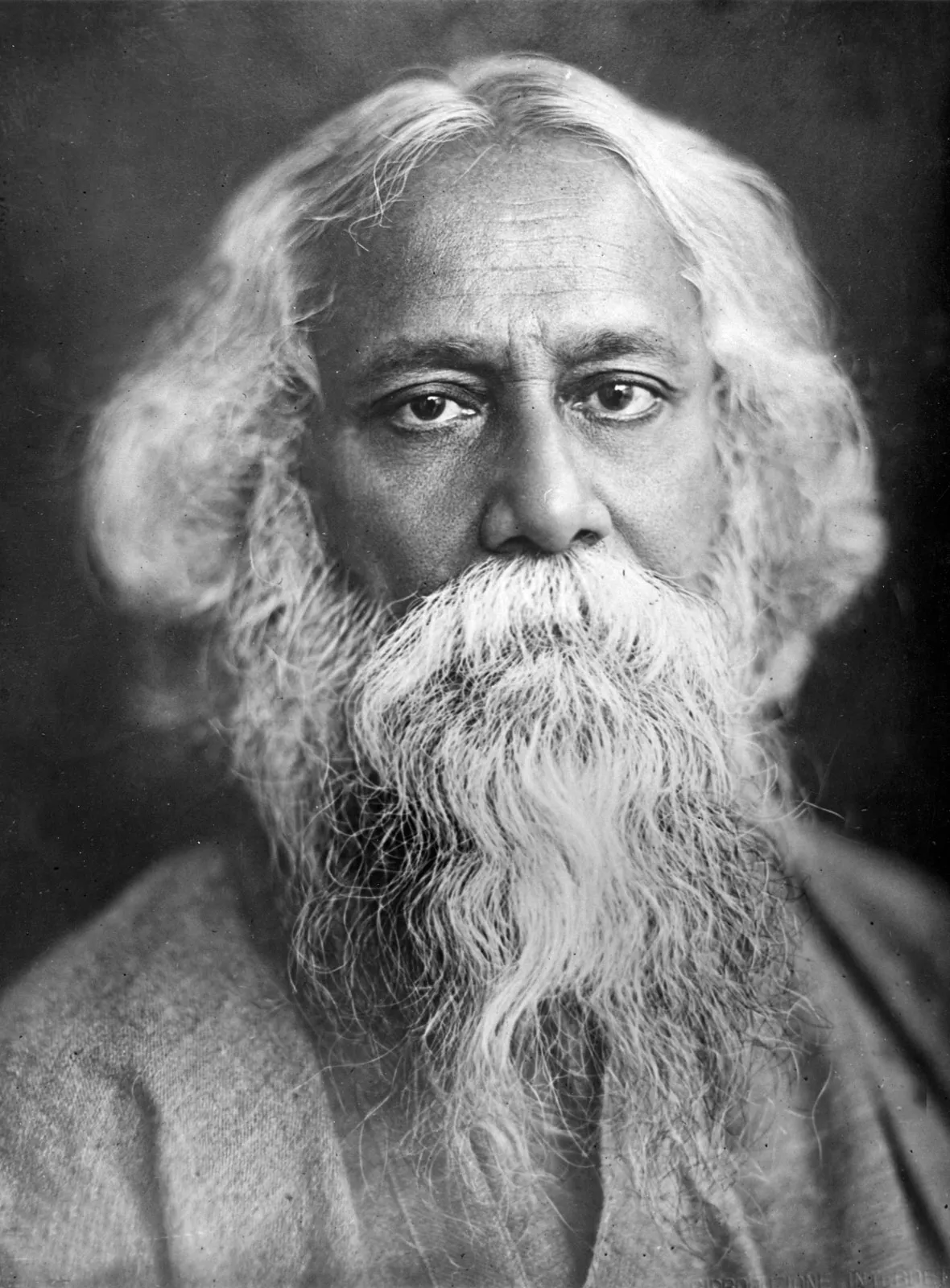
Rabindranath Tagore invites us to reconsider our relationship with time and perception in his profound assertion: "Do not say, 'It is morning,' and dismiss it with a name of yesterday. See it for the first time as a newborn child that has no name." This quote implores us to shed the weight of past experiences and preconceived notions, urging us to approach each moment with the fresh eyes of a child. In a world often dominated by routine and familiarity, this perspective becomes a radical act of presence and wonder.
In a society that thrives on labels and definitions, Tagore's words challenge us to break free from the constraints of habitual thinking. Each morning, as the sun rises anew, we are presented with an opportunity to experience life unencumbered by yesterday's shadows. This call to mindfulness is not merely a poetic sentiment; it is a profound spiritual practice that invites us to cultivate a deeper awareness of the present moment, allowing us to engage with life in its purest form.
The image / the metaphor
Tagore's imagery of morning as a "newborn child" evokes a sense of innocence and freshness. The act of naming, which often serves to categorize and limit our understanding, is juxtaposed with the idea of experiencing the dawn without preconceived labels. The verbs "do not say" and "see" emphasize an active engagement with the world, urging us to awaken our senses and embrace the beauty of the present moment. This vivid metaphor encapsulates the essence of renewal, suggesting that each day holds the potential for new beginnings.
Diving deeper into this metaphor, we can recognize that the act of seeing the morning as a newborn child invites us to cultivate a sense of wonder and curiosity. Just as a child approaches the world with untainted eyes, we too can learn to perceive our surroundings without the baggage of past experiences. This perspective fosters a profound connection to the present, allowing us to appreciate the intricate details of life that often go unnoticed amidst the noise of daily existence. In this way, Tagore's words become a gentle reminder to embrace the world with a sense of awe and gratitude.
In the speaker's tradition
Rabindranath Tagore's insights are deeply rooted in the Hindu tradition, which emphasizes the importance of presence and awareness. Concepts such as dharma, the moral order of the universe, and prajna, the wisdom that arises from direct experience, resonate with Tagore's call to engage with each moment as it unfolds. The idea of kenosis, or self-emptying, aligns with the notion of releasing our attachments to past identities and expectations, allowing us to be fully present in the now. This spiritual framework encourages us to cultivate a sense of surrender, enabling us to experience life with a childlike openness.
In the Bhagavad Gita, a foundational text of Hindu philosophy, we find echoes of Tagore's teaching in the emphasis on performing one's duty without attachment to the fruits of action. This aligns with the idea of seeing each moment as a new opportunity, free from the constraints of past experiences. The Gita encourages us to act with awareness and intention, reminding us that true fulfillment arises from our engagement with the present rather than our fixation on the past or future. Tagore's quote serves as a poetic reflection of these timeless teachings, inviting us to embody the wisdom found in ancient texts.
Living the teaching
Consider a modern scenario where this teaching can be applied: waking up in the morning. Many of us have established routines that dictate how we greet the day, often leading us to rush through our morning rituals without truly engaging with the experience. By embracing Tagore's invitation to see the morning as a newborn child, we can transform our daily routine into a sacred practice. This might involve taking a moment to breathe deeply, savoring the warmth of sunlight streaming through the window, or appreciating the simple act of making a cup of tea. In doing so, we cultivate a sense of presence that enriches our daily lives.
Another application of this teaching can be found in our relationships. Often, we approach interactions with others through the lens of past experiences, allowing previous conflicts or misunderstandings to color our perceptions. By adopting Tagore's perspective, we can strive to meet each person as if we are encountering them for the first time. This shift in mindset fosters deeper connections, as we become more attuned to the unique qualities and experiences of those around us. In moments of tension or difficulty, this practice can serve as a powerful reminder to release preconceived notions and engage with others in a spirit of openness and curiosity.
A reflection
As we contemplate Tagore's profound invitation to experience each moment anew, we might ask ourselves: "What would it feel like to approach my day with the wonder of a child, free from the labels and expectations of yesterday?" This question invites us to explore the ways in which we can cultivate presence in our lives, encouraging us to embrace the beauty of each moment as it unfolds. In this exploration, we may discover the transformative power of seeing the world through fresh eyes, allowing us to connect more deeply with ourselves and those around us.




Join the BrightStar Community
Stay connected with daily inspiration, event announcements, and community wisdom