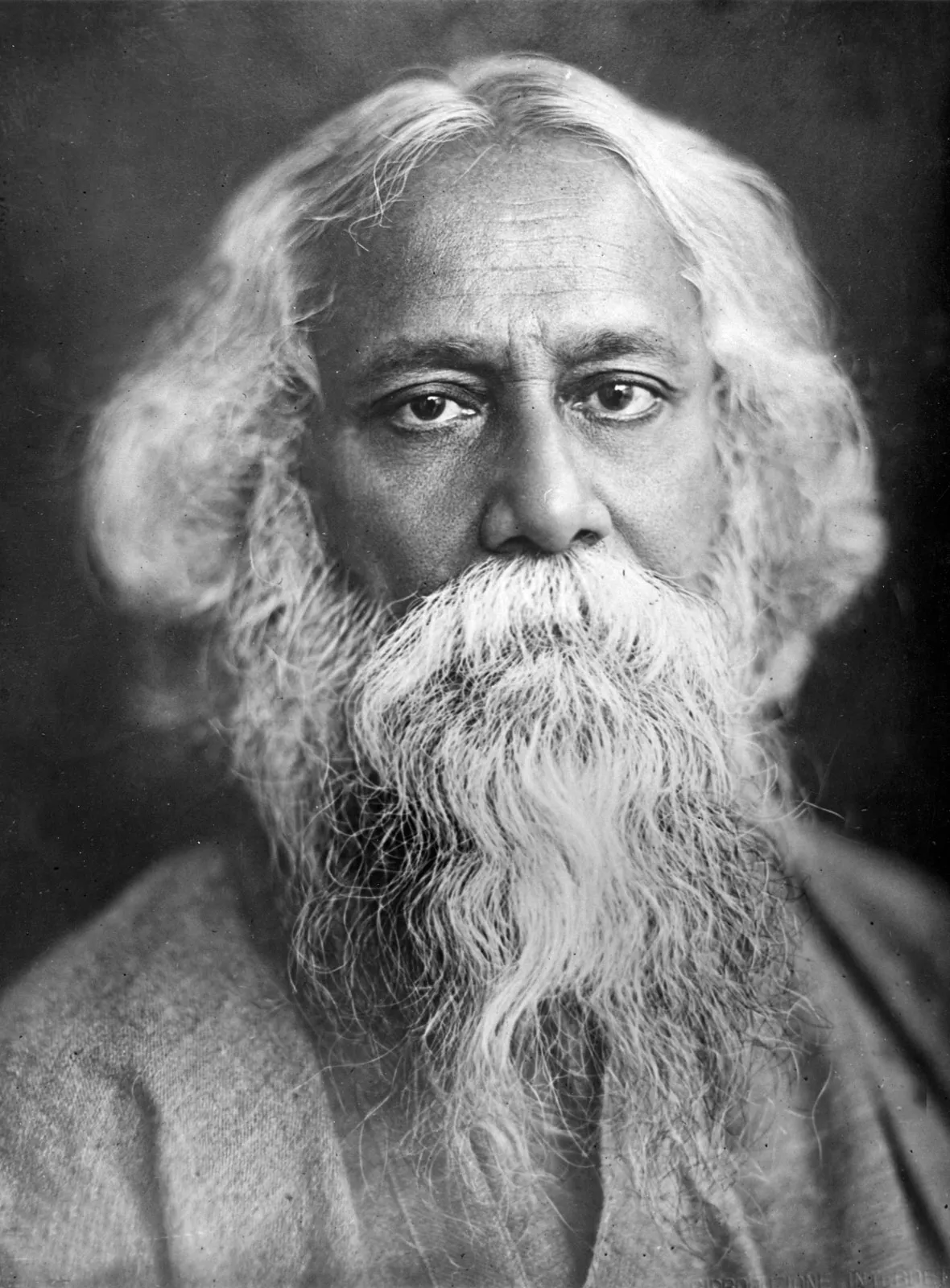
The Paradox of Action and Being
Rabindranath Tagore's poignant observation, "He who is too busy doing good finds no time to be good," invites us to reflect on the delicate balance between action and essence. In our modern world, where busyness is often equated with virtue, this quote serves as a gentle reminder that true goodness arises from a state of being rather than mere doing. The stakes are high; in our relentless pursuit of productivity, we risk losing touch with the very qualities that define our humanity.
This quote challenges us to reconsider our motivations and the nature of our engagements with the world. It suggests that while acts of service are commendable, they can become hollow if they are not rooted in a genuine sense of goodness. Tagore's words resonate deeply in a society that often prioritizes achievement over authenticity, urging us to cultivate an inner life that nourishes our outward actions. The essence of being good is not merely about performing good deeds but embodying a state of compassion, kindness, and presence.
The image / the metaphor
At first glance, the imagery in Tagore's quote evokes a sense of urgency and busyness, where the act of doing good becomes a relentless pursuit. The phrase "too busy" conjures images of individuals rushing from one task to another, their intentions noble yet their essence neglected. The verbs chosen—"doing" and "being"—highlight a fundamental dichotomy: action versus existence. It suggests that in our fervor to enact change, we may overlook the importance of simply being present and embodying the qualities we wish to express.
In the speaker's tradition
Rabindranath Tagore's wisdom is deeply rooted in the Hindu tradition, where concepts such as dharma and bhakti illuminate the path of righteous living. Dharma, often understood as one's duty or moral responsibility, emphasizes the importance of aligning one's actions with a deeper sense of purpose. However, Tagore's quote suggests that merely fulfilling one's dharma through action is insufficient if it is not accompanied by a genuine state of being. This resonates with the idea of kenosis, the self-emptying of one's ego to allow for a more profound connection with the divine and with others.
In the context of Tagore's work, we can draw parallels to the teachings found in the Bhagavad Gita, where Krishna advises Arjuna on the significance of selfless action. The Gita emphasizes that true action arises from a place of inner clarity and detachment from the fruits of one's labor. Tagore's quote echoes this sentiment, urging us to cultivate a state of being that informs our actions, rather than allowing our busyness to overshadow our essence. In this light, the cultivation of prajna, or wisdom, becomes essential in navigating the complexities of service and existence.
Living the teaching
Consider a modern scenario where this teaching resonates: a dedicated volunteer tirelessly organizing community events to support those in need. While their efforts are commendable, they may find themselves overwhelmed, losing sight of the joy and connection that initially inspired their service. In this case, the busyness of doing good can overshadow the deeper purpose of fostering genuine relationships and compassion. By taking a step back to reflect on their motivations and reconnect with their inner sense of goodness, they can transform their service into a more meaningful and fulfilling experience.
In a different context, imagine a relationship strained by the pressures of daily life. One partner may be so focused on providing for the family—working long hours and completing endless tasks—that they neglect the emotional connection that sustains the relationship. Here, Tagore's insight serves as a reminder that being good to one another requires presence and attentiveness, not just the performance of duties. By prioritizing moments of genuine connection and understanding, they can cultivate a deeper bond that transcends mere actions.
A reflection
As we contemplate Tagore's profound words, we are invited to ask ourselves: In what ways am I allowing my busyness to overshadow my capacity for genuine goodness? This question encourages us to pause and reflect on our motivations, urging us to seek a balance between action and being. By cultivating a deeper awareness of our inner state, we can transform our actions into authentic expressions of our true selves, enriching both our lives and the lives of those around us.




Join the BrightStar Community
Stay connected with daily inspiration, event announcements, and community wisdom