In the Silent Dark: The Journey of Solitude and Divine Presence
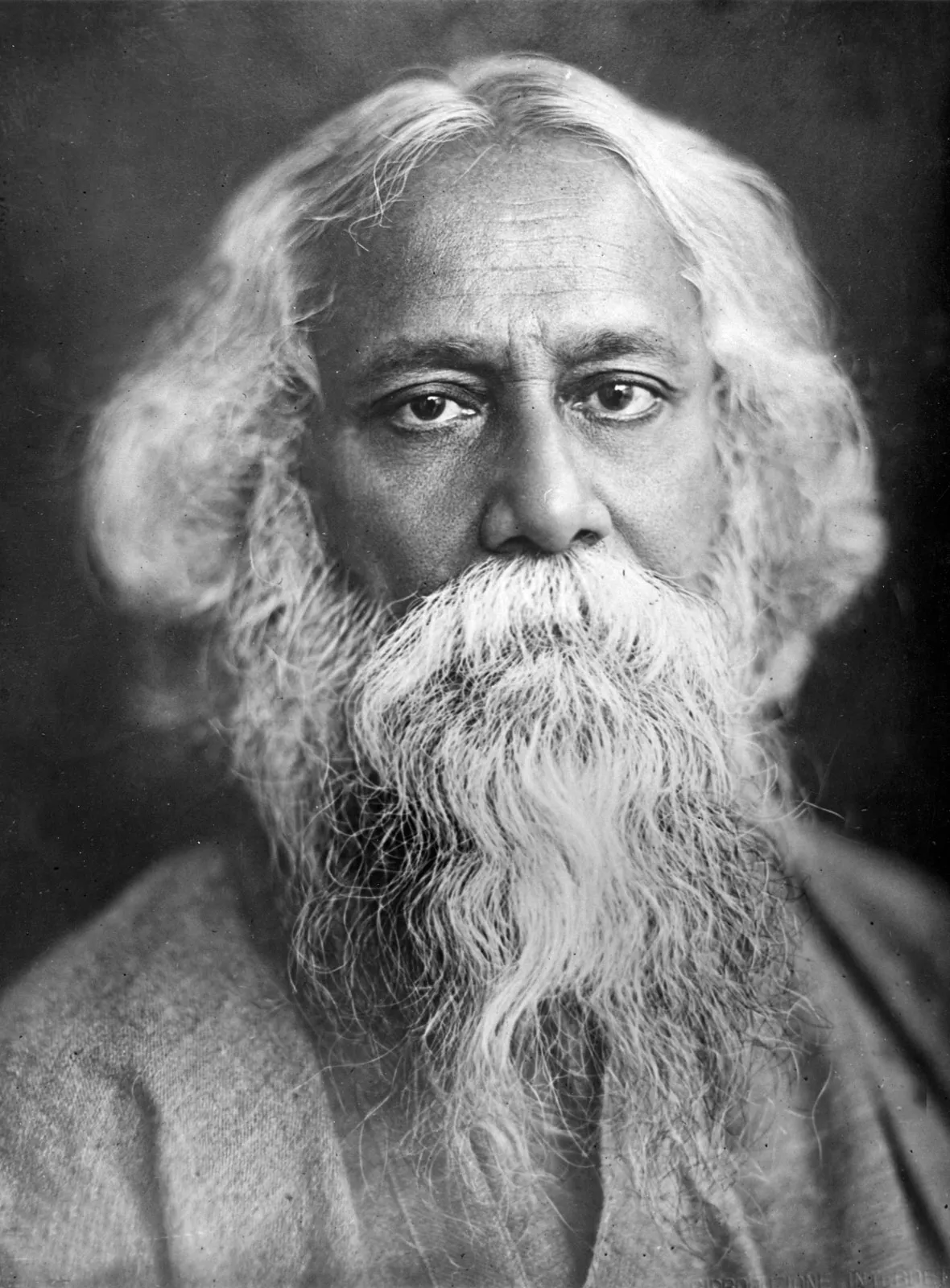
Rabindranath Tagore's poignant reflection, "I came out alone on my way to my tryst. But who is this that follows me in the silent dark?" invites us to explore the profound interplay between solitude and the ever-present divine. This quote encapsulates the essence of human experience—our solitary journeys often reveal an unseen companion, a deeper presence that guides and nurtures us. In a world that often feels fragmented and isolating, Tagore's words resonate with the universal quest for connection, both with ourselves and the divine.
As we delve deeper into this quote, we recognize that the journey of solitude is not merely a physical one but a spiritual odyssey. The "tryst" signifies a meeting, a rendezvous with something sacred, while the "silent dark" evokes the mystery of the unknown. Tagore's inquiry into the identity of the follower suggests that in our moments of solitude, we are never truly alone; rather, we are accompanied by a presence that may be divine, intuitive, or even the essence of our own being. This exploration of solitude and presence is vital in understanding our relationship with the world and the divine.
The image / the metaphor
Tagore's imagery is rich and evocative, painting a scene of a solitary figure embarking on a journey. The choice of the word "alone" sets a tone of introspection, suggesting a departure from the noise of the world into a space of quiet contemplation. The "silent dark" serves as a backdrop, emphasizing both the uncertainty and the potential for discovery that solitude can offer. The act of moving toward a "tryst" implies intention and purpose, hinting at a deeper longing for connection that transcends the physical realm.
Metaphorically, the quote invites us to consider the duality of existence: the external journey we undertake and the internal exploration that unfolds simultaneously. The figure's solitude becomes a canvas upon which the divine presence is painted, suggesting that in moments of quiet reflection, we may encounter aspects of ourselves that are often overshadowed by the chaos of daily life. The "follower" in the dark may represent our inner wisdom, the divine spark, or even the collective consciousness that connects us all, urging us to recognize that solitude is not an absence but a space ripe for revelation.
In the speaker's tradition
Rabindranath Tagore's work is deeply rooted in the Hindu tradition, which emphasizes the interconnectedness of all beings and the pursuit of spiritual truth. Concepts such as dharma, the moral order of the universe, and bhakti, the path of devotion, resonate throughout his poetry. In this context, the journey toward one's "tryst" can be seen as an exploration of one's dharma, where solitude becomes a necessary phase for self-discovery and alignment with one's true purpose. The presence that follows us in the dark may symbolize the divine guidance that accompanies us as we navigate our individual paths.
Tagore's exploration of solitude and divine presence finds echoes in the teachings of the Upanishads, where the concept of "Brahman" as the ultimate reality invites seekers to recognize the divine essence within themselves and the universe. In texts such as the "Bhagavad Gita," the dialogue between Arjuna and Krishna illustrates the importance of inner guidance and the recognition of a higher presence during times of uncertainty. Tagore's inquiry into the identity of the follower aligns with these teachings, urging us to cultivate awareness of the divine that permeates our existence.
Living the teaching
In our modern lives, the teaching encapsulated in Tagore's quote can manifest in various scenarios. Consider a moment of solitude, perhaps during a walk in nature or a quiet evening at home. As we step away from the distractions of technology and social obligations, we may find ourselves confronted with our thoughts and emotions. In this space, the presence that follows us may emerge as a gentle intuition or a sense of peace, reminding us that even in our solitude, we are connected to something greater than ourselves.
Another application of this teaching can be found in the context of relationships. During times of conflict or emotional turmoil, we may feel isolated and alone in our struggles. Yet, if we pause to reflect, we might recognize that the "follower" in our silent dark is the love and understanding that exists beneath the surface. By acknowledging this presence, we can approach our relationships with greater compassion and openness, allowing the divine essence within us to guide our interactions and heal our connections.
A reflection
As we contemplate Tagore's words, we are invited to explore the nature of our own solitude and the presence that accompanies us. In moments of stillness, what do we sense following us in the silent dark? This question encourages us to cultivate awareness of the divine presence in our lives, prompting us to reflect on how we can embrace solitude as a pathway to deeper connection and understanding. In this journey, may we find the courage to walk alone, knowing that we are never truly solitary.




Join the BrightStar Community
Stay connected with daily inspiration, event announcements, and community wisdom