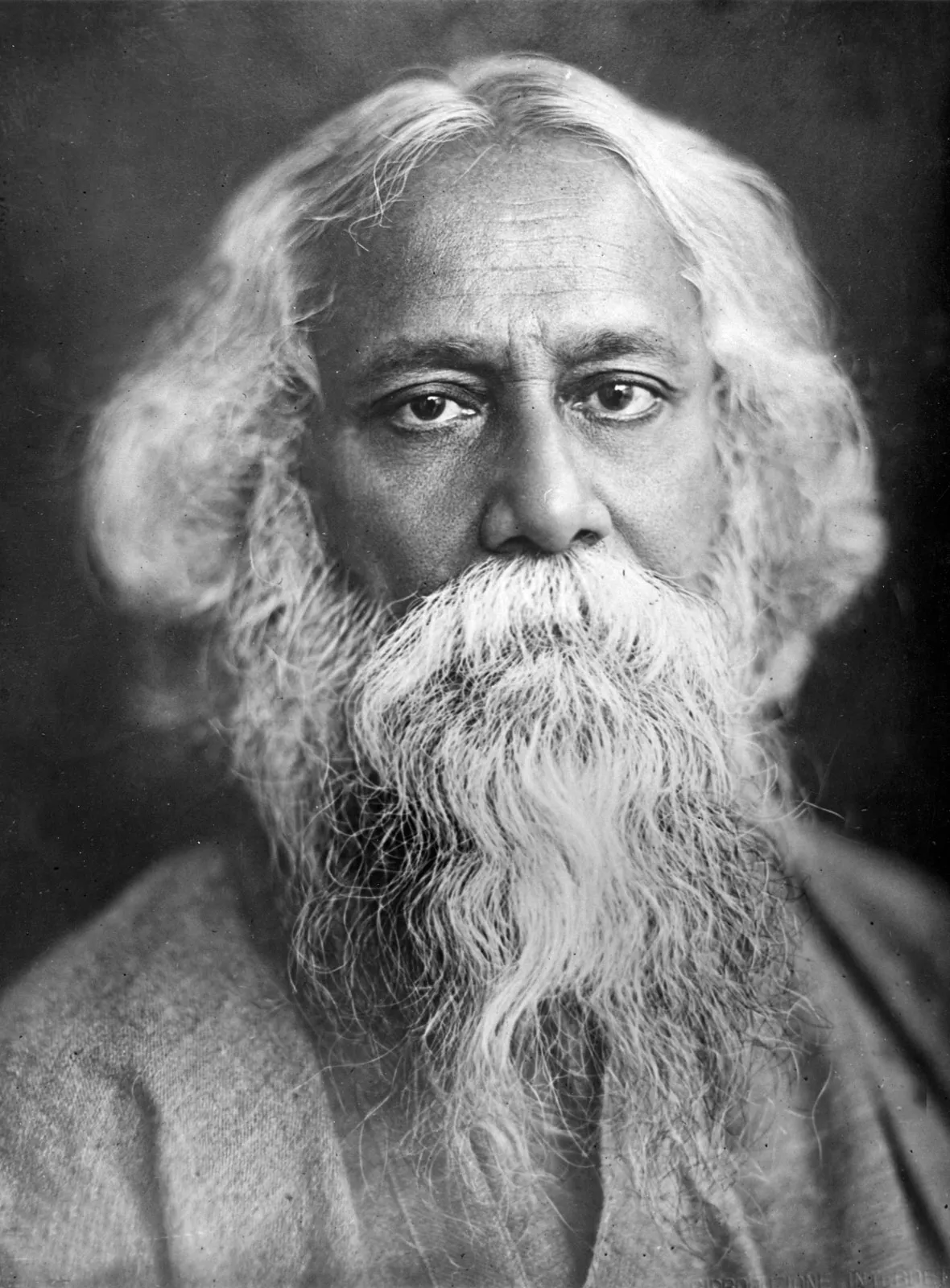
The Dance of Destiny: Embracing What Chooses Us
Rabindranath Tagore's poignant assertion, "I cannot choose the best. The best chooses me," invites us to reflect on the interplay between our desires and the unfolding of our lives. This quote encapsulates a profound truth about surrendering to the currents of destiny, suggesting that our most meaningful paths are often revealed to us rather than selected by us. In a world where choice is often equated with control, Tagore's wisdom challenges us to reconsider the nature of agency and the grace that accompanies acceptance.
As we delve deeper into this quote, we uncover layers of meaning that resonate with the human experience of longing and fulfillment. The notion that the "best" is not merely a product of our will but rather a force that beckons us invites a sense of humility and openness. It encourages us to cultivate a relationship with life that is less about striving and more about listening—an invitation to trust that what is meant for us will reveal itself in due time. This perspective can be both liberating and daunting, as it calls us to surrender our preconceived notions of success and embrace the unknown.
The image / the metaphor
At first glance, Tagore's words evoke a vivid image of a dance, where the dancer does not dictate the rhythm but rather responds to the music that surrounds them. The verbs "choose" and "chooses" create a dynamic interplay between the self and the external world, suggesting a relationship that is both active and passive. This imagery speaks to the essence of human existence, where we often find ourselves navigating a landscape of choices that feel both personal and predetermined. The felt sense of this quote is one of surrender, a gentle yielding to the flow of life that invites us to trust in the unfolding of our journey.
Diving deeper into the metaphor, we can see that the act of being chosen implies a recognition of something greater than ourselves at work. It suggests that there is a guiding force—perhaps our own inner wisdom, the universe, or a divine presence—that aligns us with our true path. This perspective shifts the focus from individual agency to a more holistic understanding of existence, where we are participants in a larger tapestry of life. In this dance, we learn that our role is not solely to assert our will but to attune ourselves to the rhythms of our destiny.
In the speaker's tradition
Rabindranath Tagore's insights are deeply rooted in the Hindu tradition, where concepts such as dharma and bhakti illuminate the path of surrender and acceptance. Dharma, often understood as one's duty or righteous path, emphasizes the importance of aligning with the natural order of the universe. In this context, Tagore's quote resonates with the idea that our true calling is not something we impose upon ourselves but rather something we discover through introspection and openness. The notion of bhakti, or devotion, further enriches this understanding, as it encourages a heartfelt surrender to the divine will, allowing us to be guided by love and grace.
Moreover, Tagore's perspective can be likened to the Buddhist concept of sunyata, or emptiness, which invites us to release our attachments and preconceived notions. Just as sunyata teaches that true freedom arises from letting go, Tagore's assertion reminds us that the best choices often emerge when we relinquish our need for control. In this light, we can see how Tagore's wisdom is not merely a personal philosophy but a reflection of a broader spiritual understanding that transcends cultural boundaries.
Living the teaching
Consider a modern scenario where this teaching might resonate: a young professional grappling with career choices. In a society that often prioritizes ambition and self-determination, this individual may feel overwhelmed by the pressure to choose the "best" path. However, by embracing Tagore's wisdom, they might begin to shift their focus from relentless striving to a more contemplative approach. Instead of forcing a decision, they could cultivate a practice of mindfulness, allowing themselves to be open to opportunities that arise organically. This shift in perspective can lead to a more authentic and fulfilling career journey, one that aligns with their true passions and strengths.
In the realm of relationships, Tagore's teaching can also provide profound insights. Imagine a couple facing challenges in their partnership, each feeling the weight of expectations and desires. By embodying the essence of surrender, they might learn to let go of rigid notions of how their relationship should unfold. Instead of trying to control outcomes, they could focus on nurturing their connection, allowing love and understanding to guide them. This practice of surrender can transform their relationship, revealing the beauty of what is meant to be rather than what they think they should strive for.
A reflection
As we contemplate Tagore's profound words, we are invited to reflect on our own lives: What if we approached our choices with the understanding that the best may not be something we can force or predict? How might our experiences shift if we embraced the idea that the best choices are those that choose us? In this moment of reflection, consider the question: What is calling to you in your life right now, and how can you cultivate the openness to receive it?




Join the BrightStar Community
Stay connected with daily inspiration, event announcements, and community wisdom