Embracing the Dust: A Journey Toward Light
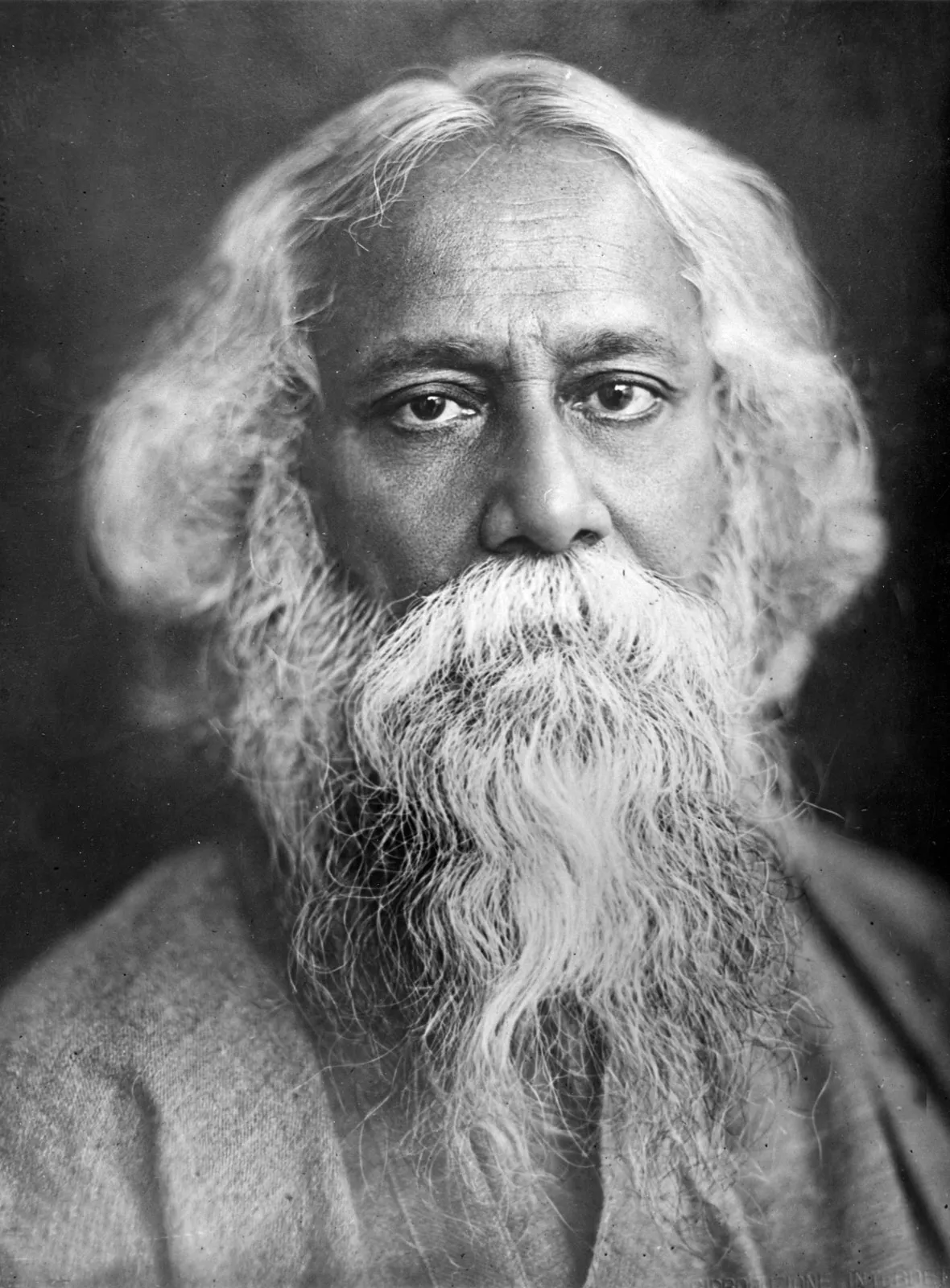
In the poignant words of Rabindranath Tagore, "I have lost touch with the marrow of my own life, and I beg of you to take this dust to your light." Here, Tagore expresses a profound yearning for reconnection with the essence of existence, a plea for illumination amidst the shadows of disconnection. This quote resonates deeply in a world often characterized by distraction and superficiality, where the marrow—the vital essence—of life can feel obscured. The stakes are high; without this reconnection, we risk living in a state of existential numbness, far removed from the vibrancy of our true selves.
Tagore's words evoke a sense of surrender, a willingness to relinquish the dust of our daily lives in exchange for the transformative power of light. This act of surrender is not merely passive; it is an active engagement with the divine, a recognition that our individual struggles and mundane experiences can be transmuted into something sacred. In this light, Tagore invites us to reflect on our own lives, to consider what it means to seek the marrow of our existence and to embrace the journey toward illumination.
The image / the metaphor
The imagery in Tagore's quote is rich and evocative. The "marrow" symbolizes the core of our being, the essence that nourishes our spirit and sustains our existence. In contrast, "dust" represents the trivialities and distractions that often cloud our vision and obscure our understanding of what truly matters. The act of begging for light suggests a deep humility, an acknowledgment that we cannot find our way alone and that we need the guidance of something greater than ourselves. This interplay between dust and light encapsulates the human experience, where the mundane often overshadows the profound.
Diving deeper into the metaphor, we can see that dust is not merely a negative element; it is part of our earthly existence. It signifies our struggles, our imperfections, and the weight of our daily lives. Yet, when we offer this dust to the light, we engage in a transformative process. The light, often associated with divine wisdom or spiritual awakening, has the power to transmute our experiences, illuminating the path toward understanding and growth. Thus, Tagore's plea becomes a call to action, urging us to surrender our burdens and allow the light to guide us back to our essence.
In the speaker's tradition
Rabindranath Tagore's spiritual philosophy is deeply rooted in the Hindu tradition, which emphasizes the interconnectedness of all life and the pursuit of self-realization. Concepts such as dharma, the moral order of the universe, and bhakti, the path of devotion, resonate with the themes of surrender and illumination present in his quote. The act of offering one's dust to the light can be seen as a form of kenosis, a self-emptying that allows for divine presence to fill the void. This surrender is not a loss but a pathway to understanding one's true purpose and place within the cosmos.
In the context of Tagore's work, we can draw parallels to the teachings found in the Bhagavad Gita, where the protagonist Arjuna grapples with his duty and the nature of existence. Just as Arjuna seeks guidance from Krishna, Tagore's plea for light reflects the universal human quest for clarity and purpose. The Gita teaches that through surrendering to the divine will, one can discover the deeper truths of life, much like Tagore's yearning to reconnect with the marrow of his existence.
Living the teaching
Consider a modern scenario where this teaching might resonate: a young professional feeling overwhelmed by the demands of work and life. In the hustle of deadlines and responsibilities, they may find themselves disconnected from their passions and values, living in a state of constant distraction. By reflecting on Tagore's words, this individual might recognize the need to pause, to surrender their burdens, and seek the light of their true calling. This could manifest as a commitment to mindfulness practices, allowing them to reconnect with their inner self and rediscover the marrow of their life.
In relationships, the teaching of surrender and seeking light can also be transformative. Imagine a couple facing a difficult moment, where misunderstandings and resentment have clouded their connection. By embracing the spirit of Tagore's quote, they might choose to lay down their grievances, offering their emotional "dust" to the light of understanding and compassion. This act of vulnerability can pave the way for deeper intimacy, allowing them to rediscover the essence of their love and commitment to one another.
A reflection
As we contemplate Tagore's poignant words, we are invited to reflect on our own lives: What dust are we holding onto that prevents us from experiencing the light? In what ways can we surrender our burdens and open ourselves to the transformative power of illumination? This contemplation encourages us to engage with our inner selves, to seek the marrow of our existence, and to embrace the journey toward a more profound understanding of our place in the world.




Join the BrightStar Community
Stay connected with daily inspiration, event announcements, and community wisdom