The Joy of Impermanence: Embracing Our Flight
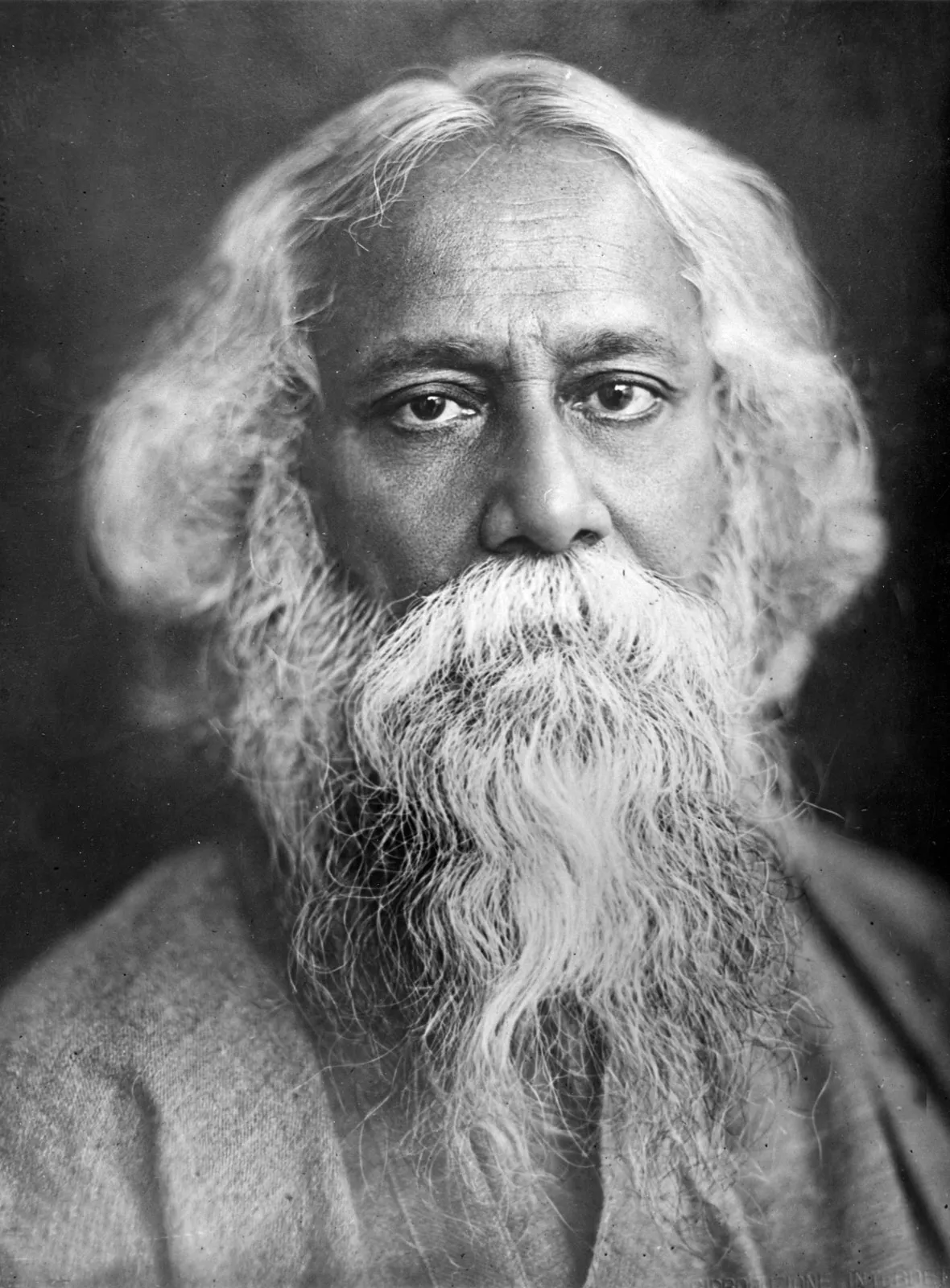
Rabindranath Tagore's poignant reflection, "I leave no trace of wings in the air, but I am glad I have had my flight," invites us to contemplate the nature of existence and the fleeting moments that define our lives. In this statement, Tagore captures the essence of impermanence, suggesting that while our experiences may not leave a lasting mark, the joy derived from them is invaluable. This perspective challenges us to appreciate the transient beauty of life, urging us to find fulfillment in the journey rather than the destination.
As we delve deeper into Tagore's words, we uncover a profound truth about the human experience: the significance of our flights—our endeavors, passions, and relationships—lies not in their permanence but in the joy they bring us. This understanding can liberate us from the burdens of attachment and expectation, allowing us to embrace each moment with gratitude and wonder. In a world that often prioritizes legacy and permanence, Tagore's wisdom serves as a gentle reminder to celebrate the ephemeral nature of our existence.
The image / the metaphor
Tagore's imagery of wings evokes a sense of freedom and transcendence, suggesting a journey that is both personal and universal. The phrase "leave no trace" speaks to the impermanence of our actions and experiences, highlighting the idea that, like a bird in flight, we may soar through life without leaving a lasting imprint. The choice of verbs—"leave" and "glad"—conveys a sense of acceptance and joy, emphasizing that the act of flying itself is what matters most, rather than the marks we leave behind.
Delving deeper into the metaphor, we can see that the flight represents our aspirations, dreams, and the moments of joy that punctuate our lives. The absence of traces signifies the transient nature of these experiences, reminding us that they are often fleeting and ephemeral. Yet, it is this very transience that imbues our lives with richness and depth, encouraging us to savor each moment as it comes. Tagore's metaphor invites us to reflect on the beauty of our journeys, urging us to embrace the joy of living fully in the present.
In the speaker's tradition
Rabindranath Tagore's insights are deeply rooted in the Hindu tradition, which emphasizes the concepts of impermanence and the cyclical nature of life. In this context, the idea of dharma—one's duty or path—aligns with the notion that our experiences are part of a larger cosmic order. The acceptance of impermanence, akin to the Buddhist concept of sunyata or emptiness, encourages us to let go of attachments and embrace the flow of life. Tagore's perspective resonates with the idea of bhakti, or devotion, where the joy of the journey becomes a form of spiritual practice.
In his work, Tagore often draws upon the themes of nature and the interconnectedness of all beings, reflecting the Hindu belief in the unity of existence. His poetry echoes the sentiments found in the Bhagavad Gita, where the importance of action without attachment is emphasized. Just as Krishna advises Arjuna to perform his duty without concern for the fruits of his labor, Tagore's quote encourages us to engage fully in our lives, finding joy in the act of living rather than in the outcomes.
Living the teaching
Consider a modern scenario where this teaching can resonate: a young artist pouring their heart into a painting. As they create, they may feel a sense of joy and fulfillment, yet the fear of not being recognized or leaving a lasting impact can overshadow their experience. Tagore's wisdom reminds the artist that the act of creation itself is a flight worth celebrating, regardless of the final product. By embracing the joy of the process, they can liberate themselves from the constraints of expectation and fully immerse in their artistic journey.
In relationships, this teaching can manifest during moments of conflict or change. Imagine a couple navigating a difficult period, where the fear of losing each other looms large. Tagore's perspective encourages them to focus on the joy they have shared rather than the potential for loss. By cherishing the moments of connection and understanding, they can find solace in the beauty of their shared flight, recognizing that even if their paths diverge, the joy of their time together remains a cherished memory.
A reflection
As we reflect on Tagore's profound words, we are invited to consider the nature of our own flights. What experiences have brought you joy, even if they did not leave a lasting mark? In a world that often emphasizes permanence and legacy, how can you cultivate a sense of gratitude for the ephemeral moments that shape your life? Allow this contemplation to guide you toward a deeper appreciation of the beauty inherent in impermanence.




Join the BrightStar Community
Stay connected with daily inspiration, event announcements, and community wisdom