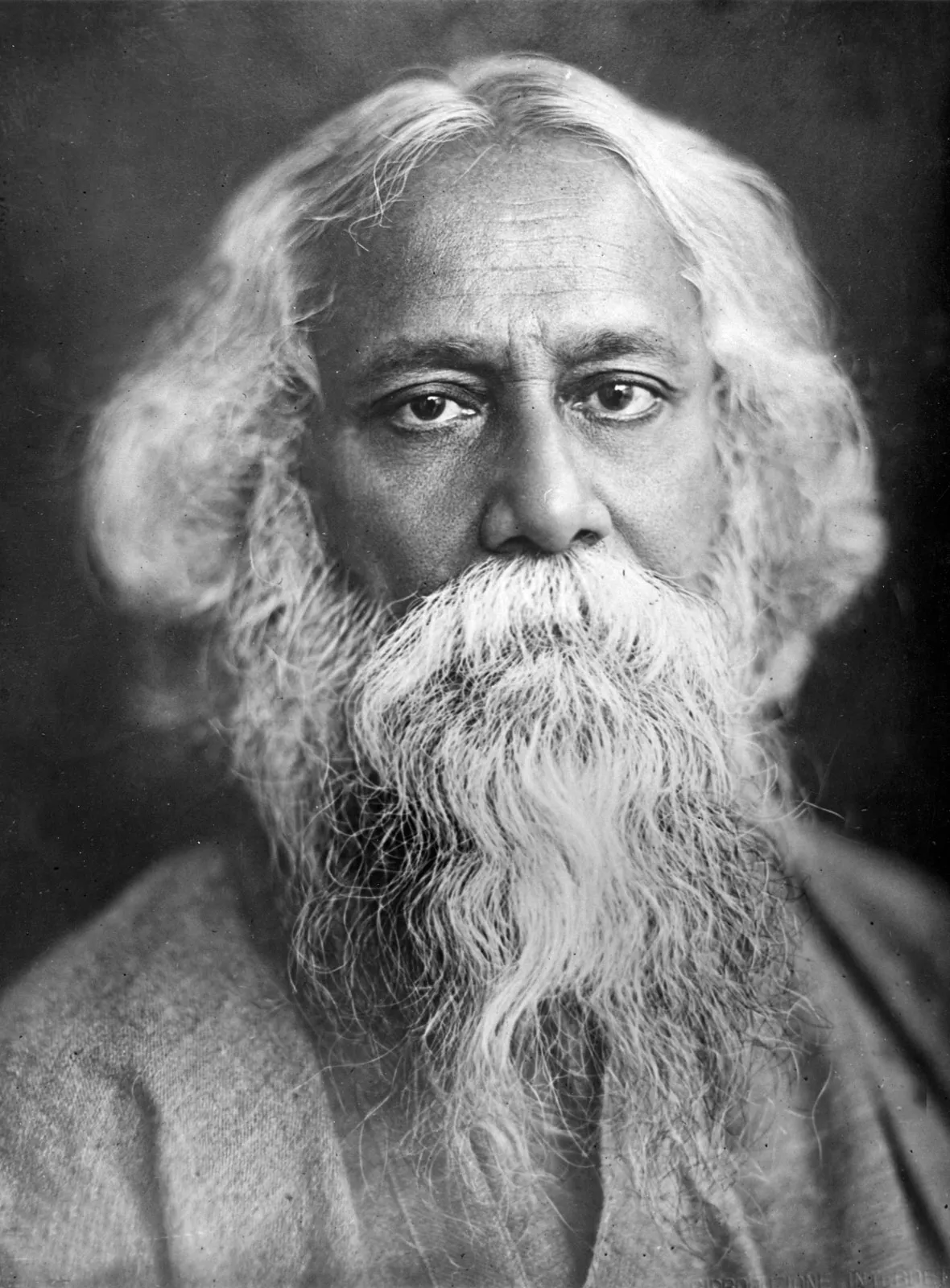
Finding Light in the Shadows: The Wisdom of Rabindranath Tagore
Rabindranath Tagore's poignant observation, "If you shed tears when you miss the sun, you also miss the stars," invites us to reflect on the duality of loss and the potential for discovery that accompanies it. In this simple yet profound statement, Tagore highlights the importance of perspective in our emotional experiences. When we focus solely on what we have lost, we risk overlooking the beauty and opportunities that still exist around us. This insight is particularly relevant in a world often clouded by grief and longing, urging us to cultivate an awareness that transcends our immediate sorrow.
As we delve deeper into Tagore's words, we recognize that they speak to the human condition—a universal struggle between attachment and acceptance. The sun, a symbol of warmth and life, represents what we cherish and hold dear, while the stars signify the hidden wonders that can emerge from our darkest moments. This quote serves as a reminder that our emotional responses can either confine us to a state of mourning or liberate us to explore new horizons. By embracing the fullness of our experiences, we can transform our grief into a pathway toward greater understanding and appreciation of life's complexities.
The image / the metaphor
At first glance, Tagore's imagery evokes a vivid contrast between the sun and the stars. The sun, with its radiant light, embodies the familiar comforts and joys we often take for granted. In contrast, the stars, though less prominent, hold a quiet beauty that can only be appreciated in the absence of daylight. The act of shedding tears signifies a deep emotional response, suggesting that our grief can cloud our vision, preventing us from seeing the stars that twinkle in the night sky. This metaphor encapsulates the tension between our attachments and the potential for growth that lies in acceptance.
Diving deeper into the metaphor, we can see that the sun and stars represent different aspects of our emotional landscape. The sun symbolizes the tangible and immediate joys of life, while the stars represent the subtler, often overlooked aspects of existence that can emerge in times of darkness. Tagore's words challenge us to shift our focus from what we have lost to what remains available to us, encouraging a broader perspective that allows for both sorrow and joy to coexist. In this way, the quote becomes a call to embrace the fullness of our experiences, recognizing that even in loss, there is the potential for new discoveries and insights.
In the speaker's tradition
Rabindranath Tagore's insights are deeply rooted in the Hindu tradition, which emphasizes the interconnectedness of all life and the importance of acceptance. Concepts such as dharma, the moral order of the universe, and bhakti, the path of devotion, resonate with the essence of Tagore's message. In Hindu philosophy, the acceptance of life's impermanence is crucial for spiritual growth. The notion of sunyata, or emptiness, reflects the understanding that loss can lead to a deeper appreciation of existence, allowing us to find meaning in our experiences rather than being consumed by them.
Tagore's perspective can also be likened to the teachings found in the Bhagavad Gita, where Lord Krishna advises Arjuna to embrace his duty without attachment to the fruits of his actions. This idea of non-attachment aligns with Tagore's assertion that focusing solely on what we miss can blind us to the beauty that surrounds us. By cultivating an attitude of acceptance and openness, we can navigate the complexities of life with grace and resilience, ultimately leading us to a more profound understanding of our place in the universe.
Living the teaching
Consider a modern scenario where this teaching resonates: a person who has recently lost a job may find themselves engulfed in despair, fixating on the loss of stability and identity. In this moment, the tears shed for the sun—the job—can obscure the stars that represent new opportunities and paths yet to be explored. By shifting their perspective, this individual might begin to see the potential for growth, perhaps discovering a passion for a new career or the chance to pursue a long-held dream. This transformation illustrates how embracing the fullness of experience can lead to unexpected blessings.
In the realm of relationships, Tagore's wisdom can also be applied. Imagine a couple facing a significant challenge, such as a disagreement that threatens to drive them apart. If one partner focuses solely on the pain of the conflict—the sun—they may overlook the underlying love and connection that still exists—the stars. By acknowledging the difficulty while also recognizing the strength of their bond, they can navigate the challenge with greater compassion and understanding. This approach fosters resilience and deepens their relationship, illustrating how acceptance can illuminate the path forward.
A reflection
As we contemplate Tagore's profound words, we are invited to ask ourselves: In what areas of my life am I focusing too much on what I have lost, rather than what remains? This question encourages us to explore our emotional landscapes, recognizing the potential for growth and discovery that exists even in our darkest moments. By embracing both our sorrows and joys, we can cultivate a richer, more nuanced understanding of our experiences, ultimately leading us to a more fulfilling and meaningful life.




Join the BrightStar Community
Stay connected with daily inspiration, event announcements, and community wisdom