The Beauty of Impermanence: Embracing Life and Death
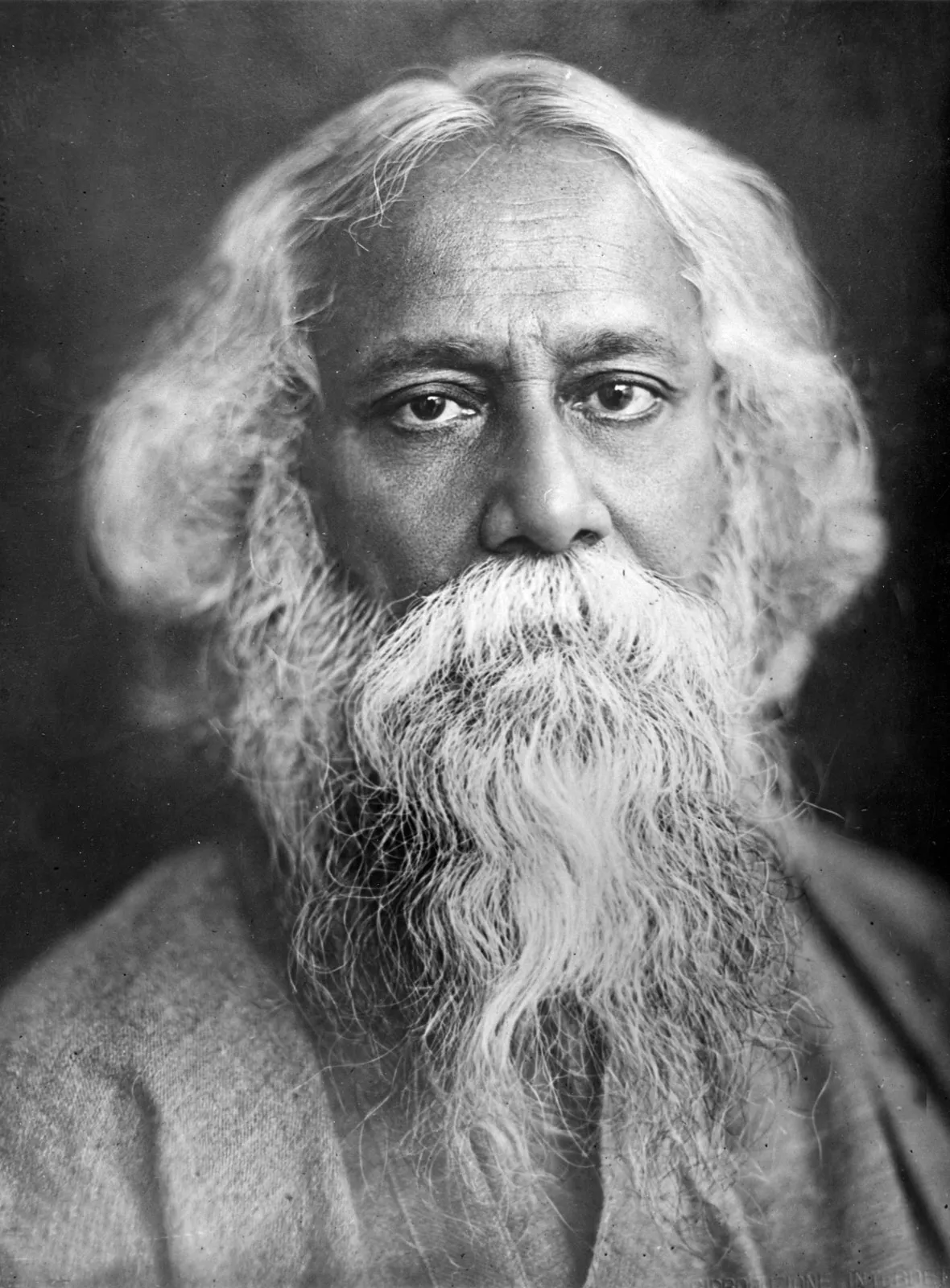
Rabindranath Tagore's poignant reflection, "Let life be beautiful like summer flowers and death like autumn leaves," invites us to embrace the duality of existence with grace and acceptance. In this quote, Tagore juxtaposes the vibrancy of life with the inevitability of death, suggesting that both are integral to the human experience. This perspective matters profoundly in a world often preoccupied with the fear of mortality and the pursuit of beauty, urging us to find harmony in the transient nature of life.
By likening life to summer flowers, Tagore evokes images of color, fragrance, and vitality, while autumn leaves symbolize the natural cycle of decay and renewal. This duality encourages us to appreciate the beauty of life in its fullness, while also recognizing that death is not an end but a transformation. In a society that often shies away from discussions of mortality, Tagore's words serve as a gentle reminder to honor both life and death, fostering a deeper understanding of our place within the natural world.
The image / the metaphor
The imagery in Tagore's quote is rich and evocative. Summer flowers, in their full bloom, represent the peak of life’s vibrancy, a time when everything feels alive and bursting with potential. The choice of the word "beautiful" emphasizes the aesthetic and emotional resonance of life, suggesting that we should savor every moment of joy and beauty that it offers. In contrast, autumn leaves, with their inevitable fall, evoke a sense of melancholy yet also a profound acceptance of the cycle of life. The verbs "let" and "be" imply a gentle invitation to allow these experiences to unfold naturally, without resistance.
Diving deeper into the metaphor, we can see that summer flowers symbolize not just beauty but also the fleeting nature of joy. They remind us that life, in all its splendor, is temporary and should be cherished. Autumn leaves, on the other hand, embody the wisdom of letting go. They teach us that death, while often viewed with fear, can be a beautiful release, a necessary part of the cycle that allows for new growth and renewal. This interplay between life and death invites us to cultivate a sense of gratitude for both, recognizing that each moment is precious.
In the speaker's tradition
Rabindranath Tagore's insights are deeply rooted in the Hindu tradition, which often emphasizes the interconnectedness of life and death. Concepts such as dharma, the moral order of the universe, and the cyclical nature of existence resonate with Tagore's reflections. In Hindu philosophy, life is seen as a journey of the soul, where each experience contributes to spiritual growth. The acceptance of death as a natural part of this journey aligns with the idea of *samsara*, the cycle of birth, death, and rebirth, encouraging us to embrace life fully while preparing for its inevitable conclusion.
Tagore's thoughts echo the teachings found in the *Bhagavad Gita*, where Lord Krishna speaks of the eternal nature of the soul, emphasizing that death is merely a transition. This perspective invites us to view life and death not as opposing forces but as complementary aspects of existence. By understanding that the essence of who we are transcends physical form, we can approach both life and death with a sense of peace and acceptance, much like the summer flowers and autumn leaves that Tagore so beautifully describes.
Living the teaching
Consider a modern scenario where this teaching resonates: a friend or family member is diagnosed with a terminal illness. In such moments, the beauty of life becomes starkly apparent as we witness the vibrancy of their spirit, even amidst the shadows of impending loss. This situation compels us to cherish every shared laugh, every heartfelt conversation, and every fleeting moment together. Tagore's metaphor encourages us to celebrate life in its fullness, recognizing that even in the face of death, there is beauty to be found in love, connection, and shared experiences.
In another application, think about a difficult moment in a relationship, perhaps a breakup or a falling out with a loved one. The pain of separation can feel overwhelming, yet Tagore's words remind us that just as autumn leaves fall, relationships can also change and evolve. This teaching encourages us to honor the beauty that once was, while also accepting the necessity of letting go. By embracing the impermanence of our connections, we open ourselves to new possibilities and growth, allowing life to continue its beautiful unfolding.
A reflection
As we contemplate Tagore's profound words, we are invited to reflect on our own relationship with beauty and mortality. How can we cultivate a deeper appreciation for the transient moments of joy in our lives, while also embracing the inevitability of change and loss? In what ways can we honor both life and death, allowing them to coexist harmoniously within our hearts? This contemplation can lead us to a richer understanding of our existence and a more profound connection to the world around us.




Join the BrightStar Community
Stay connected with daily inspiration, event announcements, and community wisdom