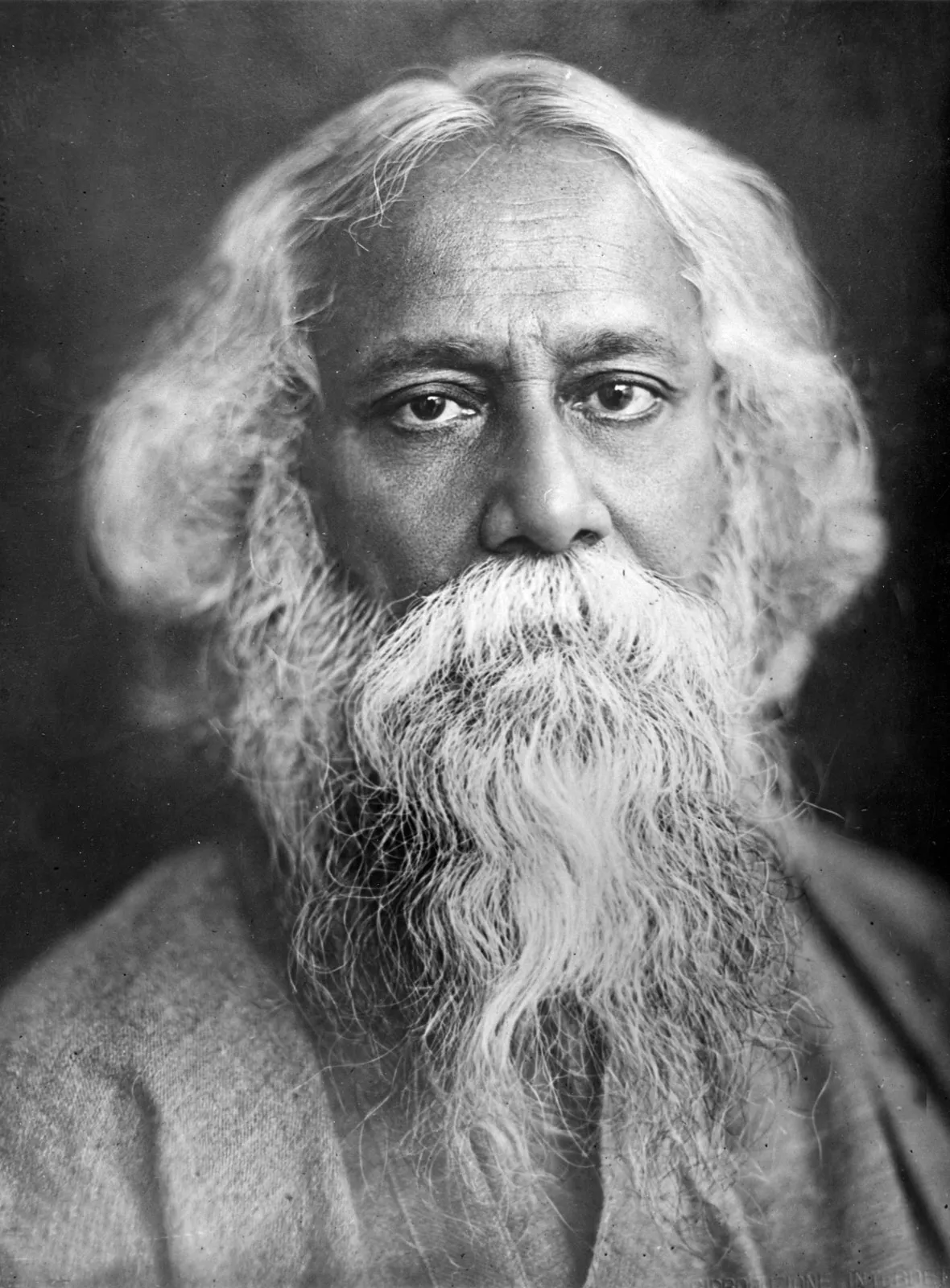
The Solitude Beneath the Noise
Rabindranath Tagore's poignant observation, "Man goes into the noisy crowd to drown his own clamour of silence," invites us to reflect on the paradox of human existence. In our quest for connection and distraction, we often seek the cacophony of the external world to escape the profound silence within. This quote speaks to the universal struggle of balancing our inner lives with the demands of society, highlighting the tension between solitude and the noise of communal life. It compels us to consider the implications of our choices and the deeper truths that lie beneath the surface of our daily interactions.
In a world that often equates busyness with productivity and noise with engagement, Tagore's words resonate with a timeless wisdom. They challenge us to confront the uncomfortable silence that resides within, a silence that can be both a source of fear and a wellspring of insight. The act of immersing oneself in the crowd may provide temporary relief from this inner clamour, yet it ultimately leads to a disconnection from our true selves. This contemplation invites us to explore the nature of silence, solitude, and the inner life, urging us to seek a more authentic existence.
The image / the metaphor
Tagore's imagery evokes a vivid scene: an individual stepping into a bustling crowd, surrounded by the sounds of life yet feeling an overwhelming sense of isolation. The choice of the verb "drown" suggests a desperate attempt to submerge one's inner turmoil beneath the surface noise of the world. This metaphor captures the essence of our human experience, where the external environment often serves as a refuge from the complexities of our inner thoughts and emotions. The contrast between the "noisy crowd" and the "clamour of silence" emphasizes the struggle between external distractions and internal truths.
Delving deeper into this metaphor, we can see how it reflects the broader human condition. The crowd symbolizes societal expectations and the relentless pace of modern life, while the silence represents the often-ignored depths of our consciousness. In seeking to drown out our inner clamour, we may inadvertently silence our intuition, creativity, and authentic self. Tagore's words remind us that while the crowd may offer temporary solace, true peace and understanding can only be found by embracing the silence within.
In the speaker's tradition
Rabindranath Tagore's insights are deeply rooted in the Hindu tradition, which places significant emphasis on the concepts of dharma, self-realization, and the interplay between the individual and the cosmos. In this context, the notion of silence can be linked to the idea of "sunyata," or emptiness, which invites individuals to explore the depths of their being beyond the distractions of the material world. Tagore's perspective aligns with the spiritual journey of "kenosis," the act of self-emptying to make space for deeper understanding and connection with the divine.
Moreover, Tagore's reflections resonate with the teachings found in the Upanishads, where the quest for self-knowledge often leads to moments of profound silence and introspection. The Upanishads emphasize the importance of turning inward to discover the true self, or "Atman," which is often obscured by the noise of external influences. In this light, Tagore's quote serves as a reminder that the path to enlightenment requires us to confront our inner clamour and embrace the silence that allows for genuine self-discovery.
Living the teaching
Consider a modern scenario where this teaching finds relevance: a busy professional navigating the demands of work and social obligations. In the midst of meetings, deadlines, and constant notifications, one might feel compelled to join the noisy crowd, seeking validation and connection. Yet, in doing so, they may overlook the importance of carving out moments of solitude to reflect and reconnect with their inner self. This teaching encourages individuals to recognize that true fulfillment lies not in the external noise but in the quiet moments of introspection that allow for personal growth and clarity.
Another application of Tagore's wisdom can be found in relationships, particularly during conflicts or misunderstandings. In the heat of an argument, one may be tempted to raise their voice or seek the approval of others, drowning out their own inner voice. However, embracing silence in such moments can lead to deeper understanding and resolution. By taking a step back and allowing space for contemplation, individuals can access their true feelings and respond with empathy rather than reaction, fostering healthier connections and a more profound sense of peace.
A reflection
As we contemplate Tagore's profound insight, we are invited to ask ourselves: What is the clamour of silence within me, and how can I create space to listen to it? This question encourages us to explore the layers of our inner lives, recognizing the importance of silence as a pathway to self-awareness and authenticity. In a world that often prioritizes noise and distraction, may we find the courage to embrace our solitude and discover the wisdom that lies within.




Join the BrightStar Community
Stay connected with daily inspiration, event announcements, and community wisdom