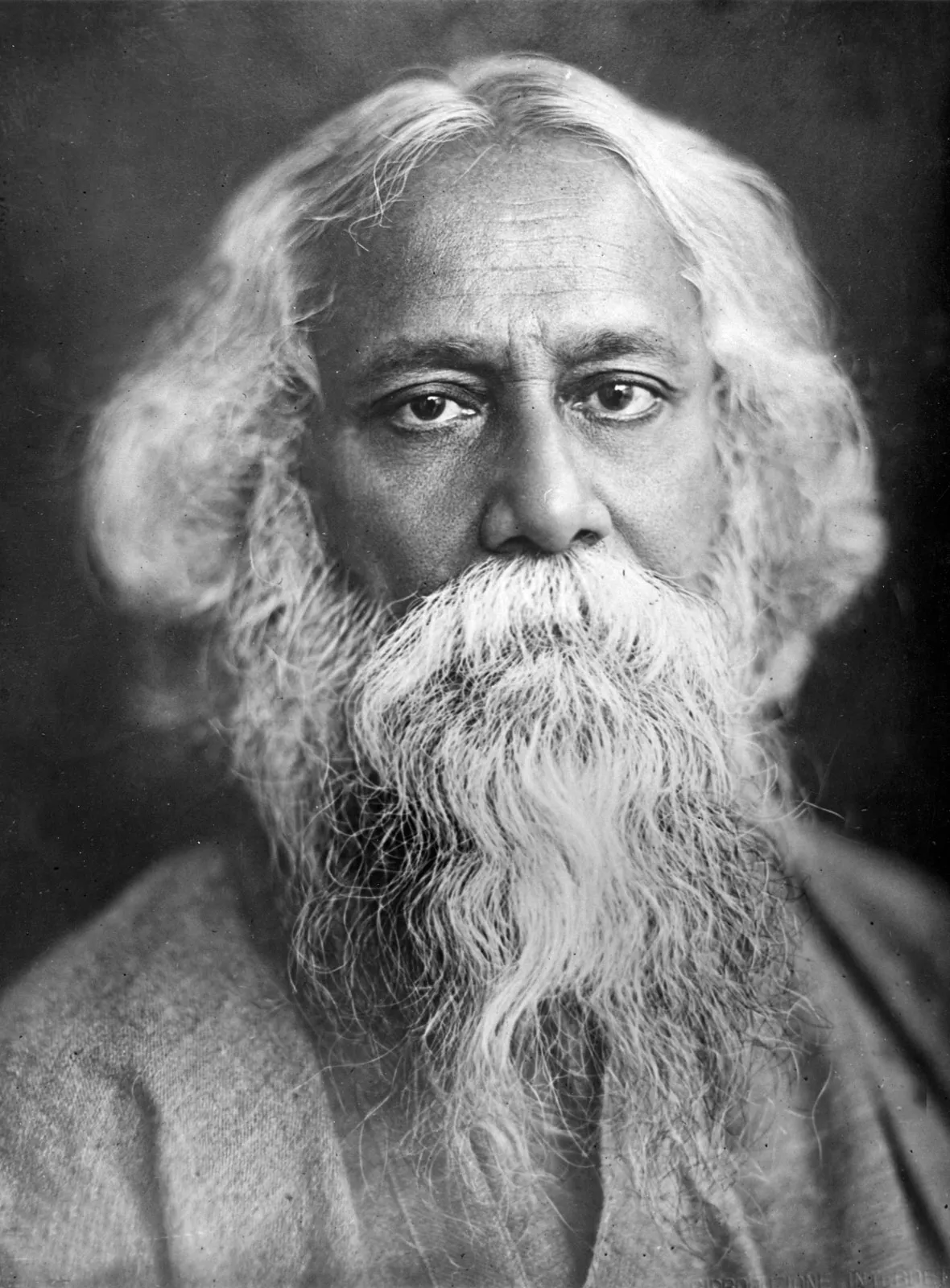
Awakening the Hidden Stars Within
Rabindranath Tagore invites us to explore the depths of our being with the profound assertion, "Reach high, for stars lie hidden in your soul. Dream deep, for every dream precedes the goal." This quote beckons us to recognize the latent potential within ourselves, urging us to aspire towards our highest ideals while simultaneously nurturing the dreams that serve as the foundation for our aspirations. In a world often clouded by doubt and distraction, Tagore's words remind us of the importance of both ambition and introspection in our spiritual journey.
In this exploration, we are called not just to reach for external achievements but to delve into the inner landscape of our souls. The duality of reaching high and dreaming deep suggests a harmonious balance between aspiration and reflection. It is a reminder that our dreams are not mere fantasies; they are the seeds of our future realities, waiting to be nurtured and brought to fruition. Tagore's wisdom resonates deeply in our contemporary lives, where the pursuit of success often overshadows the essential practice of self-discovery.
The image / the metaphor
The imagery in Tagore's quote is rich and evocative. The phrase "reach high" conjures a sense of upward movement, a striving towards something greater than ourselves, while "stars lie hidden in your soul" suggests that within each individual exists a reservoir of untapped potential and brilliance. The verbs chosen—"reach" and "dream"—imply an active engagement with our inner selves, encouraging us to stretch beyond our perceived limitations. This felt sense of aspiration is not merely about achieving external goals but about uncovering the profound truths that reside within us.
Diving deeper into the metaphor, we can see that the "stars" symbolize our highest aspirations, the unique gifts and talents that each of us possesses. They are not always visible; they may be obscured by self-doubt, societal expectations, or fear of failure. The act of dreaming deep serves as a reminder that every significant achievement begins as a dream, a vision that requires nurturing and commitment. Tagore's words invite us to embark on a journey of self-exploration, where we can illuminate the hidden stars within and allow them to guide our path.
In the speaker's tradition
Rabindranath Tagore's teachings are deeply rooted in the Hindu tradition, which emphasizes the interconnectedness of all beings and the pursuit of dharma, or one's rightful path. The notion of aspiration in Tagore's quote aligns with the concept of bhakti, the devotion to a higher purpose or divine presence. In this context, reaching high can be seen as an expression of our innate desire to connect with the divine, while dreaming deep reflects the understanding that our personal aspirations must be aligned with our spiritual truths.
Furthermore, Tagore's emphasis on dreams as precursors to goals resonates with the teachings found in the Upanishads, where the exploration of the self leads to the realization of ultimate truth. In texts such as the Chandogya Upanishad, we find the idea that the universe is a reflection of the inner self, suggesting that our dreams and aspirations are not separate from the divine cosmos but rather integral to it. This interconnectedness reinforces the importance of nurturing our inner visions as we strive to manifest our highest potential.
Living the teaching
Consider a modern scenario where an individual feels trapped in a monotonous job, yearning for a more fulfilling career. Tagore's teaching encourages this person to reach high by envisioning their ideal professional life, perhaps as an artist, a teacher, or an entrepreneur. By dreaming deep, they can explore the passions and talents that lie dormant within, allowing these dreams to inform their next steps. This process may involve taking small, courageous actions—such as enrolling in a course or dedicating time to a creative project—that align with their aspirations, ultimately leading them toward a more authentic existence.
A reflection
As we contemplate Tagore's profound words, we are invited to ask ourselves: What hidden stars lie within my soul, and how can I nurture my dreams to manifest my highest potential? This question encourages a deep introspection, prompting us to explore the aspirations that resonate with our true selves. In this reflective space, we can begin to discern the dreams that call to us, guiding us toward a life imbued with purpose and authenticity.




Join the BrightStar Community
Stay connected with daily inspiration, event announcements, and community wisdom