The Embrace of Night: A Dance of Death and Rebirth
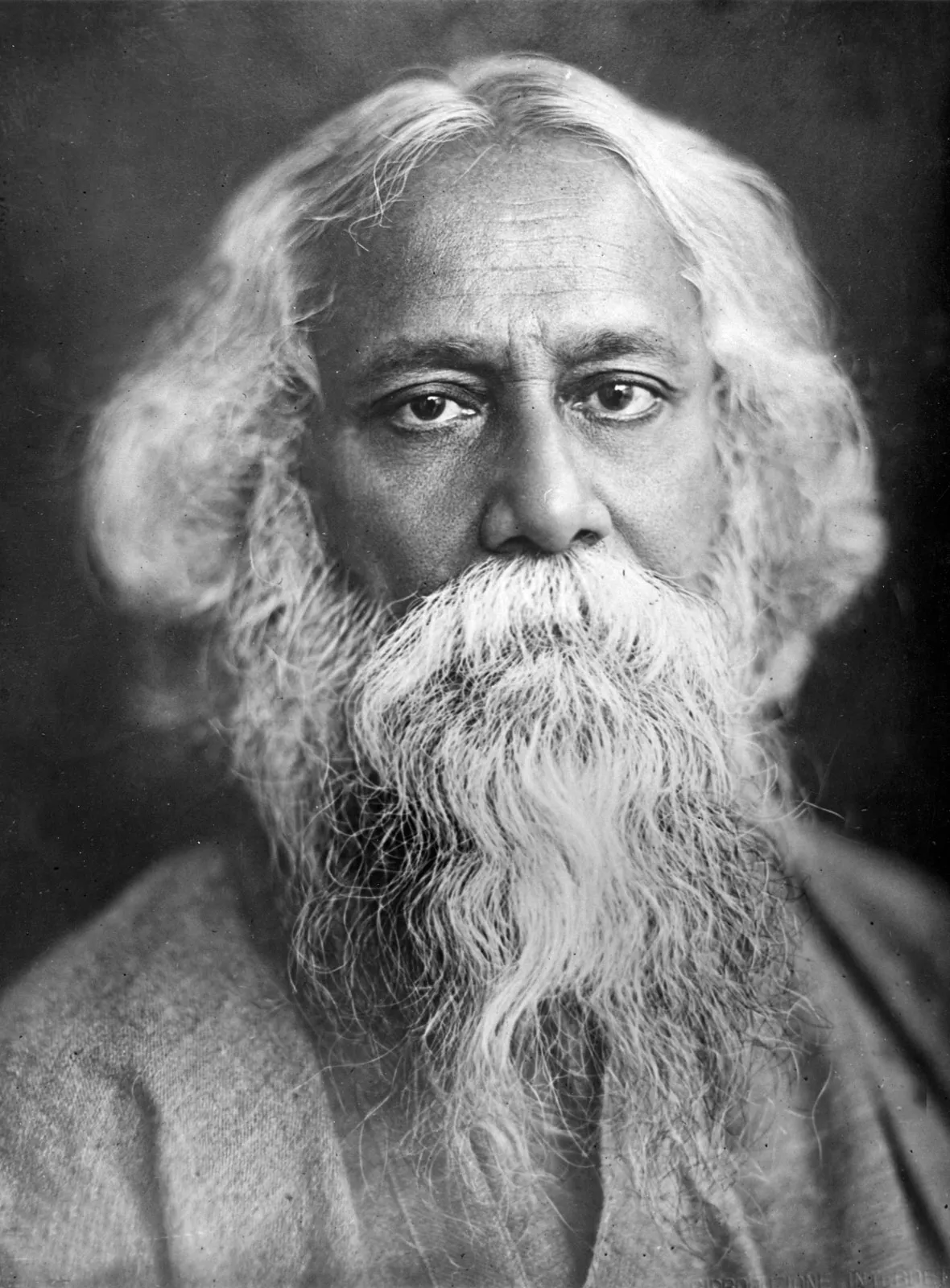
In the evocative words of Rabindranath Tagore, "The night kisses the fading day whispering to his ear, 'I am death, your mother. I am to give you fresh birth.'" This profound statement encapsulates the cyclical nature of existence, where death is not an end but a transformative passage into new beginnings. The imagery of night tenderly embracing the day suggests a nurturing relationship between the two, inviting us to reconsider our perceptions of mortality and renewal. In a world often preoccupied with the fear of death, Tagore's words remind us of the inherent beauty in the cycles of life.
Tagore's poetic vision invites us to explore the depths of our own experiences with endings and new beginnings. The metaphor of night as a maternal figure speaks to the intimate connection we have with the natural rhythms of life. As the day fades, we are reminded that every conclusion carries the seeds of a fresh start, urging us to embrace the darkness not as something to fear, but as a necessary part of our journey. This perspective is vital in a culture that often seeks to avoid the uncomfortable truths of existence, prompting us to reflect on how we can find solace and strength in the cycles of life.
The image / the metaphor
The imagery in Tagore's quote is rich and layered, evoking a sense of intimacy and tenderness. The act of night kissing the fading day suggests a gentle farewell, a softening of the harshness often associated with endings. The verbs chosen—"kisses" and "whispering"—convey a sense of warmth and affection, transforming the concept of death from something fearsome into a loving embrace. This personification of night as a nurturing mother emphasizes the idea that death is not merely an absence but a presence that cradles us into new life.
Diving deeper into the metaphor, we can see that night represents the unknown, the unconscious, and the fertile ground from which new life emerges. In many cultures, night has been associated with mystery and potential, a time when the seeds of creativity and transformation can take root. By framing death as a mother, Tagore invites us to consider the nurturing aspects of endings; just as a mother prepares her child for the world, death prepares us for rebirth. This perspective encourages us to embrace our fears and uncertainties, recognizing them as integral to our growth and evolution.
In the speaker's tradition
Rabindranath Tagore's insights are deeply rooted in the Hindu tradition, which embraces the concepts of dharma, karma, and the cyclical nature of existence. In Hindu philosophy, death is not viewed as a finality but as a transition within the larger framework of samsara, the cycle of birth, death, and rebirth. This understanding aligns with the idea of kenosis, or self-emptying, where one must let go of the old to make way for the new. Tagore's portrayal of night as a maternal force resonates with the Hindu belief in the divine feminine, which nurtures and sustains life through its cycles.
In the Bhagavad Gita, Krishna speaks of the eternal nature of the soul, emphasizing that death is merely a change of form rather than an end. This aligns beautifully with Tagore's assertion that death is a mother, offering fresh birth. The Gita teaches us to view life and death as interconnected, urging us to act with awareness and compassion in our journey. By situating Tagore's quote within this rich philosophical context, we can appreciate the depth of his message and its resonance with the timeless wisdom of Hindu thought.
Living the teaching
Consider a modern scenario where this teaching might resonate: a person facing the end of a significant chapter in their life, such as a job loss or the end of a relationship. Initially, this experience may feel like a devastating loss, shrouded in darkness and uncertainty. However, by embracing the perspective offered by Tagore, one can begin to see this ending as an opportunity for rebirth. The space created by this loss can lead to new possibilities, allowing for personal growth and the exploration of new paths that may have previously been obscured.
In another context, think about a difficult moment in a relationship, where communication has broken down and feelings of resentment linger. Here, the teaching of Tagore can inspire individuals to approach the situation with a mindset of renewal. By acknowledging the 'death' of the old patterns of interaction, both partners can work towards a rebirth of their connection, fostering deeper understanding and compassion. This process requires vulnerability and openness, but it ultimately leads to a more authentic and fulfilling relationship, illustrating the transformative power of embracing endings as a precursor to new beginnings.
A reflection
As we contemplate Tagore's profound words, we are invited to reflect on our own experiences with death and rebirth. What aspects of your life are calling for transformation? In what ways can you embrace the darkness of endings as a fertile ground for new beginnings? Allow these questions to guide your introspection, leading you to a deeper understanding of the cycles that shape your existence and the beauty that can emerge from embracing the full spectrum of life.




Join the BrightStar Community
Stay connected with daily inspiration, event announcements, and community wisdom