The Dance of Life: Unity in Rhythm
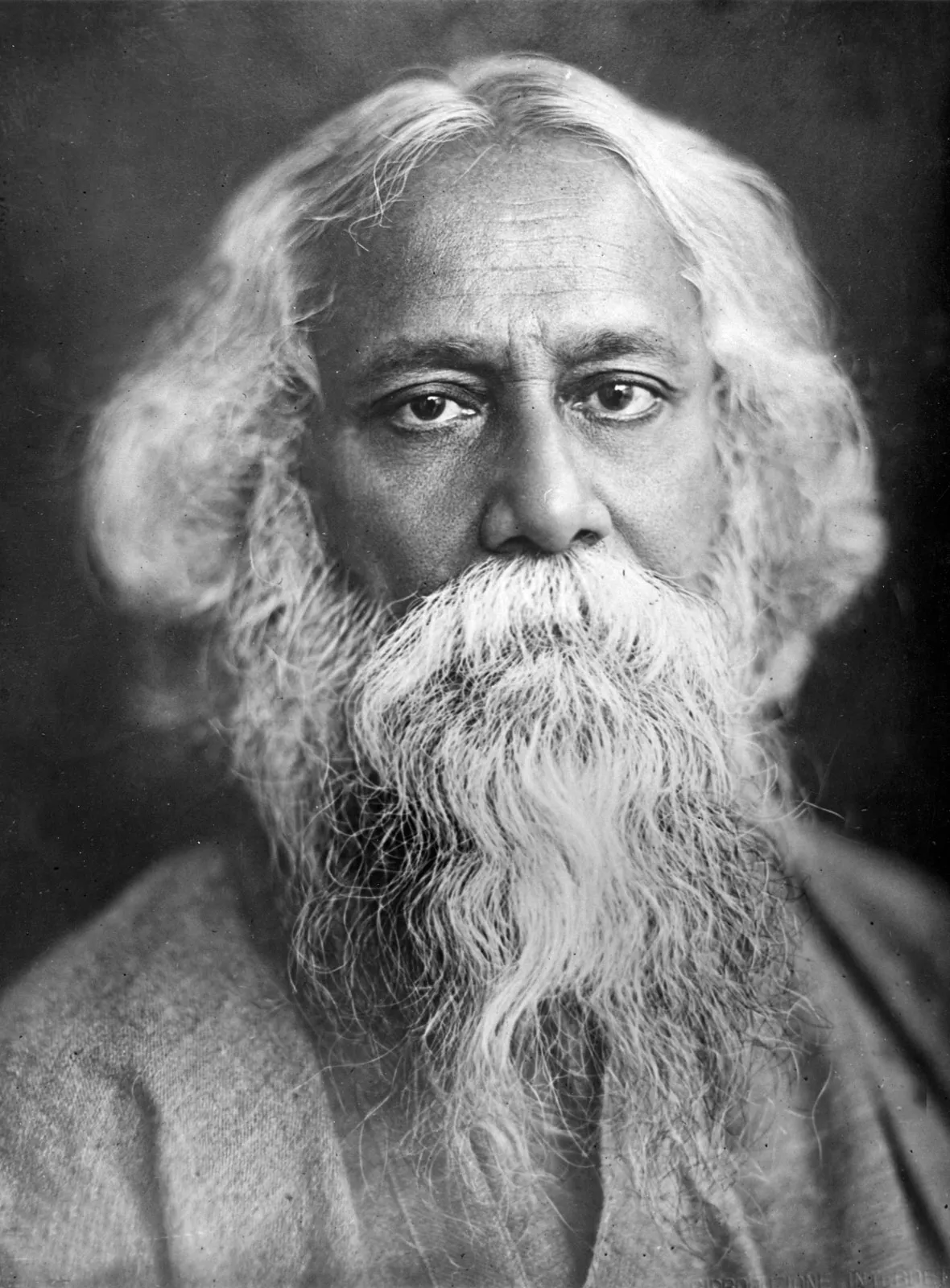
Rabindranath Tagore's poignant reflection, "The same stream of life that runs through my veins night and day runs through the world and dances in rhythmic measures," invites us to contemplate the profound interconnectedness of all existence. In this statement, Tagore emphasizes that the essence of life is not merely an individual experience but a universal phenomenon that binds us all. This realization is crucial in a world often marked by division and isolation, reminding us that our individual lives are part of a larger, harmonious whole.
As we delve deeper into Tagore's words, we uncover layers of meaning that resonate with the human experience. The imagery of a "stream of life" suggests a continuous flow, a dynamic energy that courses through every being and element in the universe. This rhythm, described as a dance, evokes a sense of joy and celebration, urging us to recognize the beauty in our shared existence. Understanding this unity can transform our perspective, fostering compassion and empathy as we navigate our lives.
The image / the metaphor
Tagore's use of the metaphor of a "stream" conjures images of fluidity and movement, suggesting that life is not static but rather a vibrant, ever-changing force. The choice of the word "dances" adds a layer of grace and spontaneity, implying that life is not merely to be endured but celebrated. This dance is rhythmic, indicating that there is a natural order and timing to existence, a pulse that we can attune ourselves to if we are willing to listen.
Diving deeper into the metaphor, we can see that the stream represents both the individual and the collective experience of life. Just as a stream nourishes the land it flows through, our lives are enriched by the connections we forge with others. The rhythmic measures of this dance suggest that while each of us has our unique steps, we are all part of a larger choreography, moving together in harmony. This interconnectedness is a reminder that our joys and sorrows are shared, inviting us to embrace a more holistic view of our existence.
In the speaker's tradition
Tagore's insights are deeply rooted in the Hindu tradition, which emphasizes the interconnectedness of all beings through concepts such as *dharma* and *bhakti*. *Dharma* refers to the moral order of the universe, suggesting that each individual has a role to play in the greater tapestry of life. In this context, Tagore's quote can be seen as an invitation to recognize our responsibilities to one another and to the world around us, fostering a sense of unity that transcends individual concerns.
Moreover, the notion of *kenosis*, or self-emptying, resonates with Tagore's perspective. By allowing ourselves to be filled with the life force that flows through us and connects us to others, we can experience a profound sense of belonging. In the *Bhagavad Gita*, a text that explores the nature of duty and devotion, we find echoes of Tagore's message as Krishna encourages Arjuna to see beyond his individual struggles and recognize his place within the cosmic order. This alignment with the greater whole is essential for spiritual growth and fulfillment.
Living the teaching
Consider a modern scenario where this teaching might resonate: a bustling city street filled with people rushing to their destinations. In this environment, it is easy to feel isolated, lost in the crowd. However, if we take a moment to pause and reflect on Tagore's words, we can begin to see the shared humanity in those around us. Each person, like us, is a vessel of the same life force, navigating their own joys and challenges. This awareness can transform our interactions, encouraging us to approach others with kindness and understanding.
In a more intimate context, think about a relationship that has become strained. When we recognize that the same stream of life flows through both ourselves and our loved ones, we can cultivate empathy and compassion. Instead of viewing conflicts as personal battles, we can see them as opportunities for growth and connection. By embracing the rhythm of our shared existence, we can navigate difficult moments with grace, fostering deeper bonds and understanding.
A reflection
As we reflect on Tagore's profound insight, we might ask ourselves: How can I cultivate a deeper awareness of the interconnectedness of all life in my daily experiences? This question invites us to explore the ways in which we can embody the rhythm of unity in our thoughts, actions, and relationships. By engaging with this inquiry, we open ourselves to a richer, more compassionate existence, allowing the dance of life to flow through us and connect us to the world around us.




Join the BrightStar Community
Stay connected with daily inspiration, event announcements, and community wisdom