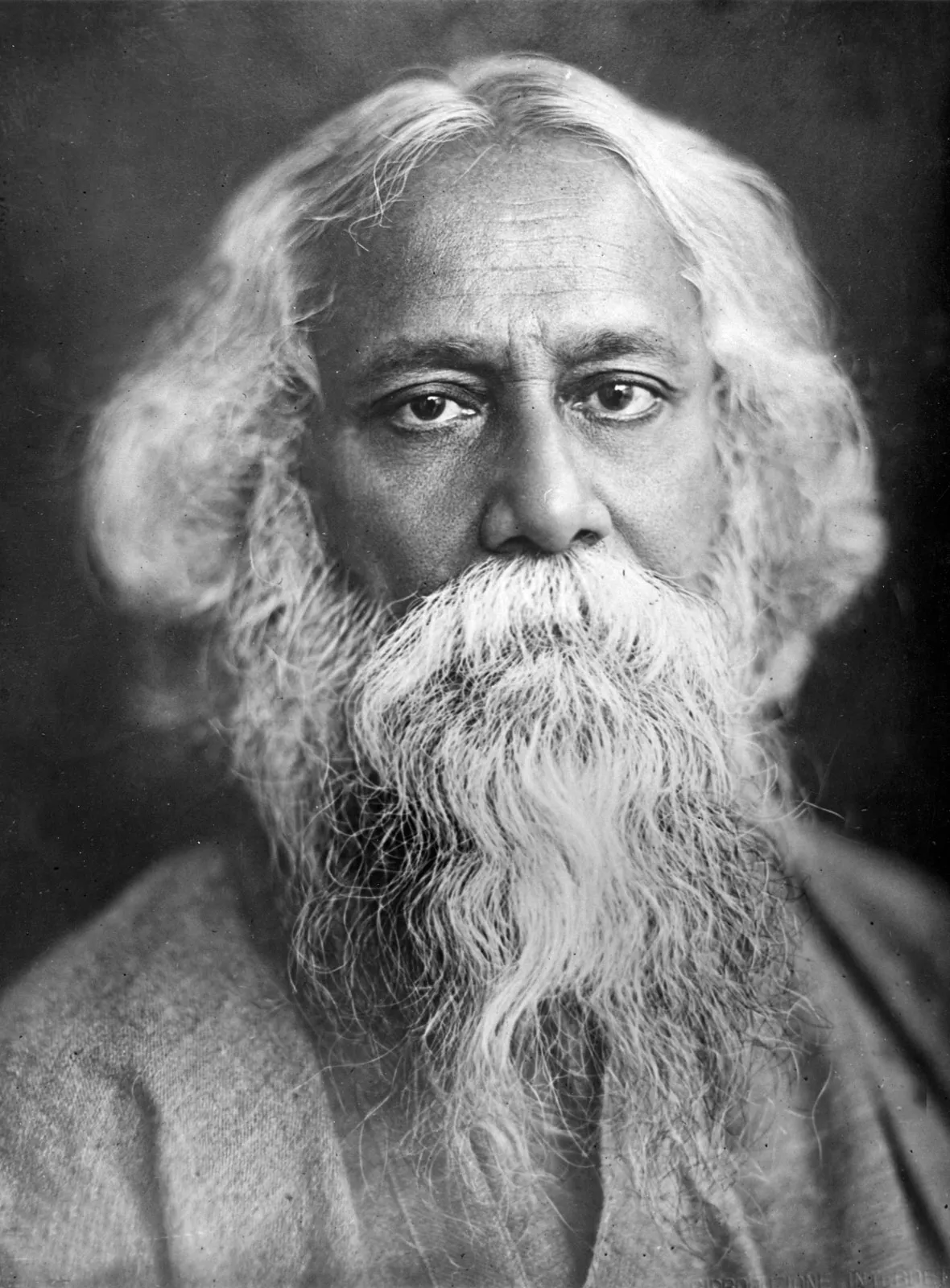
Finding Freedom in the Uncharted
Rabindranath Tagore's poignant assertion, "Where roads are made I lose my way," invites us to reflect on the tension between societal structures and personal exploration. In a world that often prioritizes established paths and predictable outcomes, Tagore's words resonate as a call to embrace the unknown. This sentiment speaks to the heart of our spiritual journey, where true freedom and authenticity often lie beyond the confines of convention. It challenges us to reconsider what it means to seek fulfillment in a landscape shaped by external expectations.
Delving deeper, Tagore's quote suggests that the very act of following well-trodden paths can lead to a sense of disorientation. The roads symbolize societal norms, traditions, and the expectations that come with them. When we adhere too closely to these prescribed routes, we may find ourselves estranged from our true selves, losing sight of our unique purpose. This loss is not merely a physical disorientation but a spiritual one, urging us to seek our own way in a world that often discourages deviation from the norm.
The image / the metaphor
The imagery in Tagore's quote evokes a vivid landscape where roads represent the familiar and the known. The act of losing one's way suggests a disconnection from the external markers that guide many through life. Roads are often seen as symbols of progress and direction, yet Tagore flips this notion, implying that these very constructs can inhibit genuine exploration. The verbs "made" and "lose" carry weight; they suggest a deliberate construction of paths that may not align with our inner truth, leading to a profound sense of dislocation.
Going deeper into the metaphor, we can see that roads signify not only societal expectations but also the limitations we impose on ourselves. When we confine our journey to these established routes, we risk missing the richness of life that exists in the uncharted territories of our hearts and minds. Tagore's words invite us to embrace the wilderness of our existence, where the absence of roads can lead to unexpected discoveries and a deeper understanding of our true nature. In this wilderness, we may find the freedom to explore our authentic selves, unencumbered by the weight of external validation.
In the speaker's tradition
Tagore's insights are deeply rooted in the Hindu tradition, which emphasizes the importance of individual dharma—the unique path each person must follow. In this context, the idea of losing one's way can be seen as a necessary step toward discovering one's true purpose. Concepts such as kenosis, or self-emptying, resonate here, suggesting that to truly find oneself, one must sometimes relinquish the familiar and embrace the void. This journey into the unknown is not merely a personal endeavor but a spiritual quest that aligns with the broader principles of self-realization found in Hindu philosophy.
Furthermore, Tagore's emphasis on the uncharted aligns with the notion of sunyata, or emptiness, which invites us to let go of preconceived notions and attachments. In texts such as the Bhagavad Gita, we find the call to act without attachment to the fruits of our actions, echoing Tagore's sentiment that true fulfillment lies beyond the roads we construct. The Gita teaches that by surrendering our need for control and certainty, we can navigate the complexities of life with grace and authenticity, ultimately leading us to our true path.
Living the teaching
Consider a modern scenario where this teaching resonates: an individual at a crossroads in their career, feeling pressured to follow a conventional path that society deems successful. The allure of stability and recognition can be strong, yet this person may feel a nagging sense of discontent, as if they are losing themselves in the pursuit of external validation. By embracing Tagore's wisdom, they might choose to step off the well-worn path, exploring alternative avenues that align more closely with their passions and values. This act of courage can lead to a more authentic and fulfilling life, even if it initially feels disorienting.
In the realm of relationships, Tagore's teaching can also find profound application. Imagine a partnership where one person feels constrained by the expectations of their role, leading to a sense of losing their individuality. By acknowledging the need for personal exploration and growth, both partners can create a space that honors their unique journeys. This may involve difficult conversations and a willingness to embrace uncertainty, but ultimately, it can lead to a deeper connection rooted in mutual respect and understanding. In this way, Tagore's insight becomes a guiding principle for navigating the complexities of human relationships.
A reflection
As we contemplate Tagore's evocative words, we are invited to reflect on our own lives: In what areas do we find ourselves adhering to established roads, and how might we embrace the wilderness of our own journeys? This question encourages us to examine the ways in which societal expectations shape our choices and to consider the possibilities that lie beyond the familiar. By daring to lose our way, we may uncover paths that lead to deeper fulfillment and a more authentic existence.




Join the BrightStar Community
Stay connected with daily inspiration, event announcements, and community wisdom